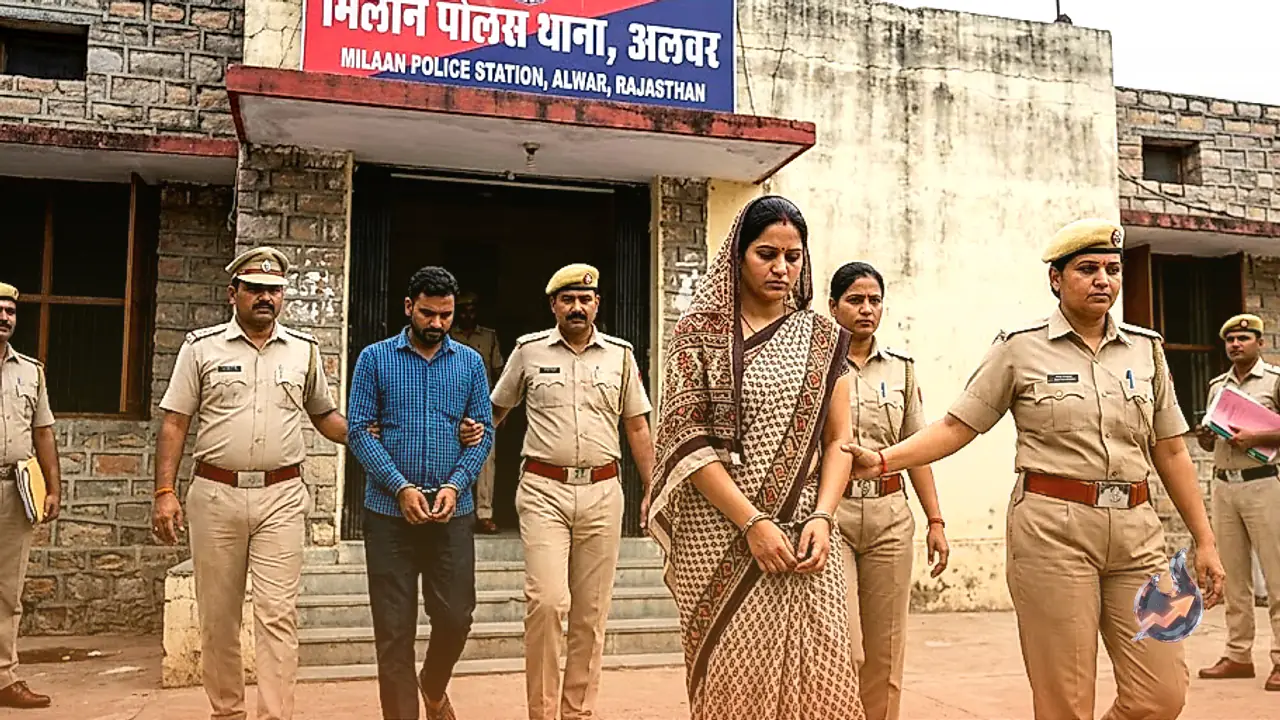



















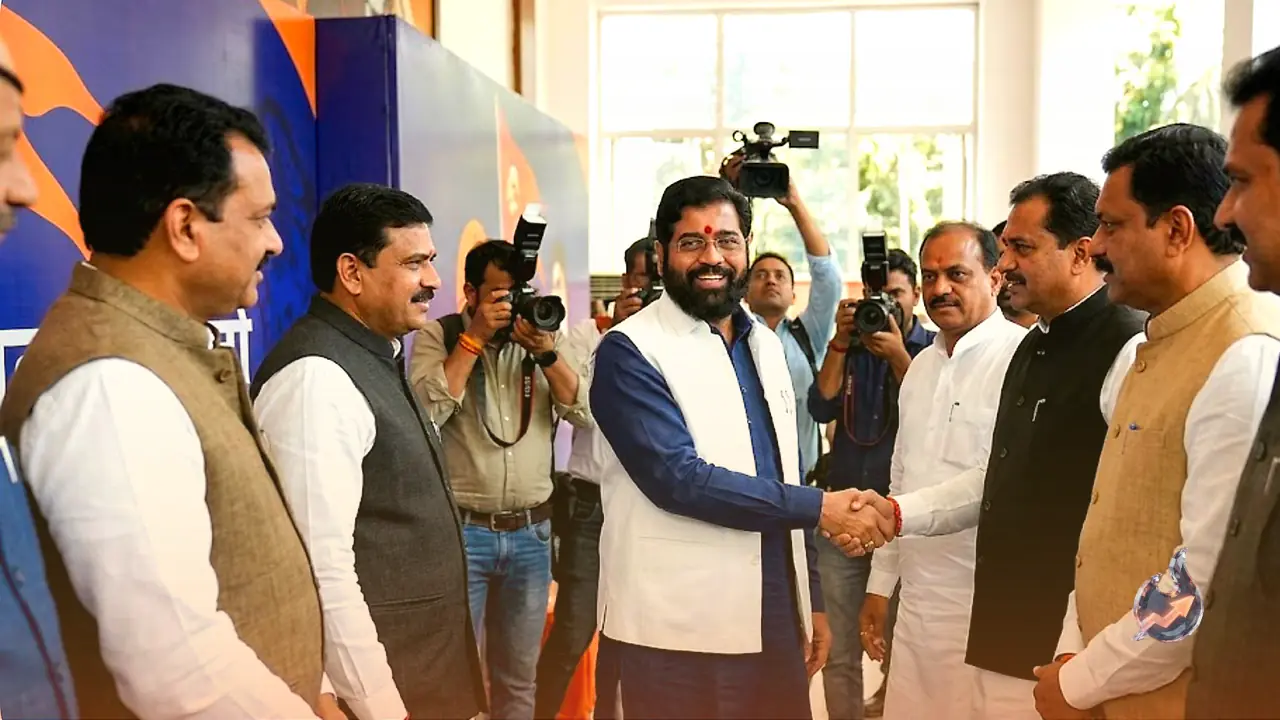

Maharashtra politics has been hit by another significant defection. Six Lok Sabha MPs from Uddhav Thackeray's Shiv Sena (UBT) have switched camps, joining Deputy Chief Minister Eknath Shinde's Shiv Sena. This was no overnight decision. The groundwork for this split was laid over a period of time, and it all traces back to a dinner in Delhi that set off a slow but consequential chain of events inside UBT.
A Delhi Dinner That Set Everything in Motion
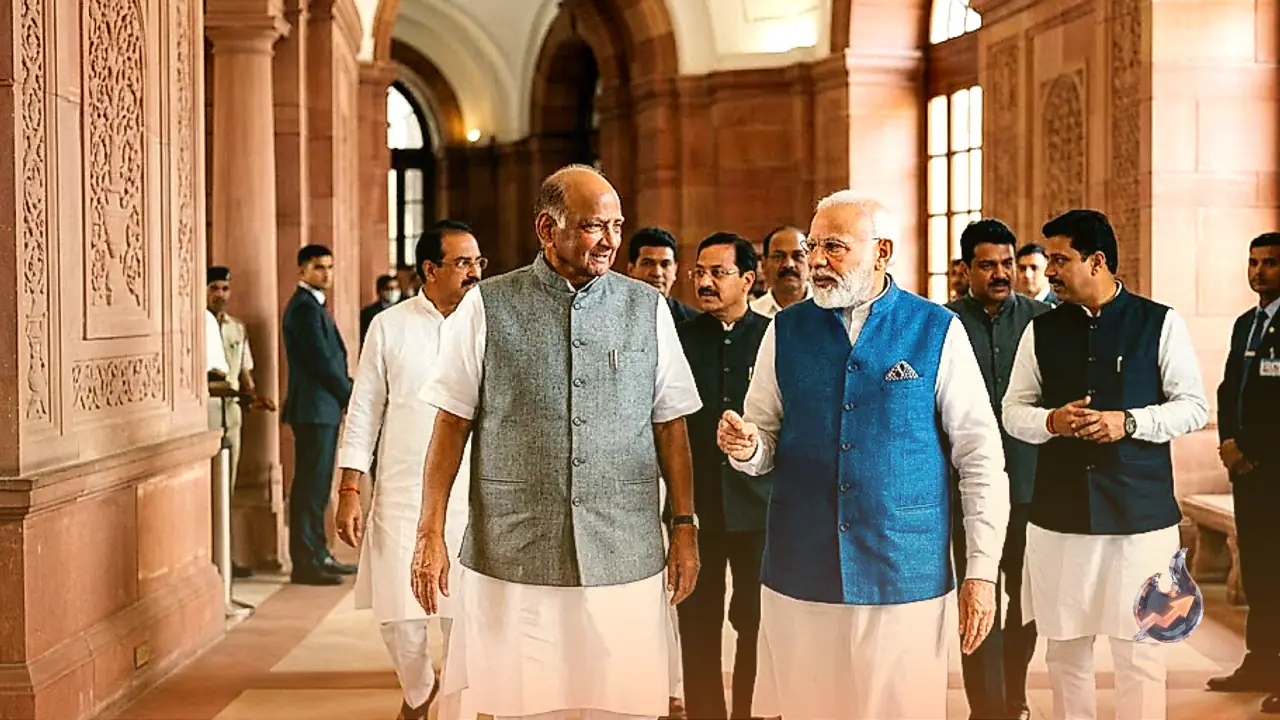
Union Minister Prataprao Jadhav had organized a dinner in Delhi for all Maharashtra MPs. Legislators from several parties attended, including a number of UBT MPs. Political observers note that it was after this gathering that things began to deteriorate rapidly within UBT, eventually resulting in six of its MPs walking out.
Aditya Thackeray's Reprimand: The Point of No Return
When the UBT MPs who attended the dinner returned to the fold, they were not welcomed but questioned. Aditya Thackeray reportedly called them out sharply and expressed suspicion about their motives and loyalty. For politicians who had devoted themselves to the party, being treated with distrust was a humiliating experience. That internal fracture is widely seen as the moment when quiet discontent turned into open rebellion.
The Real Anger Was at Sanjay Raut, Not Uddhav
Prataprao Jadhav was explicit on this point: the six MPs did not leave primarily because of Uddhav Thackeray. Their deeper frustration was directed at Sanjay Raut's style of functioning and his stream of provocative public statements. Jadhav alleged that Raut's remarks had inflicted repeated damage on the party's reputation, yet the leadership chose to do nothing about it.
Jadhav's Pointed Indictment of Raut
Going a step further, Jadhav accused Raut of having been handed an unchecked free run by the UBT leadership, and said his brand of politics had been steadily hollowing the party out from within. He argued that internal communication and dialogue within UBT have been replaced entirely by pressure and intimidation. This suffocating internal climate, according to Jadhav, drove even committed loyalists to eventually walk away.
Is 'Operation Tiger 3.0' on the Cards?
The larger question now is whether this wave of exits will stop at six MPs or roll further into the MLA ranks. When pressed directly on this, Prataprao Jadhav declined to commit to a clear answer. However, his remarks carried an unmistakable signal: multiple UBT MLAs and local elected representatives are said to be deeply unhappy with the party's current direction.
The Critical Number: 14 MLAs
UBT currently holds 20 seats in the Maharashtra Legislative Assembly. Under the anti-defection law, a split is granted legal protection only when at least two-thirds of a party's legislators break away together. For UBT, that threshold works out to at least 14 MLAs needing to defect simultaneously. If such a development were to occur, Maharashtra's political arithmetic could shift fundamentally.
The 360-Seat Mission and What NDA Claims
Jadhav was also asked whether the steady movement of opposition figures toward NDA is connected to the alliance's reported target of 360 seats, a number seen as critical for passing legislation such as delimitation bills without difficulty. He responded by saying that opposition leaders themselves acknowledge that a development-focused agenda for the country is achievable only under NDA's leadership. He further claimed that many such leaders are voluntarily gravitating toward NDA as they weigh their own political futures.