


















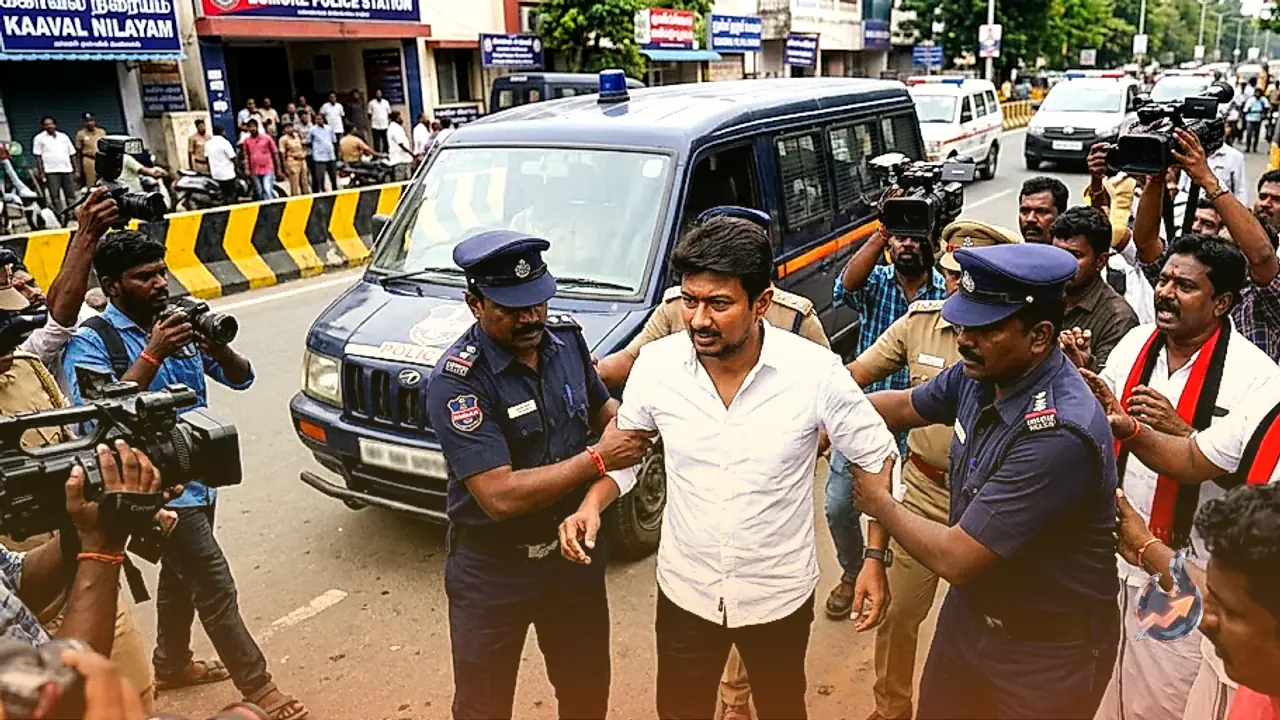

Renowned South Indian actor Trisha Krishnan finds herself at the center of an escalating political storm in Tamil Nadu. Having shared the screen with nearly every top star in South Indian cinema over an expansive career, the actor's name is increasingly making headlines not for movie releases or promotional tours, but in connection with political rallies, public speeches, and criminal police complaints. The latest wave of controversy broke out following a protest rally in Thanjavur regarding the Cauvery river water dispute, where comments made by DMK leader Udhayanidhi Stalin led to his detention by the Chennai police. This legal action has turned a long-standing political rivalry into a high-stakes legal showdown in the state.
From Silver Screen Success to Political Dragnet
The entanglement of Trisha Krishnan in state politics stems primarily from her decade-long professional partnership with actor-turned-politician C. Joseph Vijay, popularly known as Thalapathy Vijay. Over the last twenty years, the duo starred in a series of blockbuster feature films, establishing themselves as one of Tamil cinema's most iconic on-screen pairs. Alongside their box-office success, unverified personal rumors persistently hovered around their relationship, though neither individual ever officially confirmed or validated these claims. However, when Vijay launched his political outfit, TVK, and eventually assumed office as Chief Minister of Tamil Nadu, these rumors crossed over from entertainment tabloids into mainstream political debates. Opposition politicians began leveraging Trisha's name as a rhetorical weapon to launch personal attacks against Vijay.
A Recurring Pattern of Personal Remarks
The recent incident is part of a broader sequence of personal attacks directed at the actor during political campaigns. Earlier this year, senior Tamil Nadu BJP leader Nainar Nagenthiran courted controversy by making explicit personal remarks regarding Vijay's personal life. Nagenthiran publicly stated that prior to entering active politics, Vijay should first step out of Trisha's house. The remark drew widespread condemnation from media commentators and observers, who argued that an actor with no active political position was being unfairly dragged into partisan conflicts. While Trisha herself refrained from addressing the media directly, her legal team issued an official warning, condemning attempts to smear her name in political debates and threatening strict legal action against defamatory statements. Despite this warning, political figures continued using her name while criticizing Chief Minister Vijay's governance and leadership.
The Cauvery Water Protest Controversy
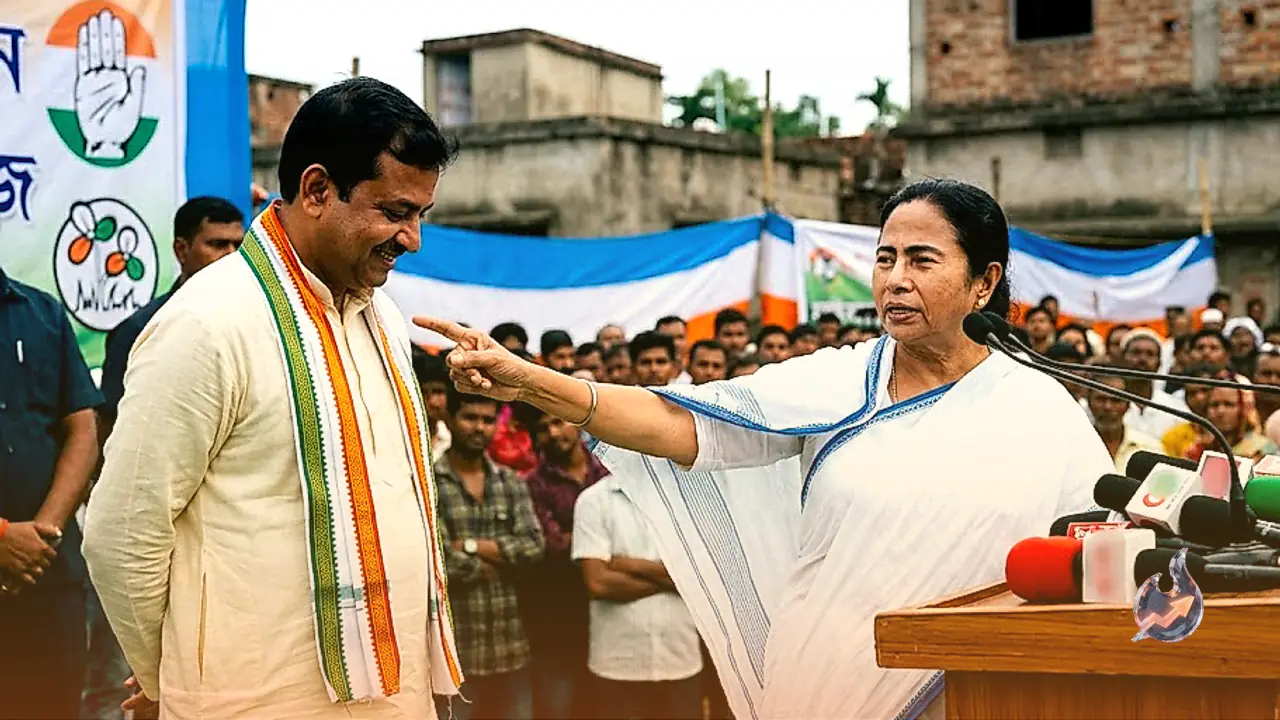
The situation reached a boiling point during a DMK demonstration organized in Thanjavur to address the ongoing Cauvery river water dispute. While addressing party workers, opposition leader Udhayanidhi Stalin launched a fiery critique against Chief Minister Vijay and the ruling TVK administration over their management of the water crisis. Mid-speech, segments of the crowd began chanting Trisha's name. Responding to the audience's chants, Udhayanidhi remarked that regardless of whether water reaches the intended destination or not, it ought to reach that specific place. The ruling TVK interpreted this remark as an explicit, derogatory reference aimed at degrading Trisha's dignity. Consequently, the primary focus of the rally shifted away from the Cauvery water crisis and toward the controversy surrounding the opposition leader's comments about a woman.
Legal Action, Police Complaints, and Public Protests
In response to Udhayanidhi Stalin's remarks, the ruling TVK launched a swift political and legal campaign. TVK members accused the DMK leader of using vulgar language and disrespecting the dignity of women in public spaces. Party workers lodged formal police complaints across several districts, while party leaders approached the National Commission for Women (NCW) seeking federal intervention. Simultaneously, party cadre held protests across Tamil Nadu. The Chennai police subsequently registered a First Information Report (FIR) under statutory provisions relating to outraging the modesty of a woman and other offenses. Although Udhayanidhi Stalin sought anticipatory bail to avoid arrest, Chennai police officers took him into custody, effectively converting a political speech into a criminal proceeding.
Political Divide and Conflicting Standpoints
The DMK has strongly refuted all allegations, describing the arrest as a politically motivated maneuver. DMK representatives asserted that Udhayanidhi's speech was strictly focused on farmers' grievances, the Cauvery river dispute, and the governance record of Chief Minister Vijay's government. The party accused the TVK administration of intentionally misconstruing isolated phrases from the speech to divert attention from administrative failures and using state law enforcement as a tool against political opponents. On the other hand, the BJP supported the police action against Udhayanidhi. BJP IT Cell head Amit Malviya stated that the detention was justified and linked the situation to Udhayanidhi's previous controversial remarks on Sanatana Dharma. Tamil Nadu BJP leaders maintained that the central issue was not freedom of speech, but the fundamental duty to protect the dignity of women in public discourse.