



















Edward Nalwamba, who arrived in the US from Uganda in 2002, has spent years living and working in Colorado. For much of this time, he operated under an order of supervision, a status for individuals with a pending deportation order who cannot be immediately removed. According to his legal counsel, this order was rescinded in September 2025, leading to his subsequent detention. He is now scheduled for deportation this coming Tuesday.
Declining Health in Detention
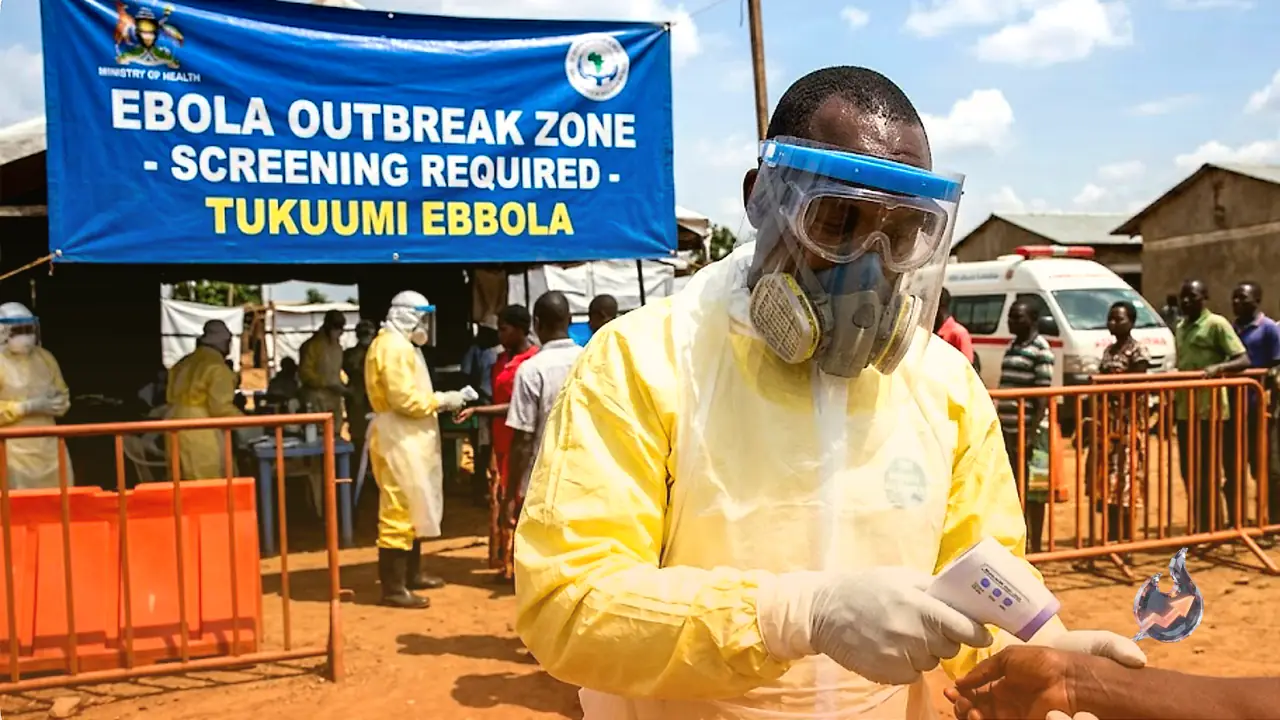
Both his attorney and a close friend have highlighted that Nalwamba’s physical condition has deteriorated significantly during his nine months in immigration custody. This decline has heightened concerns regarding the decision to remove him to a country currently at the epicenter of an active Ebola outbreak. Uganda and the Democratic Republic of the Congo are suffering from the latest wave of the virus, which has already claimed more than 300 lives. Earlier this month, the US Centers for Disease Control (CDC) issued a travel health notice for Uganda, urging travelers to exercise enhanced precautions. It remains unclear exactly how many other immigrants are being deported to Uganda under current federal operations.
Shifting Administrative Priorities
Nalwamba’s plight reflects broader changes within the second administration of President Donald Trump. Since January 2025, the government has significantly curtailed foreign assistance, essentially dismantling the US Agency for International Development. Simultaneously, funding has been heavily funneled into the Department of Homeland Security (DHS) and various immigration enforcement operations.
Nalwamba initially entered the US on a tourist visa to attend a religious conference. According to court filings from 2010, his fears of returning home stem from events in 2001, when he was abducted from his home in the middle of the night by armed security forces during Uganda’s presidential elections. He was interrogated about his ties to political opposition groups after refusing to urge his church congregation to vote for Yoweri Museveni, the country’s leader since 1986, whose government has frequently targeted political dissenters.
Asylum Struggles and Legal Roadblocks
While attending the religious conference in the US, Nalwamba received warnings from contacts in Uganda that political conditions were rapidly worsening. He also received threats via fax, which solidified his decision to stay and apply for asylum. Joy Athanasiou, the immigration attorney currently representing him, notes that Nalwamba has lived in constant fear that his return to Uganda would result in torture, imprisonment, or death, especially since Ugandan authorities have historically searched for him.
His asylum application was complicated when his original attorney ceased communication without filing the necessary paperwork. Athanasiou explains that further challenges arose when Nalwamba’s belongings were confiscated upon his arrest on September 18, 2025. Accessing his previous records has proven difficult due to the current government's restrictive policies regarding the Freedom of Information Act, leaving her with only a fraction of his necessary case documentation.
Concerns from the Community
Reverend Philip Eberhart, a pastor at the Resurrection Anglican Fellowship in Greenwood Village, Colorado—where Nalwamba worked for 15 years—has been visiting him regularly in the Aurora detention facility, operated by the private firm GEO Group. He expresses shock at how rapidly Nalwamba’s health has faded while in custody. The Reverend recalls that Nalwamba was once highly active but is now confined to a wheelchair.
According to his lawyer, laboratory results from December showed signs of malnourishment and undiagnosed pneumonia, which staff failed to communicate to Nalwamba. Currently, he is suffering from a persistent virus, severe weakness, and chest pains. Despite filing multiple requests for medical attention, Athanasiou says he has not been seen by clinic staff. Reverend Eberhart maintains that Nalwamba has no criminal record and has been attempting to regularize his status legally for over two decades. He worries that if Nalwamba is returned to Uganda, he will likely be detained by military forces, and his whereabouts may remain unknown thereafter. Requests for comment sent to the White House, DHS, and the CDC went unanswered, while GEO Group directed all inquiries to Immigration and Customs Enforcement (ICE).