













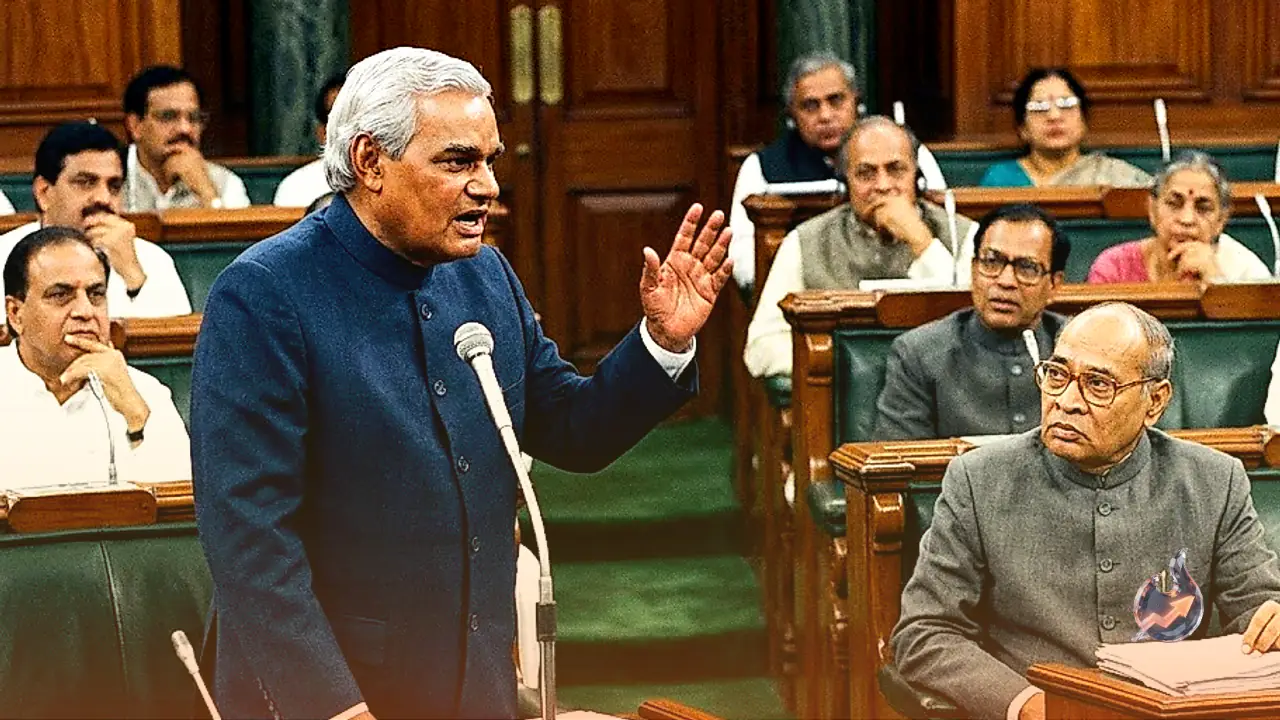

Indian parliamentary history has witnessed several memorable debates centered around foreign policy and diplomatic decorum. One notable episode occurred during the 1990s, when a crucial turn in international relations led to a sharp exchange between the government and the opposition. In September 1993, Indian Prime Minister P.V. Narasimha Rao undertook an official visit to Iran. In response to this initiative, Iranian President Akbar Hashemi Rafsanjani arrived in India in April 1995. However, when the visiting head of state traveled to Lucknow in Uttar Pradesh, a public gathering organized in his honor triggered a political firestorm in Parliament. Atal Bihari Vajpayee, who represented Lucknow as a Member of Parliament, raised strong objections regarding procedural lapses and demanded answers from the Prime Minister.
India Iran Relations and Diplomatic Background in the 1990s
When P.V. Narasimha Rao assumed office as Prime Minister in 1991, India was navigating a severe economic crisis alongside complex geopolitical challenges. During this demanding period, the country needed to recalibrate its foreign policy stance. As part of efforts to strengthen ties with nations in the Middle East, high level diplomatic engagements were prioritized. Prime Minister Narasimha Rao visited Iran in September 1993 with the objective of deepening bilateral cooperation and exploring new avenues for economic and strategic partnership.
In reciprocal gesture, Iranian President Akbar Hashemi Rafsanjani made an official state visit to India in April 1995. President Rafsanjani's itinerary extended beyond New Delhi to include the historic city of Lucknow in Uttar Pradesh. Upon landing at Amausi Airport, he received a ceremonial welcome before proceeding to address a gathering at the famous Imambara. Nevertheless, the speeches delivered at the venue and the surrounding political atmosphere sparked widespread controversy that soon echoed on the floor of Parliament.
Objections Over Delegation Omission and Lack of Communication
Prior to the visit, administrative decisions regarding the official Indian delegation had already raised eyebrows. Given his deep expertise in international affairs and high standing across the political spectrum, Atal Bihari Vajpayee was initially chosen to be part of the official delegation. As a leading opposition figure, his presence was seen as a standard reflection of bipartisan diplomatic representation.
However, for unspecified administrative or political reasons, Vajpayee's name was subsequently removed from the final delegation list. The lack of prior communication regarding this modification deeply offended him. When the matter came up in Parliament, Vajpayee expressed his frustration openly, maintaining that courtesy demanded he be informed before any changes were finalized. His objection was not merely about being excluded from the trip, but concerned the fundamental lack of transparency and proper communication in government processes.
Parliamentary Debate on Protocol Lapses and National Pride
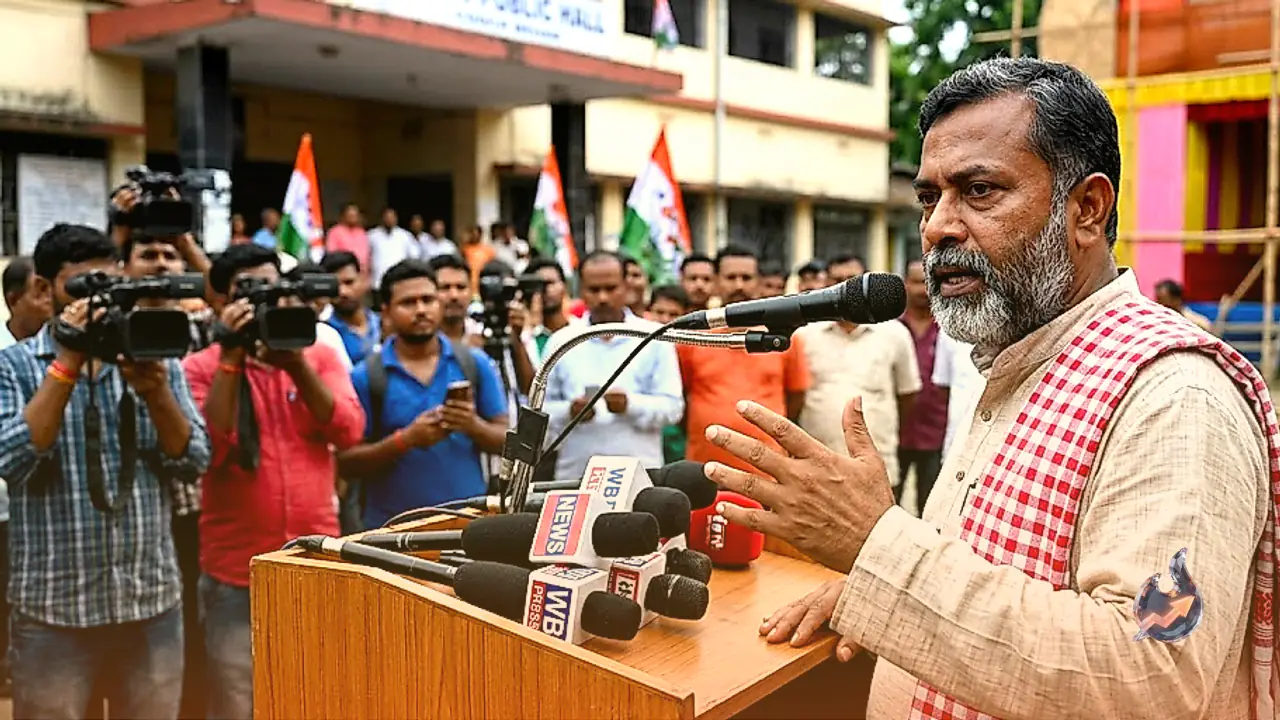
During the parliamentary session, Atal Bihari Vajpayee launched a spirited critique of the government concerning the events in Lucknow. While maintaining that the Iranian President was an honored guest and that fostering friendly ties with Iran was vital, he condemned the manner in which a political faction sought narrow partisan advantages during the visit.
Addressing the House, Vajpayee remarked, " मैंने अपने भाषण में ईरान के राष्ट्रपति की लखनऊ यात्रा का उल्लेख किया था।" He pointed out that along the route from Amausi Airport to the Imambara, the Indian national flag was conspicuously absent. Furthermore, local elected representatives were denied the opportunity to speak on stage, while statements suggesting that minorities were insecure in India were made in front of the foreign leader. Vajpayee questioned why he, as the elected MP from Lucknow, was not invited, and challenged the propriety of utilizing a foreign dignitary's presence for domestic political signaling.
Prime Minister P.V. Narasimha Rao's Defense and Historic Exchange
Responding to the allegations, Prime Minister P.V. Narasimha Rao defended his administration's position in Parliament. Rao dismissed the concerns, stating that the visiting head of state did not interfere in India's internal affairs. The Prime Minister emphasized that the Iranian leader was not coerced into endorsing any statement he did not intend to make, and that his remarks ultimately aligned with India's official diplomatic stance.
Countering the opposition's claims, Prime Minister Narasimha Rao asserted, " उन्होंने हमारे घरेलू मामलों में बिल्कुल दखल नहीं दिया।" Unconvinced by this explanation, Vajpayee reiterated his stance against dragging foreign dignitaries into domestic political disputes, asking, " क्या विदेशी मेहमानों का इस तरह से दुरुपयोग किया जाएगा?" To this, Prime Minister Rao responded, " हम उस बात से बिल्कुल सहमत नहीं हैं।" maintaining that it was impractical to restrict political leaders from promoting their party's achievements. This exchange remains a landmark event in Indian parliamentary history, illustrating the delicate balance between diplomacy, national protocol, and domestic political debate.