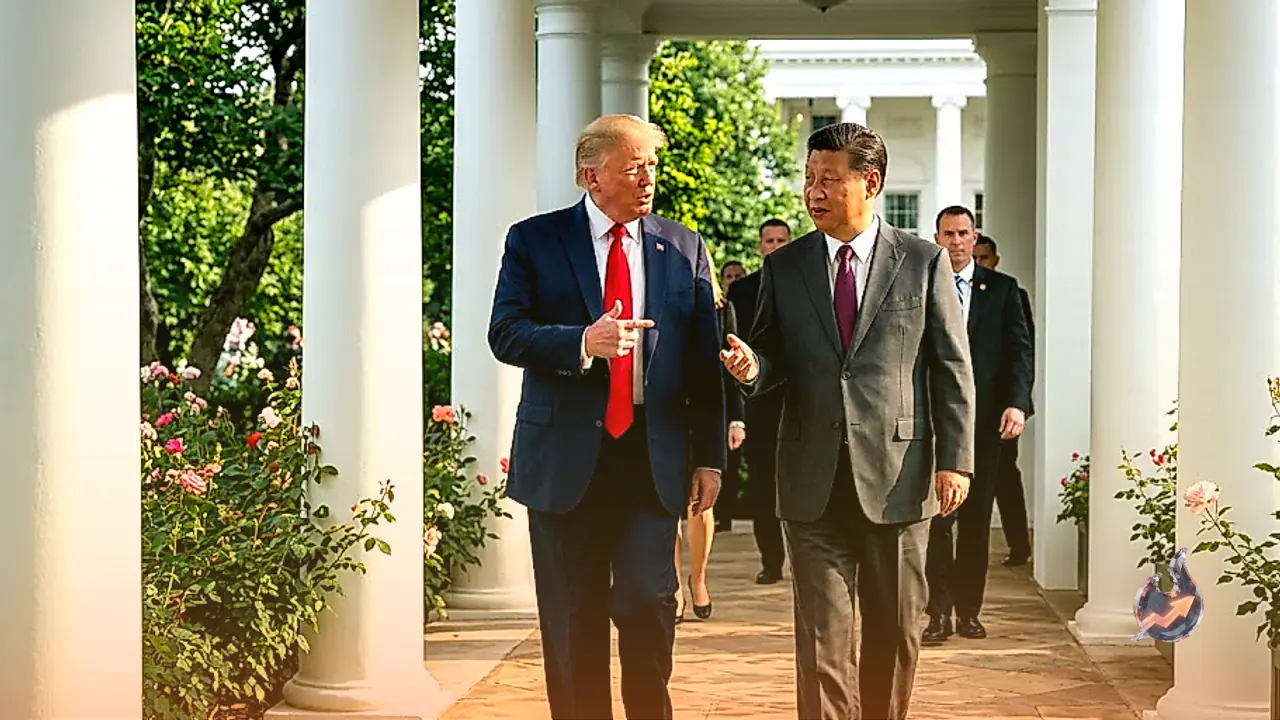






















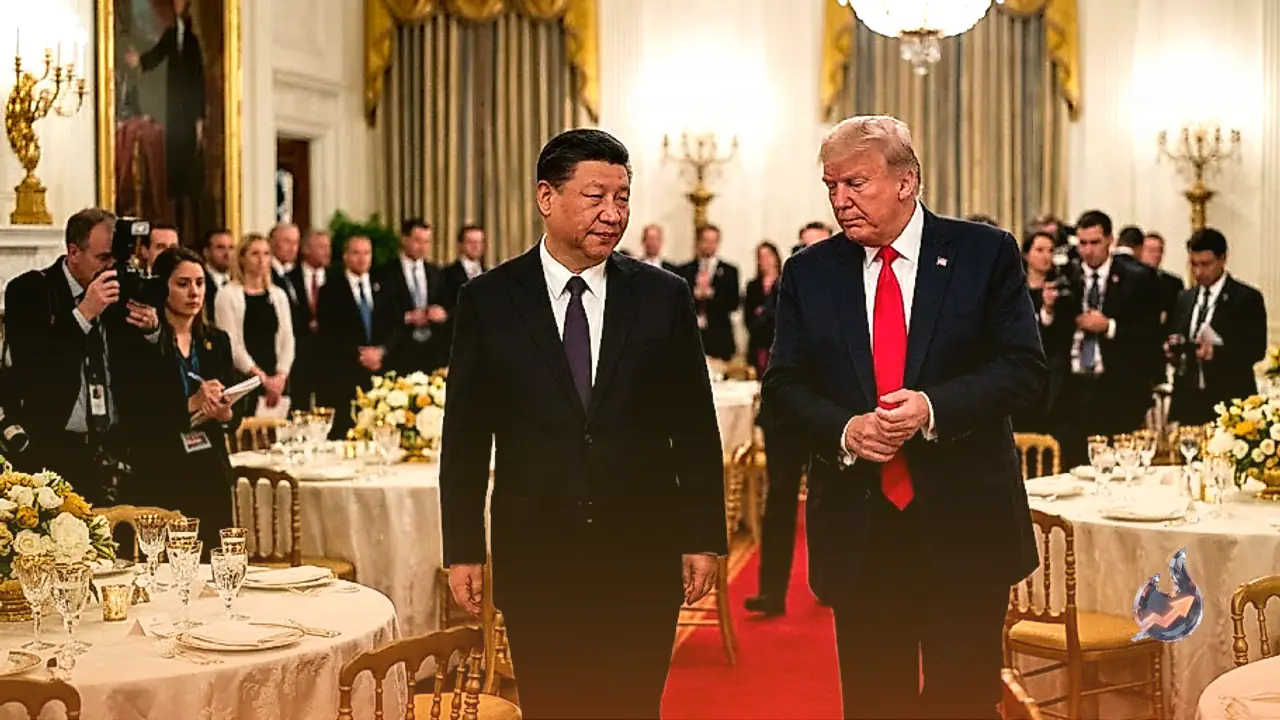

Preparations inside the White House for Thursday's official state dinner between US President Donald Trump and Chinese President Xi Jinping have pushed artificial intelligence directly to the forefront of global diplomacy. Top executives from industry heavyweights OpenAI and Nvidia are confirmed attendees, reflecting how deeply frontier technology has become intertwined with bilateral security. At the top of the agenda sits an ambitious plan to construct a rapid communication channel between Washington and Beijing to flag critical national security incidents stemming from advanced artificial intelligence systems.
The Cold War Parallel and Missing Benchmarks
Treasury Secretary Scott Bessent unveiled the notification mechanism on Sunday following discussions with Chinese Vice Premier He Lifeng. The conceptual blueprint draws direct inspiration from the emergency communication links maintained between Washington and Moscow throughout the Cold War, intended to ensure miscalculations do not escalate into catastrophic conflicts. Yet, despite optimism among officials that the channel could be operational before the close of the year, formalizing the arrangement will require several additional weeks of delicate negotiations.
Substantial hurdles remain before any emergency protocol can function. Negotiators have not yet established technical benchmarks specifying what concrete type of malfunction, misuse, or systemic failure escalates to the gravity of a national security threat. Beijing has simultaneously adopted an uncommitted posture, withholding explicit sign-off on binding terms. The administration aims to assemble an actionable framework that President Donald Trump can formally approve ahead of follow-up negotiations scheduled two months from now in Shenzhen, China, where Bessent and Lifeng will meet again.
Semiconductor Tradeoffs and Export Enforcement
The urgency behind these deliberations mirrors wider anxieties over the explosive progression of frontier AI models, with the United States and China locked in an intense contest for computational supremacy. Internal discussions within the Trump administration focus on establishing balanced rules of engagement so that notification duties remain reciprocal, preventing an arrangement where only Washington issues warnings while Chinese counterparts stay silent.
Formulating a mechanism with genuine enforcement leverage faces complex internal trade-offs. The White House is anticipated to prolong an ongoing trade truce, while Trump has shown reluctance to clamp down entirely on exports of advanced Nvidia semiconductors to China. The administration granted a selective batch of licenses this year permitting Nvidia to deliver its H200 accelerators to Chinese customers. These processors supply vital compute capacity that research laboratories require to train frontier models. Advocates for Nvidia argue that withholding shipments merely accelerates the development of homegrown alternatives by Chinese firms like Huawei, though the Chinese hardware maker has already matched that capability with commercially accessible AI processors.
Internal Succession and the Hunt for an AI Czar
Progress on the notification framework also intersects with an internal leadership vacancy, as Trump deliberates over the selection of an AI czar to orchestrate an interagency apparatus dubbed the AI Force. The eventual appointee will oversee complex cross-departmental coordination on frontier algorithmic risks.
Scott Bessent is among the candidates considered for the portfolio, though his selection is far from guaranteed. Commerce Secretary Howard Lutnick, alongside White House AI officials Michael Kratsios and Sean Cairncross, are actively under consideration. It remains unresolved whether the president will assign the post as an additional assignment to an active cabinet member or demand a dedicated transition. The prior occupant, David Sacks, held the title as a special government employee and is not expected to rejoin the administration.
Support for Bessent stems largely from historical precedent. Observers view his channels with Beijing as reminiscent of the critical dialogue former Treasury Secretary Hank Paulson cultivated with former Chinese Vice Premier of Finance Wang Qishan. During the 2008 financial meltdown, Paulson credited that direct line of contact with dissuading Beijing from liquidating enormous portfolios of US government-backed agency debt backed by Fannie Mae and Freddie Mac. While some officials express hesitation about expanding Lutnick's authority over national artificial intelligence directives, the Commerce Secretary retains leverage because he oversees the Center for AI Standards and Innovation, a bureau that navigated high-stakes standoffs with leading frontier AI labs earlier this summer.