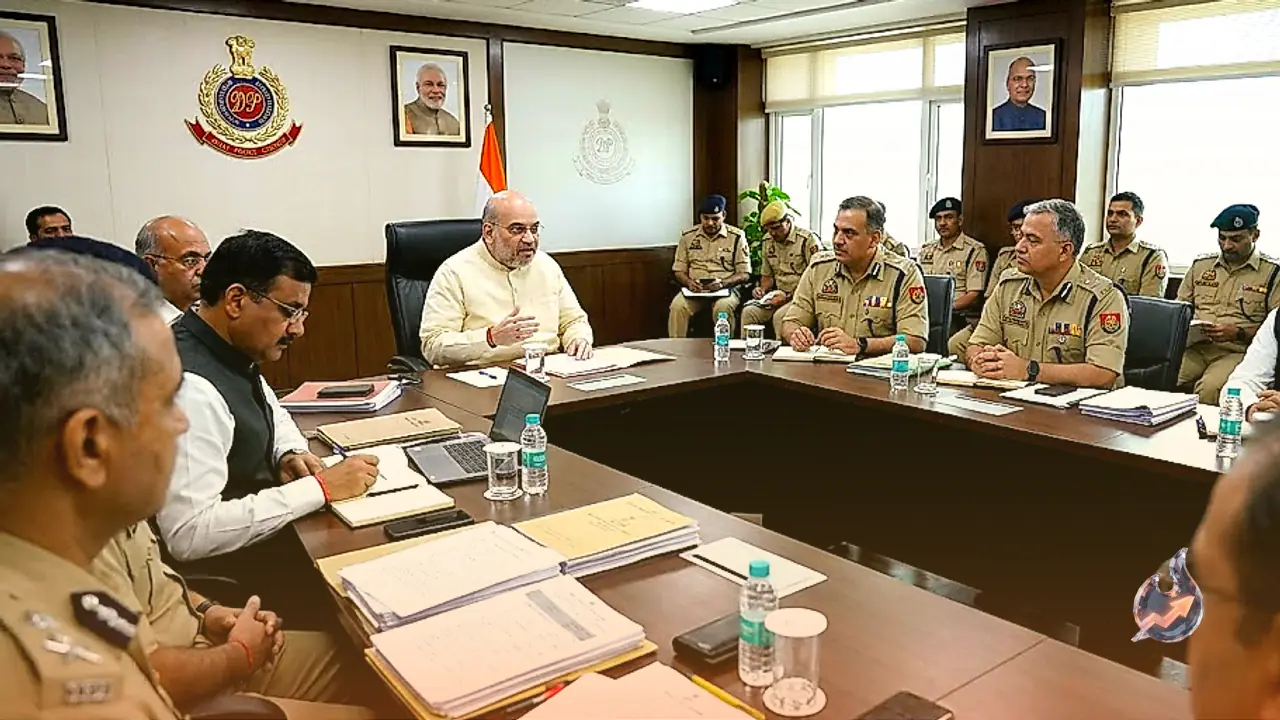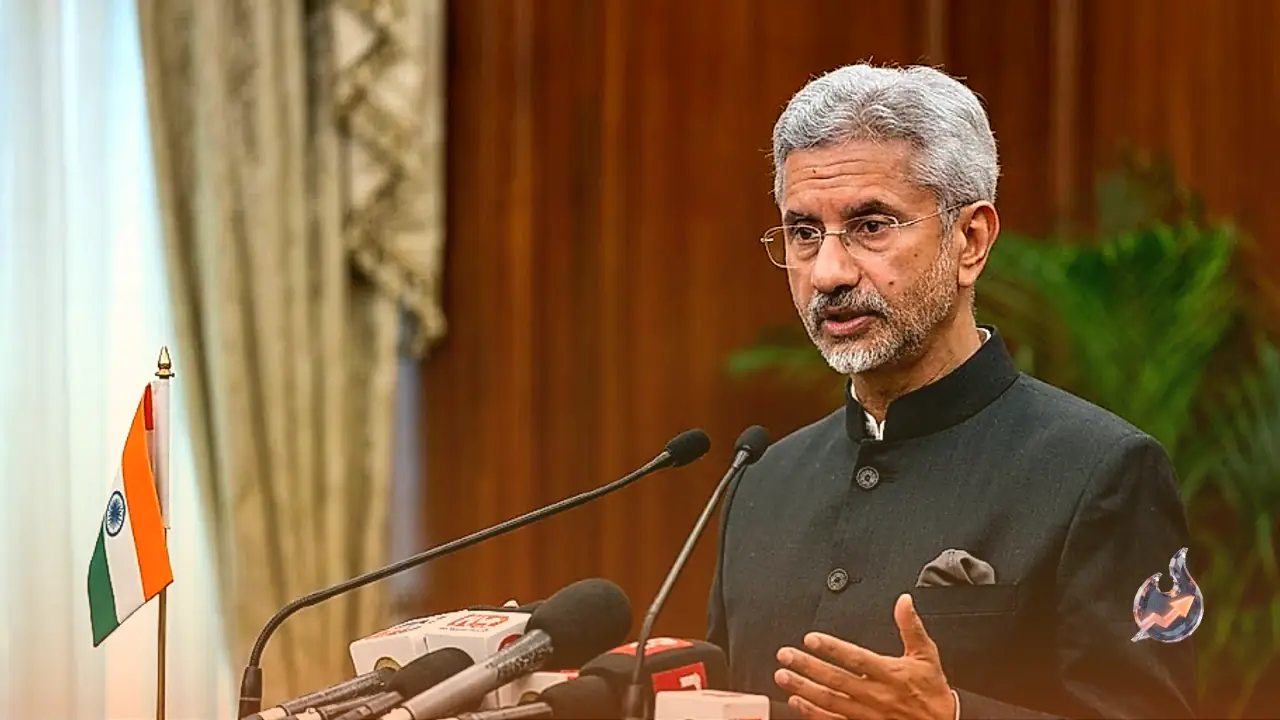

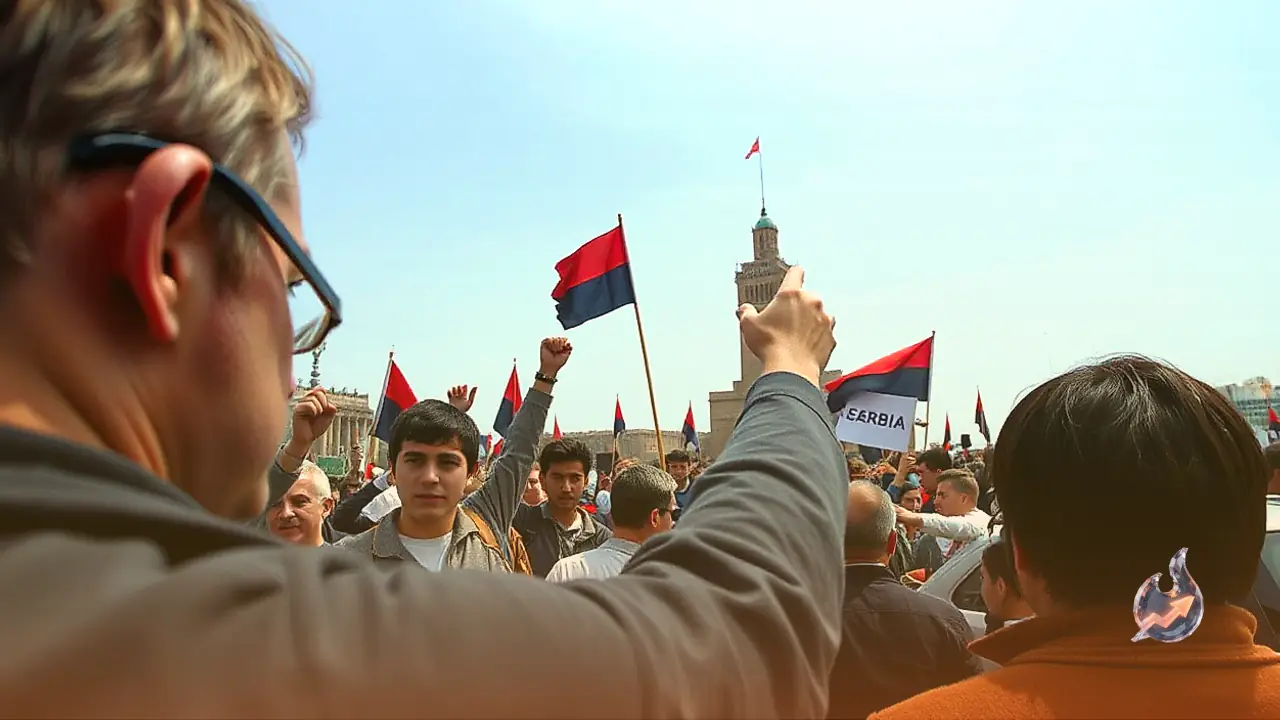
















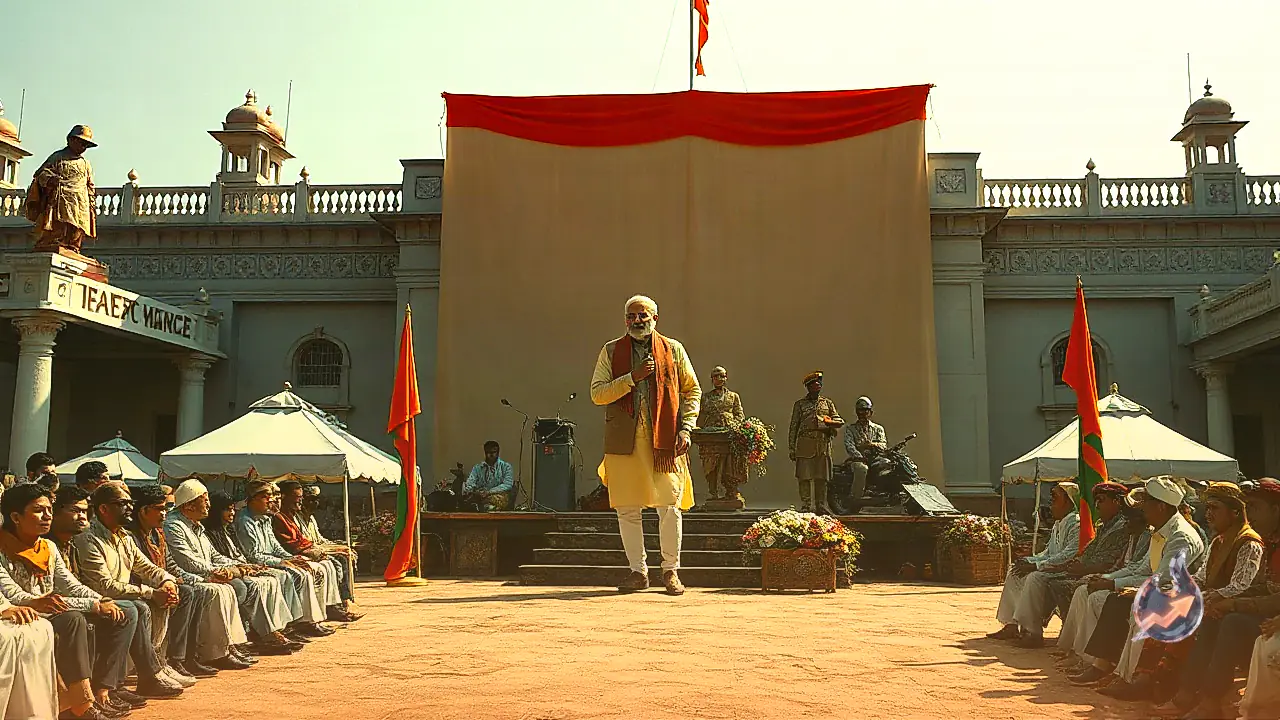

Narendra Modi address at Shri Ram College of Commerce has once again fueled debates surrounding the revival of his political mojo. While the Bharatiya Janata Party has encountered certain hurdles in connecting with the youth and managing organizational dynamics in recent months, the core voter base of the party remains largely intact. Attention has now shifted toward Uttar Pradesh, where the popularity of Narendra Modi, the administrative grip of Yogi आदित्यनाथ, and local grievances against the ruling party will face a collective litmus test. A prominent current affairs discussion explored whether the prime minister has successfully recaptured his signature charismatic appeal.
Does the magic of Narendra Modi persist after twelve years in power
Participants in the discussion compared the recent SRCC address of Narendra Modi to his widely noted 2013 speech. At that time, Narendra Modi was serving as the chief minister of Gujarat and was striving to shift the political momentum against the incumbent government while in the opposition ahead of the 2014 general elections. The panel featured senior journalists Ajit Dwivedi, Vinod Agnihotri, and political analyst Sajjan Kumar alongside the show anchor.
According to the experts, a major distinction between 2013 and the present scenario is that Narendra Modi was not leading the central government back then, whereas today his twelve-year governance record is laid out before the public. Consequently, his contemporary speeches are evaluated not merely on past promises and visions, but heavily on tangible administrative performance.
Renewed outreach efforts directed at the youth
The panel noted that recent months have proven less than favorable for the central government and the party, particularly regarding a perceived disconnect and growing discontent among young citizens. Following these observations, visible efforts have been made by the prime minister to engage directly with the younger demographic.
Initiatives such as social media video outreach following events near Jantar Mantar, direct appeals to youth, and direct interactions are viewed as components of this deliberate strategy. Instructions reportedly issued to party leaders and ministers to strengthen engagement with young people were also highlighted. The positive student reception at the SRCC event was interpreted as a meaningful indicator of this ongoing effort.
Reference was made to a Vadodara event where online registration slots were filled within a single hour and substantial waiting lists were recorded. Furthermore, plans for organizing additional youth-centric events were discussed.
The ultimate electoral test in Uttar Pradesh
The discussion underscored that while student union elections in institutions like Delhi University offer minor hints, the real electoral verdict will be delivered on the grounds of Uttar Pradesh. This is because Narendra Modi represents an Uttar Pradesh constituency in parliament, and the state holds monumental political weight in the Lok Sabha. Consequently, the upcoming political battles will rigorously test the electoral influence of both Narendra Modi and Yogi आदित्यनाथ.
The panel observed that while the popularity of Chief Minister Yogi आदित्यनाथ has not witnessed any steep decline, the previous level of exuberant enthusiasm surrounding the Bharatiya Janata Party has certainly cooled down. While people retain the perception that the party remains capable of winning, the passionate fervor attached to those victories has visibly diminished.
Organizational challenges and opposition strategies
Experts deliberated on the internal transformations within the party after prolonged periods in power. Concerns were raised regarding leaders promoting family members in politics, anxieties surrounding ticket distribution, and a widening chasm between leaders and grassroots cadres. A sense of entitlement developing among leaders and workers following prolonged governance was noted as well.
A perceived disconnect between the bureaucracy and lower-tier party organization in Uttar Pradesh was also cited as a hurdle. However, the panel pointed out that the traditional voter base of the Bharatiya Janata Party lacks any compelling alternative at present, noting a lingering hesitation among traditional voters toward the Samajwadi Party.
Strategies deployed by opposition leaders
The conversation turned to the political approach of Rahul Gandhi, focusing on his emphasis on backward classes, Dalits, and Other Backward Classes. According to the guests, his strategy heavily incorporates demands for a caste census, expanded reservations, and rights proportional to population size. Campaigns launched by the Congress party around education, competitive examinations, jobs, and unemployment among youth were also noted.
Meanwhile, the strategy of Akhilesh Yadav was discussed in terms of its targeted focus on western Uttar Pradesh. Efforts to balance Jat and non-Jat equations, consolidate Muslim votes, and manage regional social coalitions were described as core components of his approach. An incidental remark concerning Jayant Chaudhary was mentioned and characterized as an unnecessary commentary.
Evaluating the ground reality for Yogi आदित्यनाथ in Uttar Pradesh
Concluding the session, the political standing of Yogi आदित्यनाथ in Uttar Pradesh was analyzed. Experts indicated that despite prevailing public grievances against the Bharatiya Janata Party, the personal political graph of the chief minister is not dipping. It was even suggested that discontent directed at the broader party organization might partially benefit Yogi आदित्यनाथ, as he is viewed by some as an alternative figure within the party framework.
The discussion touched upon Brahmin voters, noting that while pockets of dissatisfaction or grievances might exist within the community, they show no signs of completely severing ties with the Bharatiya Janata Party. The continued allegiance of Rajput voters toward the party and Yogi आदित्यनाथ was also affirmed. Ultimately, the central inquiry of the program remained whether Narendra Modi has successfully reclaimed his past rapport and charisma among the youth. While the response at SRCC serves as an encouraging sign, the definitive answer will be delivered exclusively by ballot boxes, with Uttar Pradesh elections proving vital in determining the enduring strength of the Modi-Yogi factor and the extent to which public dissatisfaction converts into actual votes.