




















Why Tarique Rahman is keeping distance from India amid the Sheikh Hasina factor in BangladeshPolitics
18 Aug 2026, 4:37 pm (70 days ago)· 3

Why Tarique Rahman is keeping distance from India amid the Sheikh Hasina factor in Bangladesh

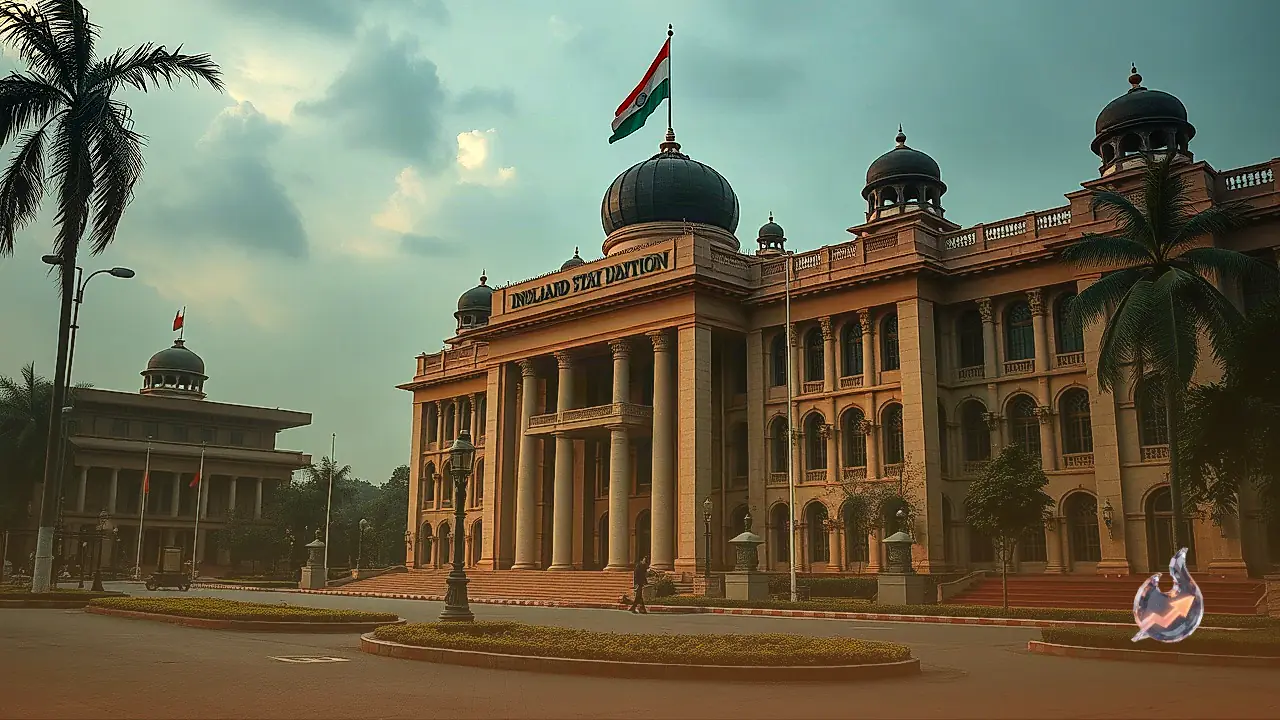
Former Indian High Commissioner to Bangladesh Veena Sikri has stated that Prime Tarique Rahman's government is fearful of Sheikh Hasina's planned return by December, causing Dhaka to ignore India's invitation for six months.

The diplomatic currents between India and Bangladesh have hit a notable roadblock, driven primarily by shifting political calculations inside Dhaka. Former Indian High Commissioner to Bangladesh Veena Sikri has pointed out that the administration led by Prime Tarique Rahman is gripped by severe anxiety regarding the stated return of Sheikh Hasina to the country by December. According to her assessments, the expanding grassroots popularity of the Awami League is the fundamental driver behind Dhaka maintaining a deliberate distance from New Delhi and leaving Indian invitations unanswered for half a year.

Elaborating on the timeline of these diplomatic overtures, the former diplomat noted that Prime Tarique Rahman was extended an invitation to visit India exactly six months prior, in February 2026, coinciding with his swearing-in as prime minister. She observed that this appeared to be the inaugural invitation dispatched by the Indian government following his assumption of office, yet New Delhi has spent the ensuing six months awaiting a formal response. Furthermore, an additional invitation was extended a few weeks ago inviting him to participate in the BRICS Summit in his capacity as the BIMSTEC Chair.

Also read

Highlighting past political stances, Sikri contrasted Rahman's previous rhetoric with his current administrative posture. She recalled that during the tenure of Muhammad Yunus, when discussions arose regarding banning the Awami League, Rahman had publicly maintained that his camp did not endorse placing bans on any political organization. At the time, he argued that parties should remain active and face the electorate, noting that citizens would simply withhold their votes if displeased. She pointed out that while residing in London, Rahman routinely addressed political gatherings via video link, launching relentless verbal attacks against the administration of the day, yet Sheikh Hasina never imposed any restrictions upon him.

The former high commissioner emphasized that the moment Rahman stepped into the prime ministerial office, his approach shifted dramatically, utilizing Sheikh Hasina as a convenient pretense to avoid scheduling a visit to India. Initial diplomatic expectations had pointed toward a potential visit by Rahman around August 20 to 22. However, these plans hit a wall following a sudden press conference held by Sheikh Hasina on August 5, which transformed her presence into a manufactured bilateral friction point. Extradition proceedings remain strictly legal matters requiring extended procedural time, yet the current administration appears unnerved.

Sikri concluded that the panic in Dhaka stems directly from Hasina's declaration that she will return to her homeland by December. The current government is acutely aware that the Awami League retains a formidable support base and that public backing for the party continues to climb with each passing day, leaving the ruling leadership deeply unsettled by the prospect of political competition.


Questions & Answers

When was Tarique Rahman invited to visit India?
Tarique Rahman was given the first invitation to visit India in February 2026 after taking oath as prime minister.
Why is the Bangladesh government ignoring India's invitation?
The Rahman government is reportedly fearful due to Sheikh Hasina's announcement of returning by December and the growing popularity of the Awami League.
Who is Veena Sikri?
Veena Sikri is the former Indian High Commissioner to Bangladesh who made these observations on bilateral relations.
What announcement did Sheikh Hasina make regarding her return?
Sheikh Hasina announced that she will return to her home country by December this year.

Comments 5

Vikram Yadav@vikram-yadav·69d ago

The diplomatic stalemate following leadership changes in Dhaka and the looming factor of a former leader's anticipated return underscore deep-seated political anxieties. The six-month delay in high-level engagements highlights how domestic electoral calculations and grassroots party dynamics are dictating foreign policy hesitation. If this freeze persists, it risks creating long-term structural roadblocks for bilateral cooperation and broader regional stability in South Asia.

Priya Sharma@priya-sharma·69d ago

Expanding on Vikram's analysis, it is evident that this diplomatic stalemate will extend far beyond geopolitical maneuvering, directly impacting socio-cultural exchanges and people-to-people connections between the two nations. When communication at the capital level stalls, the natural flow of cross-border cultural festivals, artistic collaborations, and community interactions begins to falter. In the contemporary interconnected era, regional stability requires maintaining open channels of cultural and human dialogue alongside statecraft, failing which this growing distance risks deepening mutual distrust between the two societies.

Karan Malhotra@karan-malhotra·69d ago

This diplomatic and strategic impasse poses a serious concern for bilateral ties and regional security. Former High Commissioner Veena Sikri's revelations make it clear that internal political instability and the fear of Sheikh Hasina's potential return are driving Dhaka's foreign policy calculus. If this standoff persists, it could adversely impact cross-border security, trade agreements, and counter-terrorism cooperation between the two nations, potentially triggering new geopolitical realignments in South Asia.

Rohan Verma@rohan-verma·69d ago

This development marks a sensitive turn in India-Bangladesh diplomacy. Veena Sikri's revelations indicate that Dhaka is stalling high-level dialogue due to domestic political insecurity. This anxiety over the Awami League's grassroots footprint and Sheikh Hasina's potential return pushes bilateral engagements and regional stability into uncertainty.

Ravikash Gupta@ravikash·69d ago

Expanding on Rohan's analysis, this strategic hesitation goes beyond mere diplomatic stagnation; it directly impacts regional trade, supply chains, and cross-border economic stability. When Dhaka distances itself from high-level forums and bilateral meetings driven by domestic political anxieties and Awami League dynamics, it inevitably creates friction for pending economic pacts, energy corridors, and investment flows. If this stalemate persists, bilateral financial integration and joint infrastructural initiatives risk facing prolonged delays.

Citizen journalism

Become a TrendKia journalist

Voice of the people

Share news, photos and videos from your area with TrendKia and let your voice reach the nation. Every citizen a journalist.

Join now
CH 01 LIVE
TrendKia TV ON AIR
Chamar no WhatsApp