


















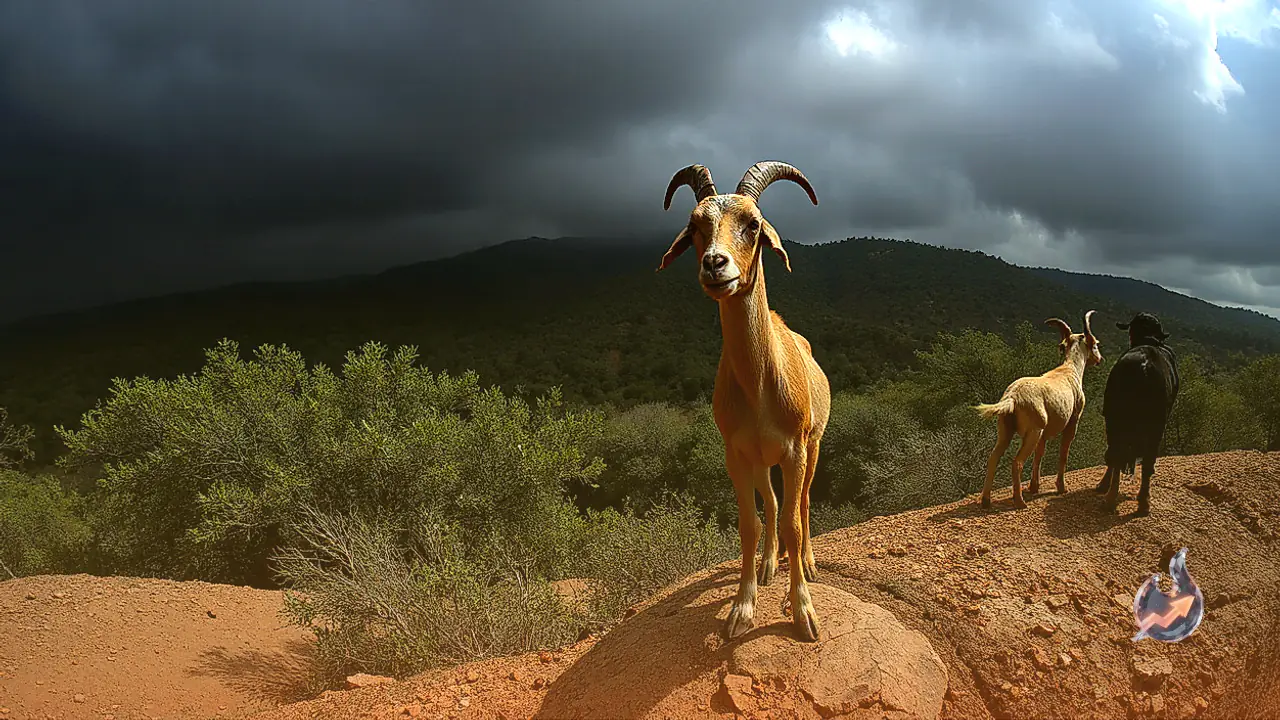

Along the roadsides of Morocco, travelers often stop to gawk at a bizarre and seemingly magical sight: dozens of goats standing balanced precariously high up in the branches of argan trees. While it looks like a quirky natural phenomenon at first glance, the reality behind this viral tourist attraction is far darker. Far from being a natural talent, this spectacle is a manufactured routine born out of severe drought, grinding poverty, and the systematic exploitation of helpless animals meant solely to extract tips from passing visitors.
Getting these farm animals to climb requires harsh and forceful training methods that push their physical limits. Handlers use a mix of grain incentives, fruit bribes, and direct physical coercion with sticks to force the goats onto tiny wooden platforms placed among the thin branches. Those animals that refuse or are too reluctant to climb on their own are physically lifted and jammed into position so that tourists can pull over and take photographs.
Under the punishing heat of the Moroccan sun, these animals are forced to endure three to four hours at a stretch without access to shade, food, or water. Veterinarians and animal experts point out that prolonged exposure to such high temperatures triggers severe dehydration and heat stress. Furthermore, exhausted goats frequently lose their footing and fall from the branches, suffering broken bones and other serious injuries as a result of the routine.
The root cause of this disturbing practice lies in an unprecedented agricultural crisis, as Morocco suffers through decades of its worst recorded drought. With staple crops completely wiped out and wheat farming at a standstill, impoverished farmers have been left with zero means to feed their families and livestock. The tips collected from curious tourists have become their absolute last lifeline for survival and a desperate way to put food on the table.
Global animal welfare organizations, including World Animal Protection, have formally classified this practice as blatant animal cruelty. Experts emphasize that tourists eager for a unique vacation photo are unwittingly fueling an abusive industry, especially given Morocco's historically weak enforcement of animal protection laws. The cycle persists precisely because it caters to outsiders who remain entirely unaware of the suffering unfolding above them.
The environmental toll of this forced tree-climbing is equally devastating to the fragile local ecosystem. While some believe the goats aid in seed dispersal, the reality is far more destructive because the animals strip away fresh leaves and young shoots entirely. This constant stripping prevents new argan trees from taking root and growing, accelerating environmental degradation in a region already battered by extreme climate conditions.
Simply implementing a blanket ban on the practice without addressing the underlying poverty would likely push desperate farmers into starvation. Experts suggest that authorities need to follow models similar to India's successful rehabilitation of dancing bears by offering alternative livelihoods and financial support to the affected communities. Until local farmers have viable sources of income that do not rely on exploiting livestock, this distressing roadside spectacle is unlikely to end.