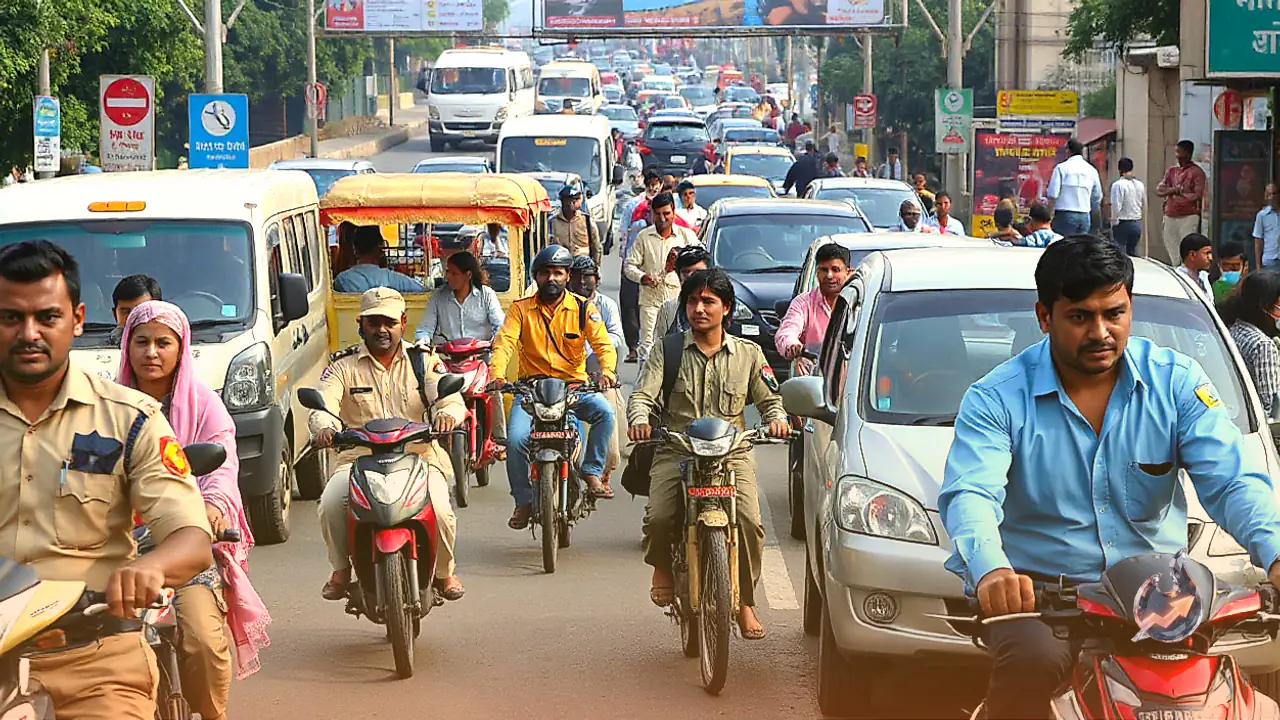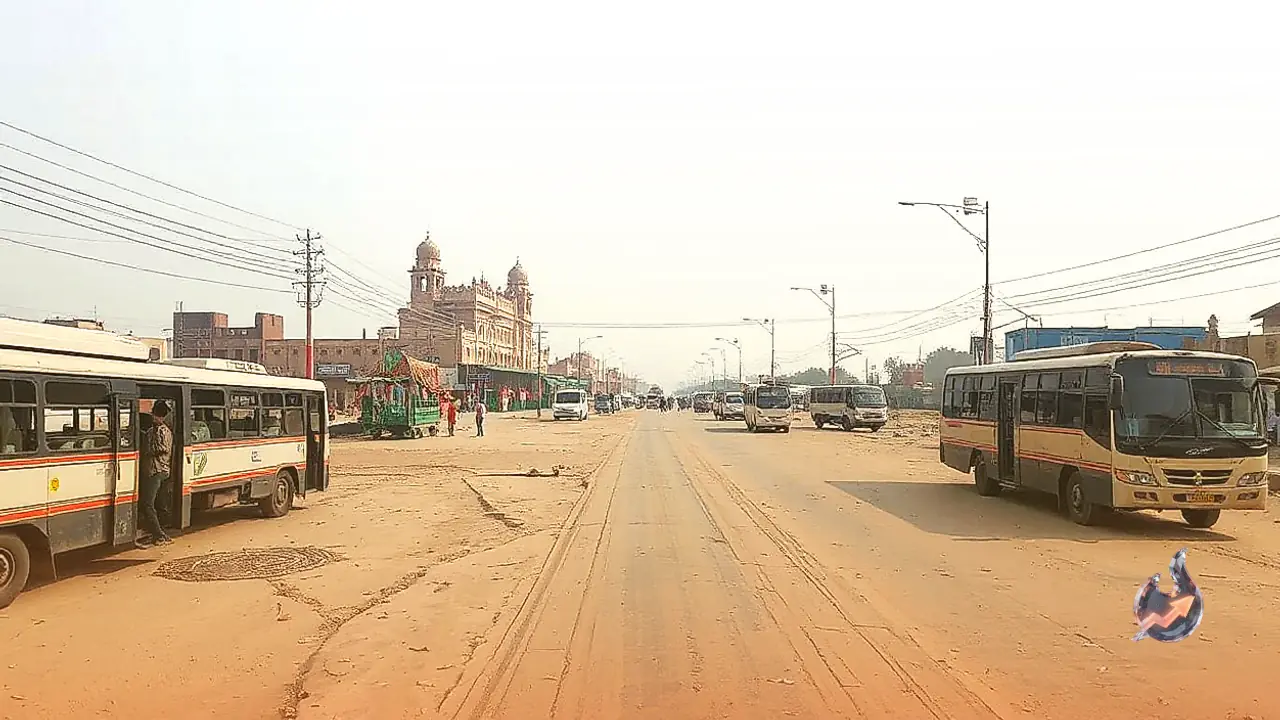


















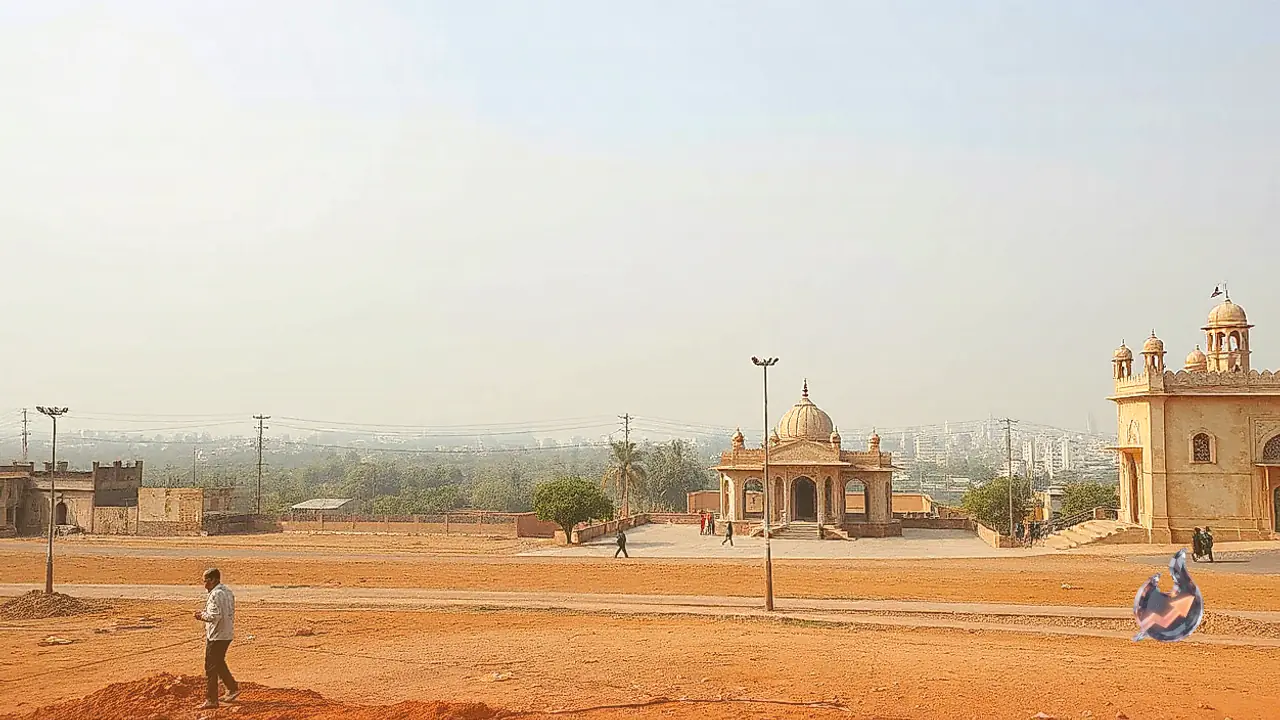

The onset of seasonal shifts across Rajasthan has triggered a sharp surge in air pollution levels. The air quality index graph has climbed rapidly across several key cities in the state. Just ahead of the Diwali festival, severe pollution has severely impacted the industrial hub of Bhiwadi. Sluggish wind speeds combined with changing weather patterns have trapped a dense layer of smog and toxic particulate matter in the atmosphere, driving down air quality metrics throughout the region.
Alarming figures across districts
Air quality measurements across various districts have plunged into deeply concerning zones. Data indicates that industrial centers and major urban areas are bearing the heaviest brunt. Bhiwadi recorded the highest AQI in the state at 373. Meanwhile, Sawai Madhopur registered an air quality index reaching 291. The state capital Jaipur recorded an AQI of 272, where pollution levels have more than doubled. Jodhpur documented an air quality index hovering around 255, while Bikaner recorded an AQI reading of 250. Kota logged an air quality index of 151, and Udaipur saw its AQI climb to 138. Amidst these readings, Ajmer recorded the lowest air quality index in the state at 103.
Deteriorating conditions in Bhiwadi
The most severe reports of air pollution emerging alongside weather transitions come from Bhiwadi in the Khairthal Tijara district. Pollution continues to wreak havoc in the industrial town. Morning readings showed the air quality index climbing from 340 past 370 and exceeding 373, falling firmly into the very poor category. This escalating pollution has rendered the local atmosphere toxic. Looking at Bhiwadi's trajectory over the preceding three days reveals a swift downward spiral in air quality. On November 3, the AQI was recorded at 262. By November 4, the figure escalated to 288. On November 5, it jumped further to 337. While festival fireworks traditionally drive up pollution during Diwali, Bhiwadi's situation has spiraled out of control days before the celebrations even begin.
Health risks for vulnerable groups
The continuous accumulation of airborne toxins and rising air quality indices pose severe challenges for everyday citizens and respiratory patients alike. Medical professionals warn that this degree of air pollution can prove extremely hazardous for senior citizens, young children, and individuals with preexisting lung or breathing disorders. The persistence of morning and evening haze has begun causing acute breathing difficulties and eye irritation among local residents.