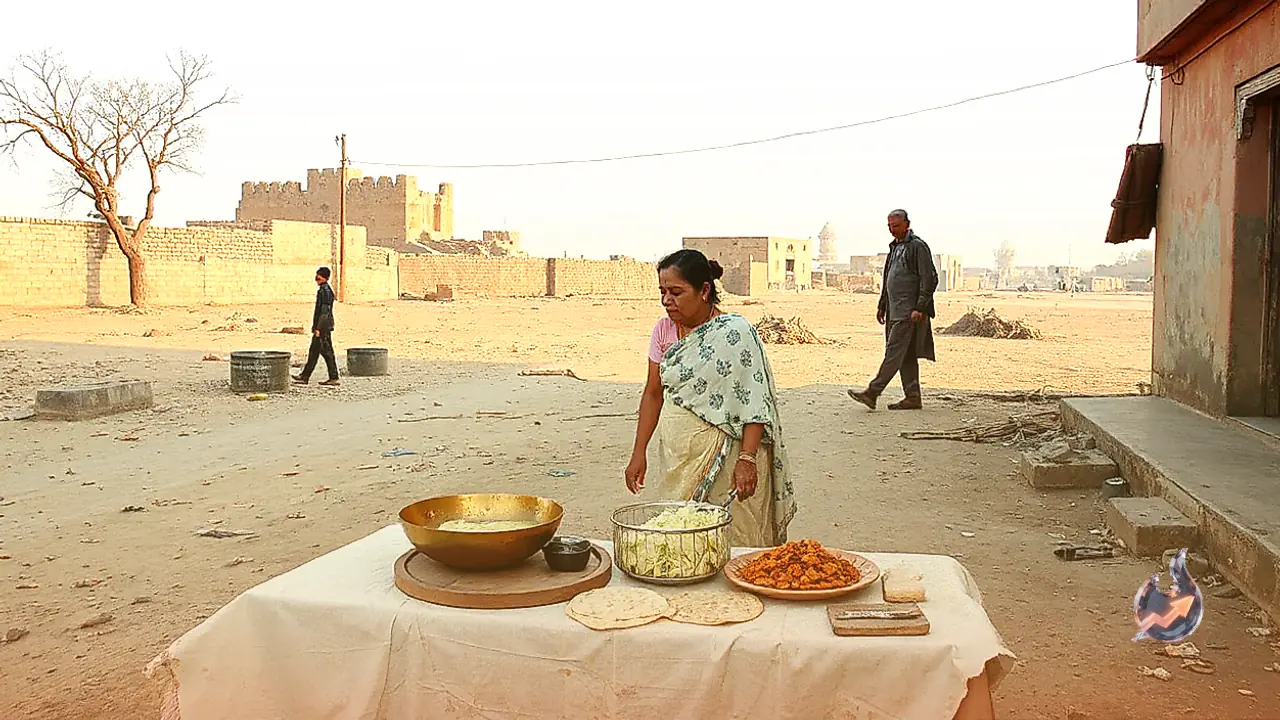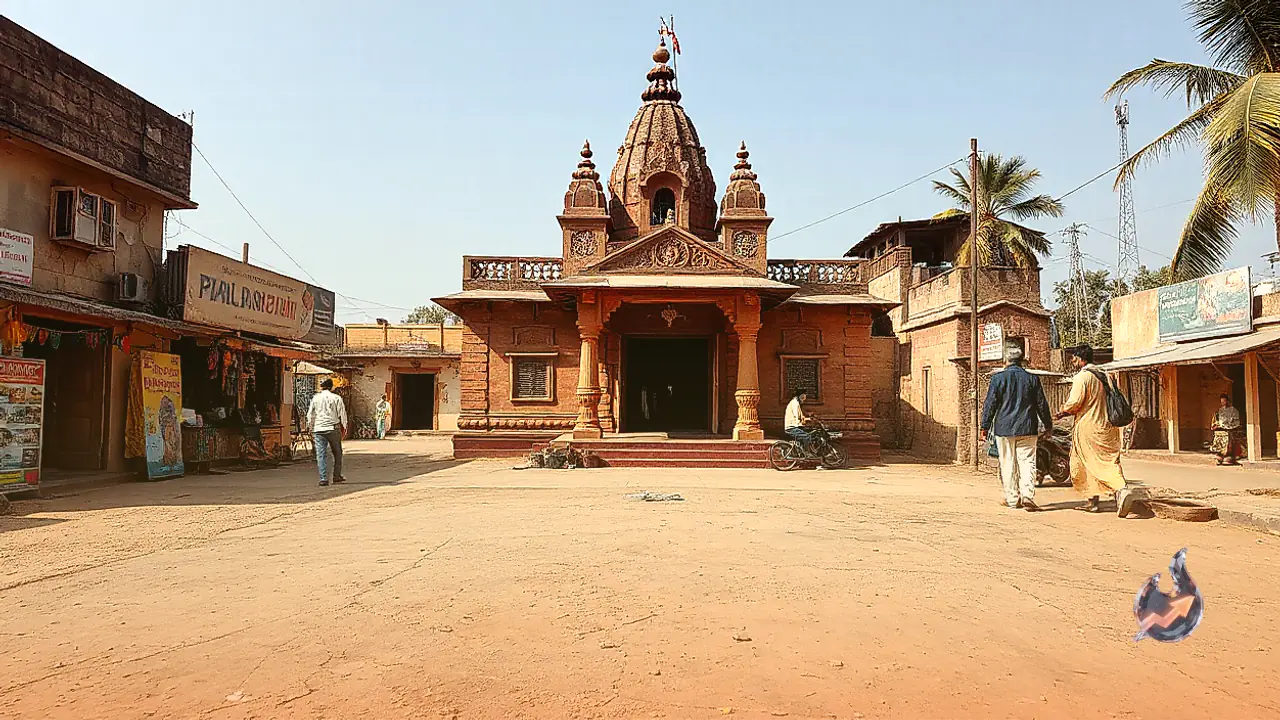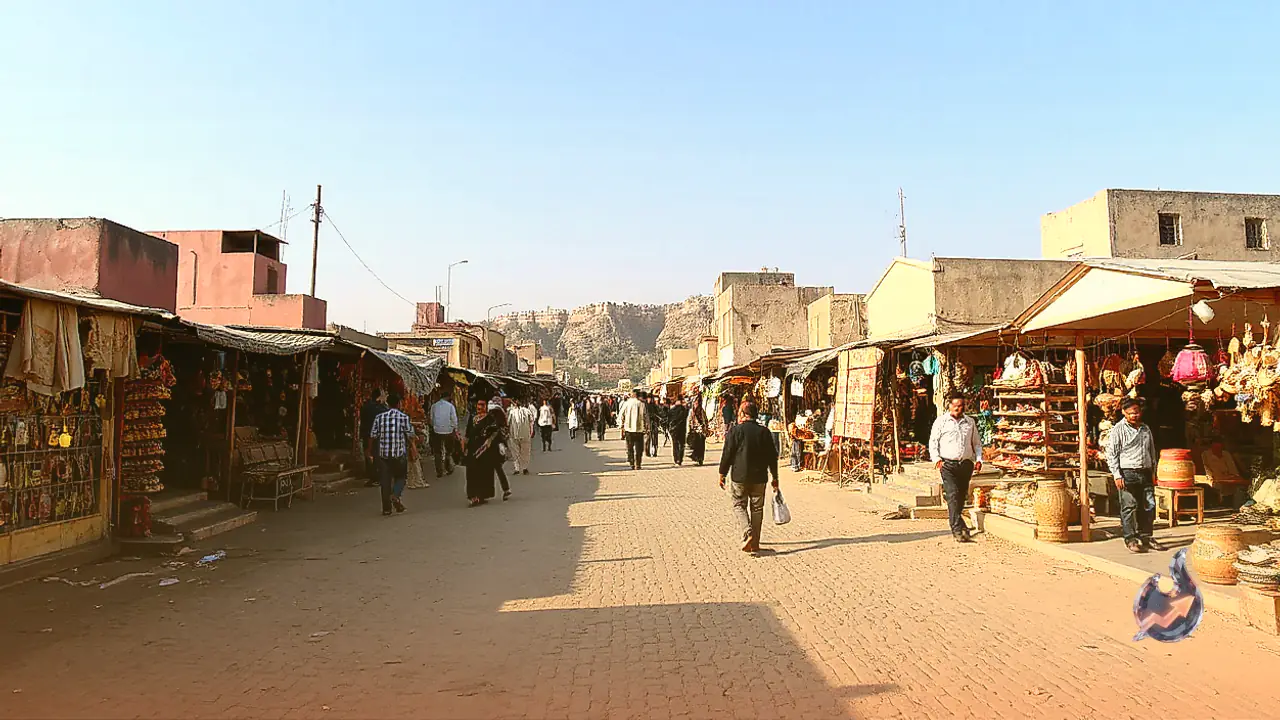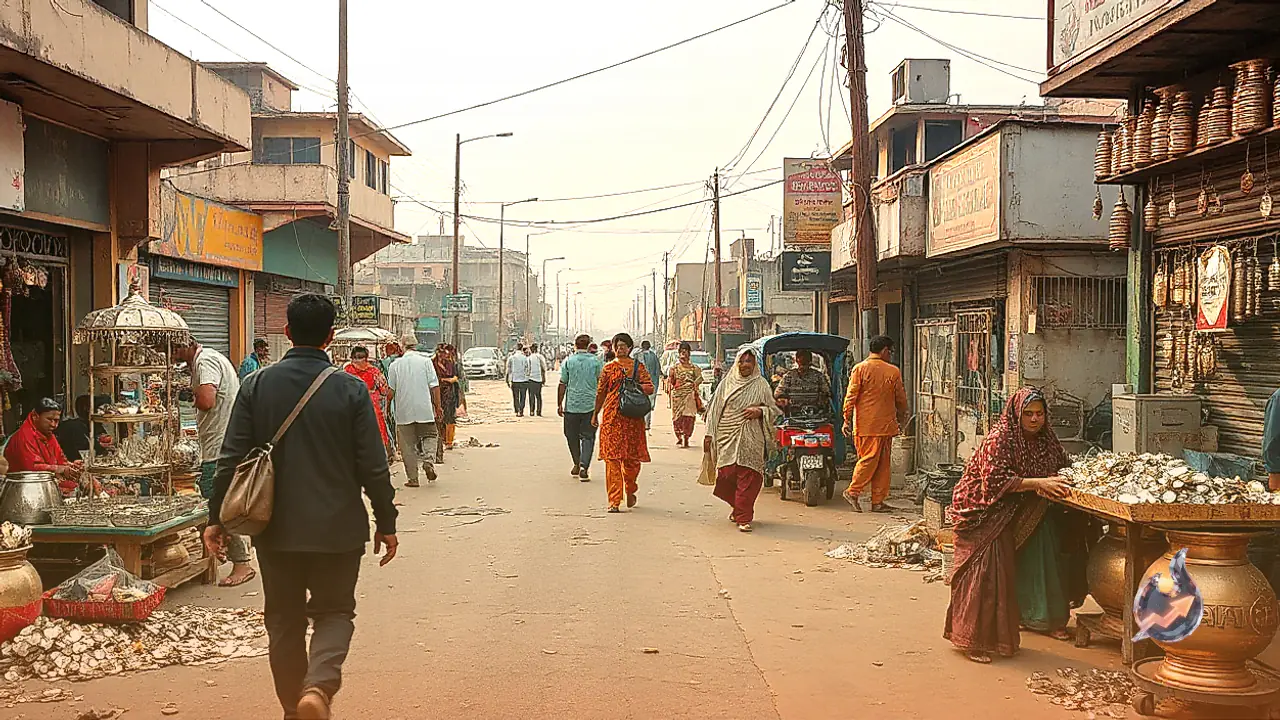



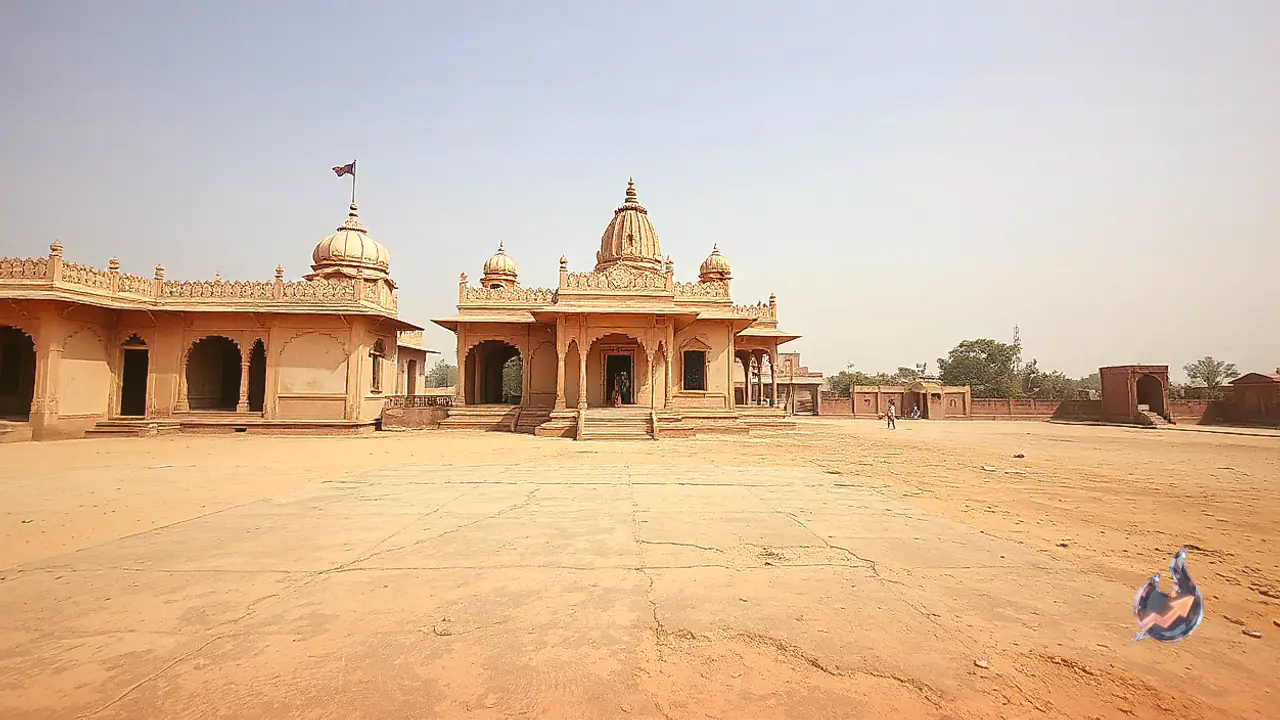
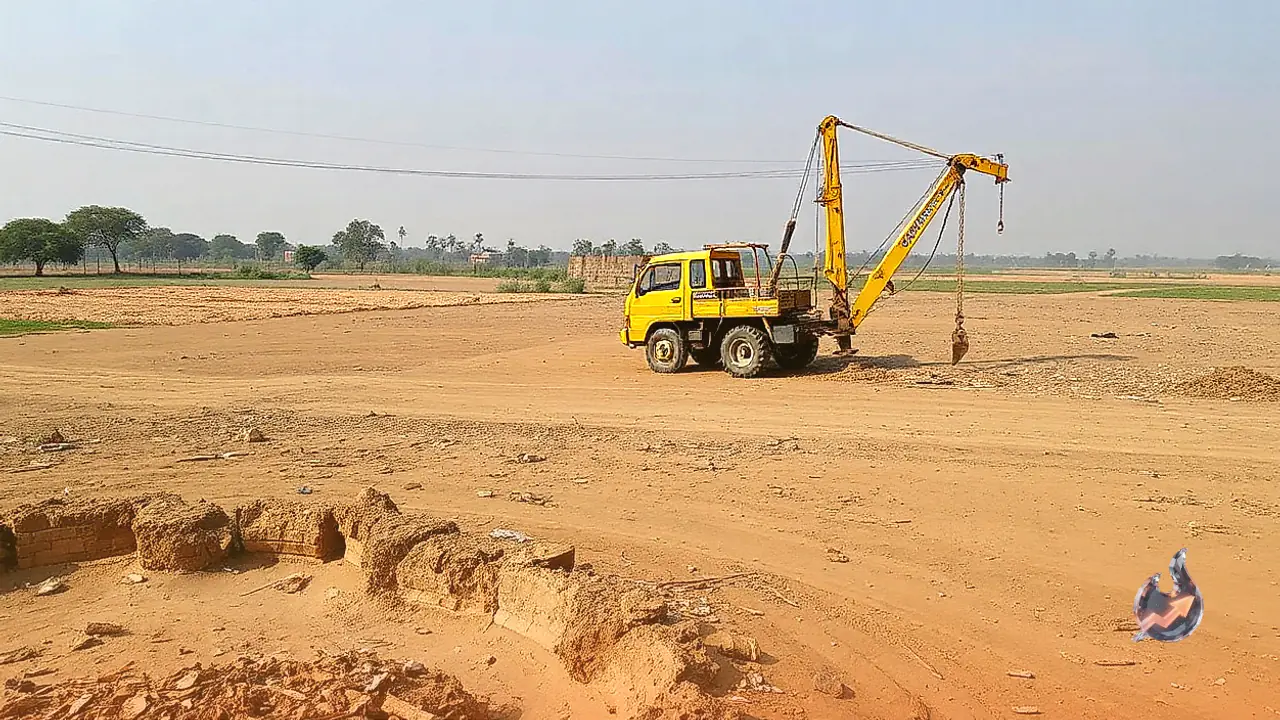
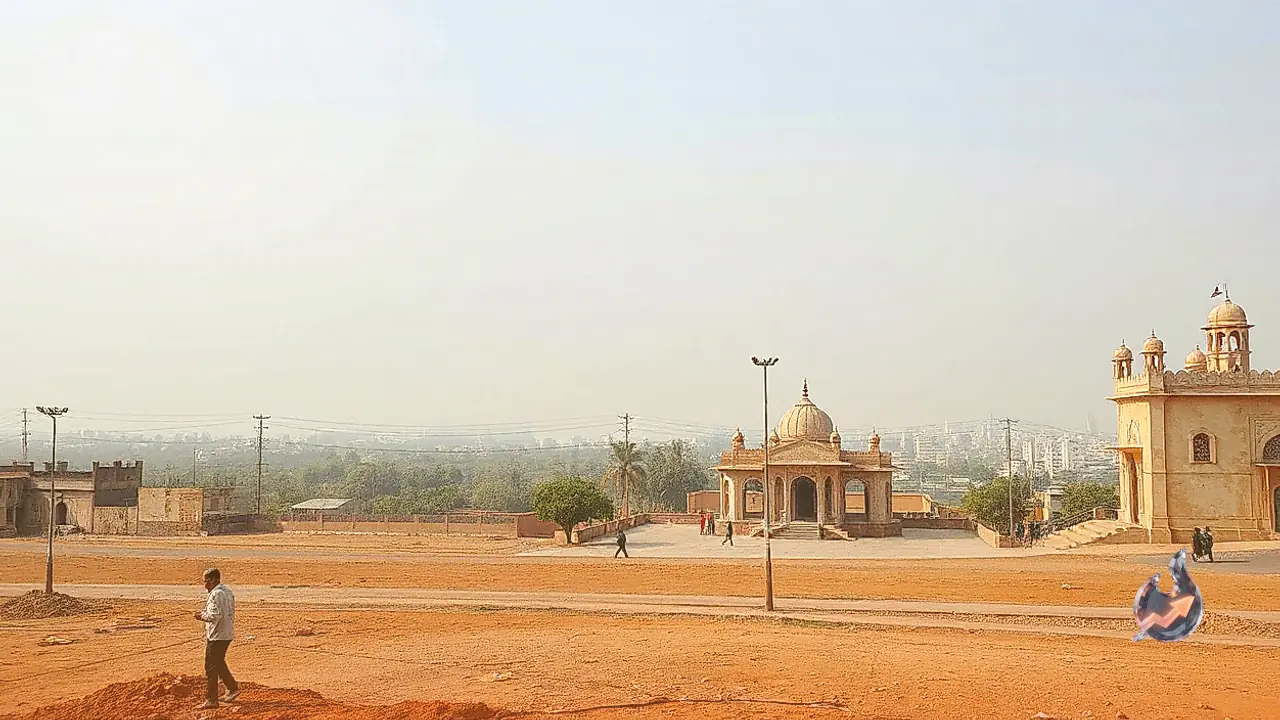















Situated roughly 5 to 6 kilometers away from the Jhunjhunu district headquarters, Abusar village hides a fascinating history behind its unique name alongside national recognition in the agricultural sector. Around the 18th century, a nomad leader named Abu ji established a settlement at this very location. According to local traditions, to celebrate the birth of his son, Abu ji commissioned a well to be dug so that passing travelers could quench their thirst. Over time, the settlement came to be recognized as Abusar, named directly after this historical well. Once serving as a regular resting place for caravans of wandering nomads, the village has transformed today into a prominent center for agricultural knowledge and modern farming techniques for local growers.
Origins Stemming from a Nomad Camp
According to local resident Narendra Abusariya, a nomadic caravan led by Abu ji was camped at this exact spot on a full moon night. During this encampment, his wife gave birth to a son, marking him as their fourth child. Overflowing with joy, Abu ji had a well dug with the primary objective of providing water to weary travelers along the route. Today, this well is locally known as Bodiya Kuan, and the belief that the village derived its name from it remains widely accepted. Historical references in the book 'Gatha Ek Gaon Ki' by Birbal Singh Abusariya note that in ancient times, this location served as a major rest stop for nomadic trading caravans traversing trade routes. The availability of water encouraged travelers to halt here, leading the area to gradually transition into a permanent residential settlement that expanded over the years.
National Recognition Through the Krishi Vigyan Kendra
Today, the foremost identity of Abusar is tied to the Krishi Vigyan Kendra established within its bounds. Set up on March 30, 1990, across a vast expanse of 72.20 hectares, this institution plays a pivotal role in teaching district farmers modern agricultural practices, superior seeds, and methods for achieving better yields at lower costs. According to Dr. Dayanand, the head scientist and in-charge of the center, the Krishi Vigyan Kendra secured the first position at the national level in seed production and income generation during the years 2006 and 2024. Research is actively conducted here on drought-tolerant crops requiring minimal water, such as pearl millet, mustard, cluster beans, and peanuts. Farmers also receive training in modern irrigation techniques, including drip irrigation, alongside field demonstrations that provide practical insights into new farming technologies.
A Village Excelling in Both Education and Agriculture
The identity of Abusar is not confined strictly to agriculture alone. Home to a population of roughly 5,000 residents, the village boasts a literacy rate of approximately 89 percent. Educational standards within the community remain notably high. Local accounts indicate that nearly every household has a graduate degree holder, and members of numerous families are employed in government and other prestigious professions. Meanwhile, farming continues to serve as the primary source of livelihood for the local populace, with pearl millet, wheat, chickpea, mustard, cluster beans, green gram, and moth bean forming the major crops. At present, the Abusar panchayat encompasses the villages of Durjanpura and Angasar alongside Abusar itself. According to panchayat administrator Rohitash Kumar, all three villages form integral parts of the local administrative area. The religious identity of the village is also deeply connected to the Netdada temple. Thus, the story of Abusar spans from a solitary well to a national platform of agricultural science, where nomads once stopped for water and rest, and where modern farming practices are now actively transforming the fortunes of farmers across the district.