


















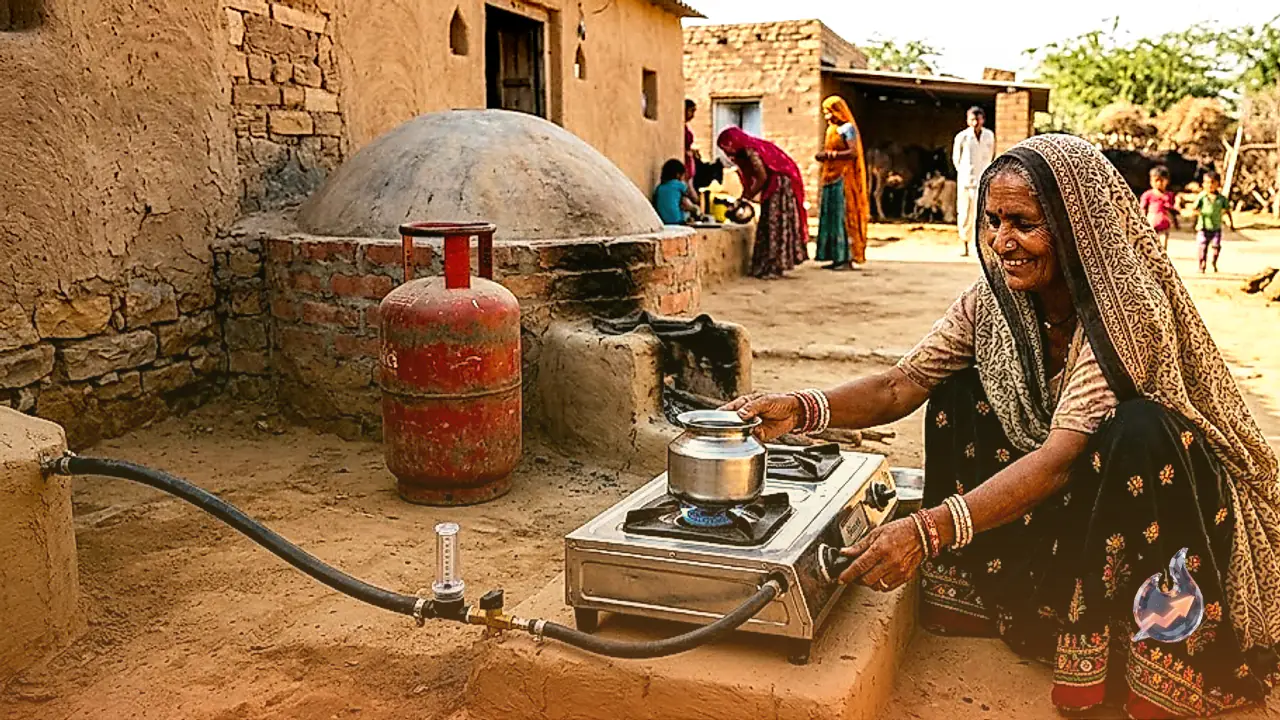

Across the rural stretches of Barmer district in Rajasthan, cattle dung that was once viewed merely as waste has transformed into a reliable alternative cooking fuel. Families are setting up localized biogas units to process cattle waste into household gas, utilizing it directly for daily meal preparation. This indigenous initiative has diminished household reliance on commercial LPG refills while putting an end to the persistent indoor air pollution associated with traditional firewood stoves.
Health and Financial Relief for Rural Households
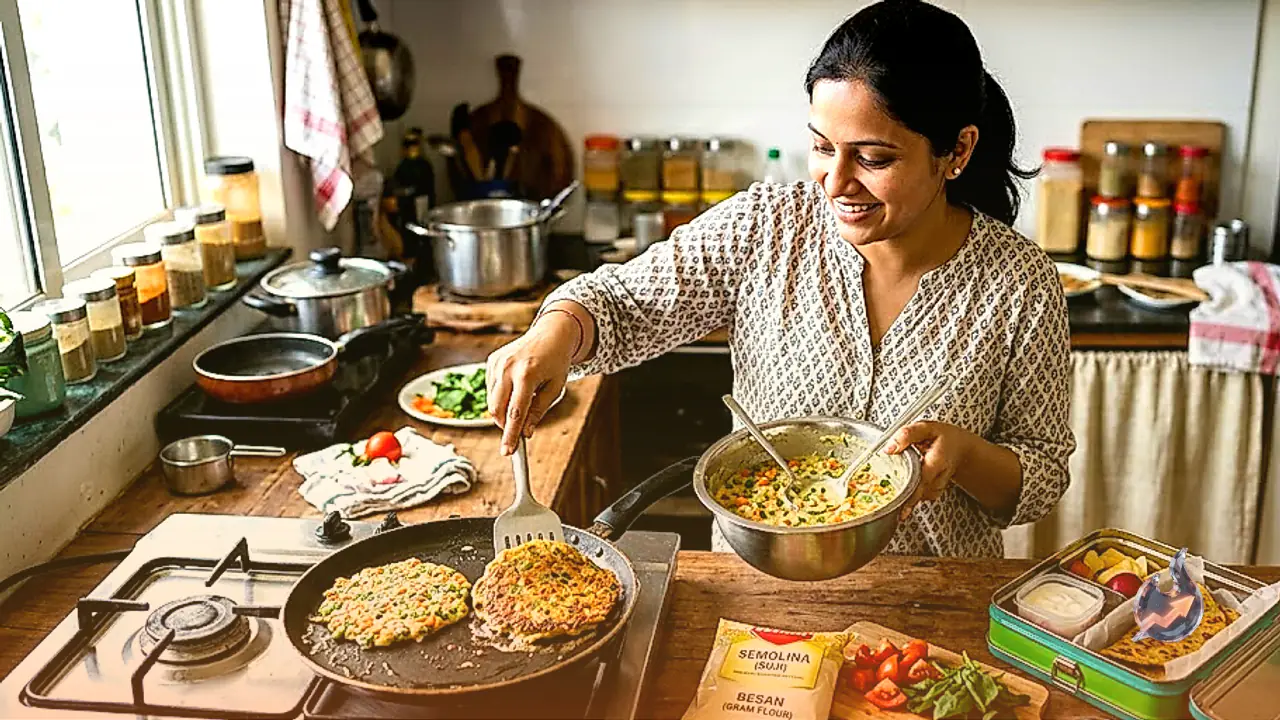
For generations, rural homemakers spent hours tending open wood-fired hearths amidst thick plumes of smoke that routinely triggered severe eye irritation and respiratory distress. The localized biogas setup has offered a clean way out of that routine discomfort. At the same time, household budgets often strained under rising market prices for commercial LPG cylinders. Relying on homegrown fuel has shielded families from recurrent fuel expenses without compromising cooking efficiency. Beyond household savings, residents also point out that the absence of high-pressure storage cylinders minimizes the hazards of accidental explosions or catastrophic fires in home kitchens.
Widespread Installation Across Barmer Localities
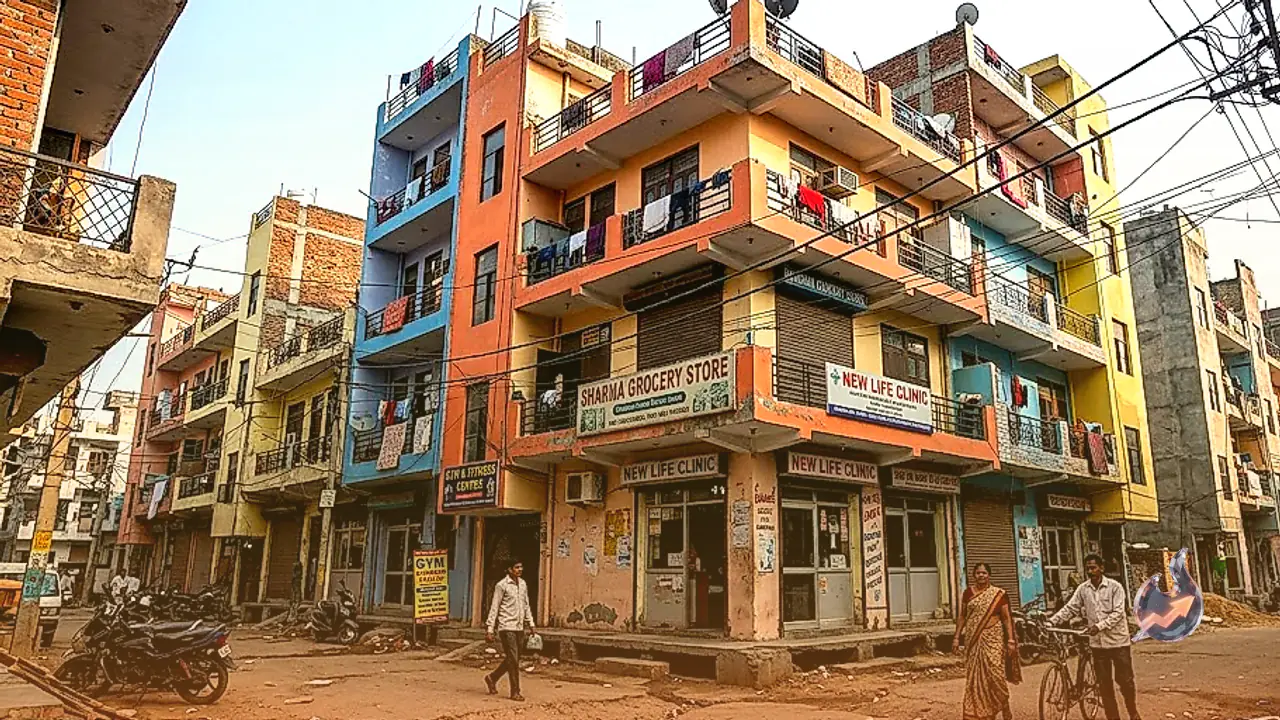
Numerous townships and settlements across the district have embraced this setup to power their stoves. Biogas units powered by cattle manure are operating in several localities of Barmer district, including Kitnoriya, Dhanau, Sedwa, Barmer town, Janpaliya, Bakhasar, Chohtan, Alamsar, and Dhorimanna, along with dozens of surrounding hamlets. Livestock owners throughout these areas collect waste from cows and buffaloes to ensure a steady supply of energy for their domestic needs.
How the Methane-Rich Gas Is Produced in Closed Tanks
The technical mechanism underlying the biogas setup relies on simple anaerobic decomposition. Cattle dung is blended with water and fed into an airtight plastic processing tank. In the complete absence of oxygen, microorganisms break down the slurry, releasing an inflammable gas that consists primarily of methane. The generated biogas is then channelled directly to kitchen stoves through dedicated pipelines, allowing families to cook complete daily meals just as they would on conventional gas stoves.
Grassroots Experience: Sangeeta on the Practical Shift
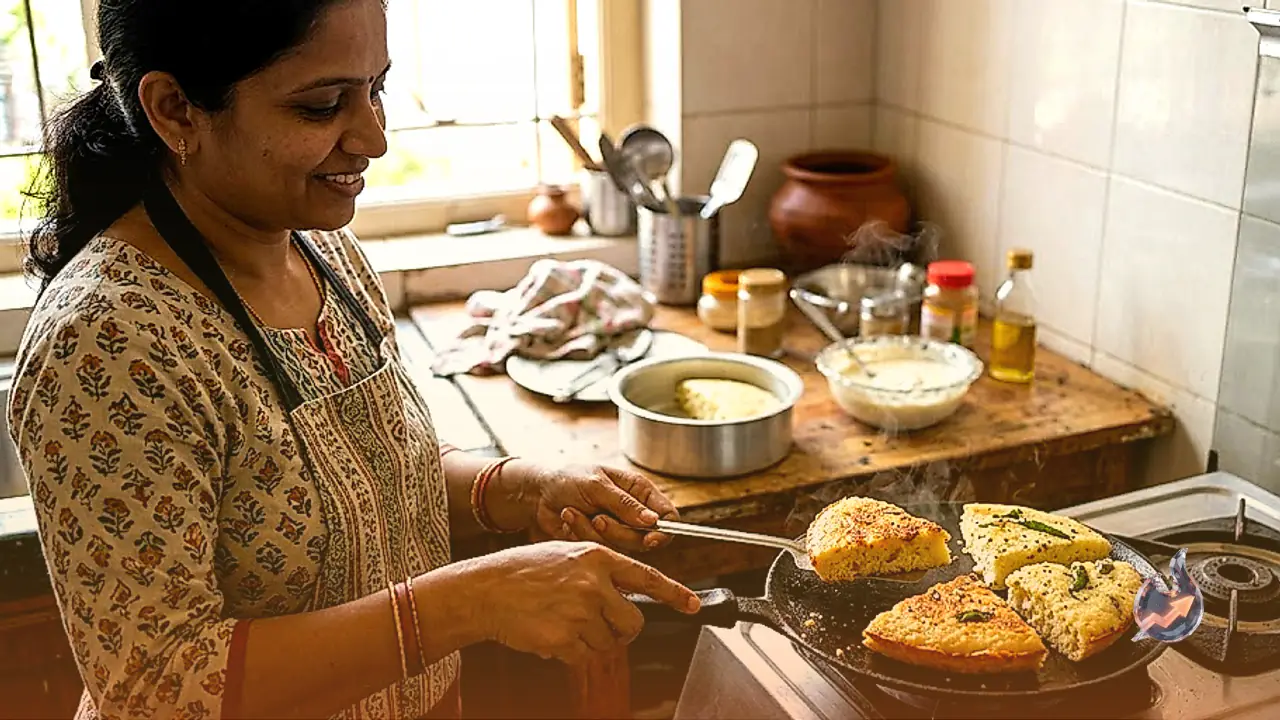
Sharing her firsthand experience, Janpaliya resident Sangeeta explained that cooking over firewood formerly meant coping with continuous smoke that stung the eyes and disrupted daily domestic life. Later, the climbing cost of commercial LPG cylinders placed pressure on the family's financial resources. The installation of a biogas plant utilizing cow and buffalo dung has drastically brought down preparation costs while reliably feeding the entire family. Furthermore, she observed that eliminating pressurized cylinders removes anxiety regarding leaks, unexpected fires, or cylinder blasts during daily chores.