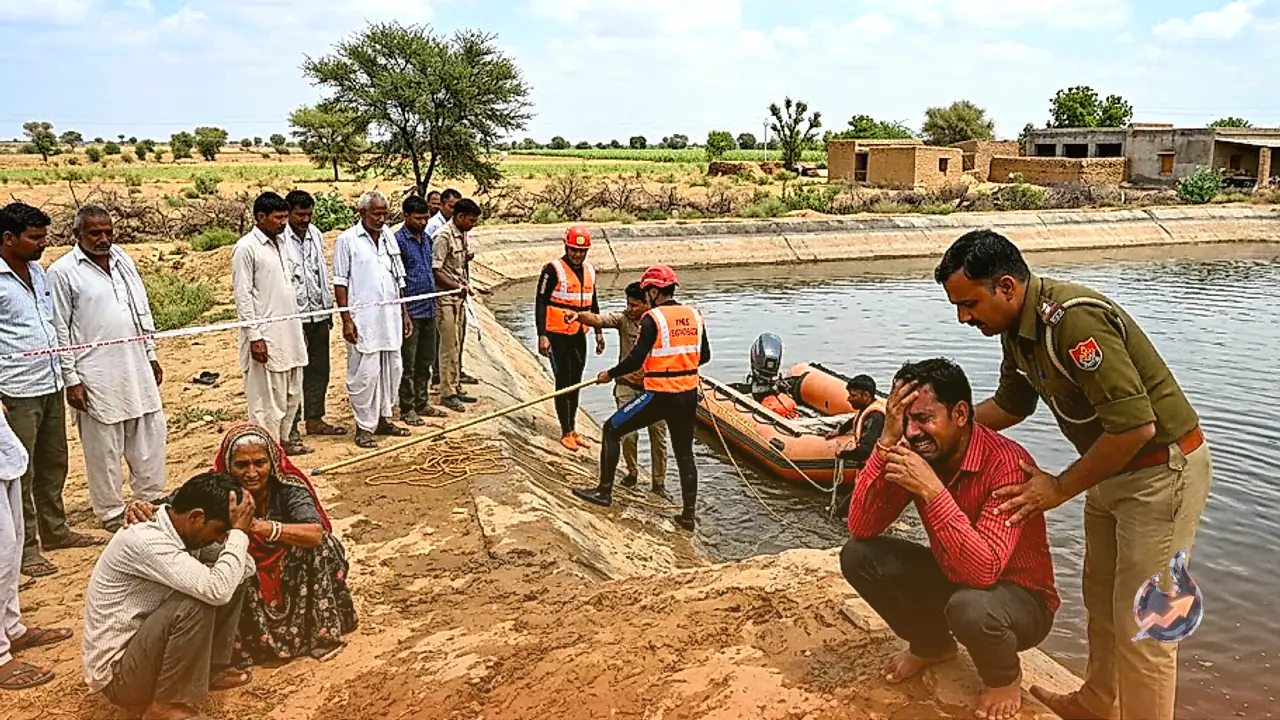






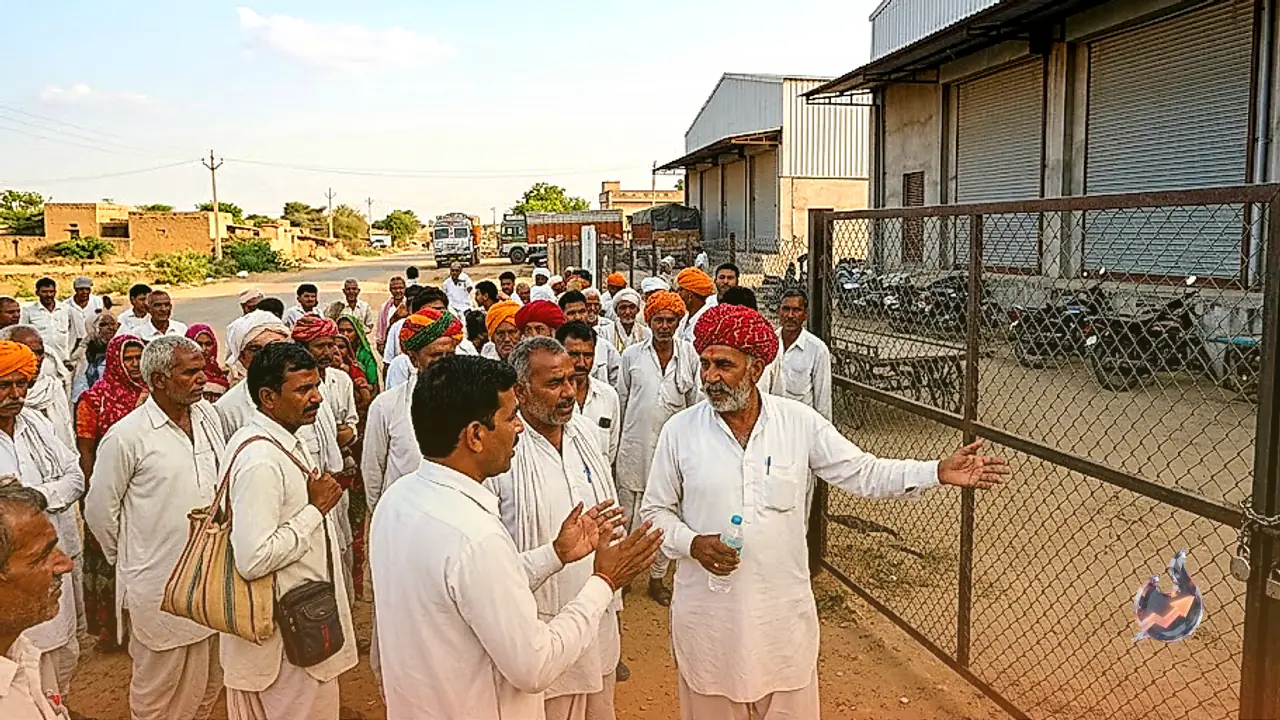














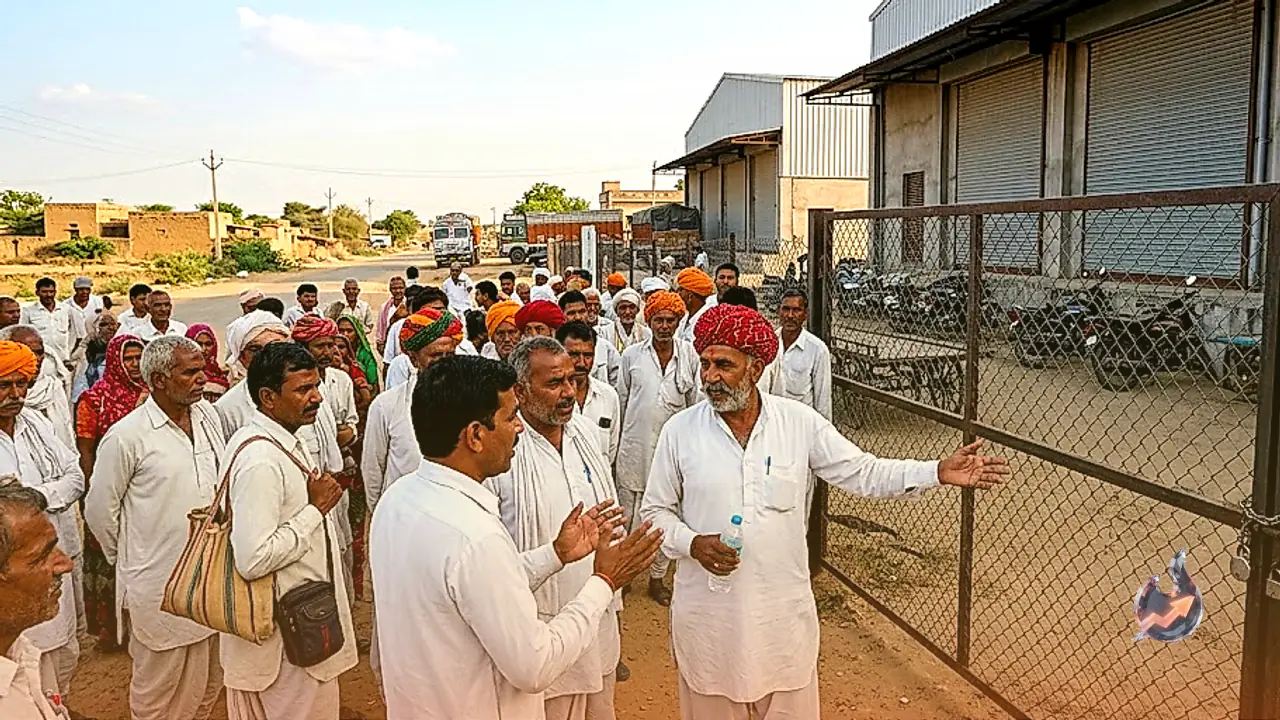

Agitation over the availability of canal water for agricultural land has intensified across the Khajuwala belt and neighboring rural territories of Bikaner district in Rajasthan. Demanding a permanent and predictable water regulation framework for the crucial Rabi crop cycle, local cultivators have expanded their demonstrations. The brewing discontent triggered a widespread shutdown of four major agricultural trade markets in the region, with merchant bodies downing shutters in solidarity with the farming community.
Complete Shutdown Across Four Key Mandis with Merchant Backing
The collective strike brought commercial operations to an absolute standstill in Khajuwala, Rawla, Gharsana, and Anupgarh. Trading activities at local grain markets ground to a halt, and general bazaar storefronts remained shuttered throughout the day. The complete cooperation of local traders and business associations left key market streets deserted, reflecting widespread regional backing for the farmers' water security demands.
Midnight Negotiations with Chief Engineer Break Down
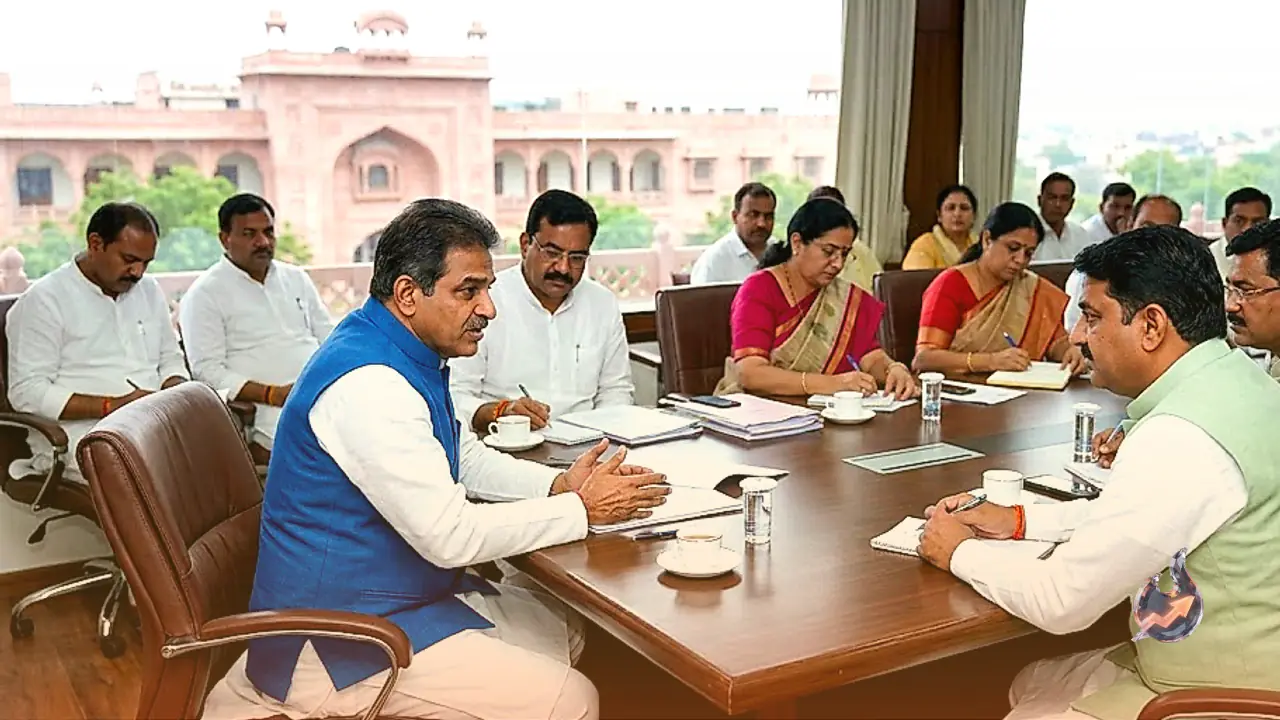
At the center of this escalating standoff is the demand for a permanent canal water regulation schedule tailored to the upcoming Rabi planting season. In an attempt to defuse tensions, farmer representatives engaged in extensive negotiations with the department's Chief Engineer late into the night. However, the multi-hour discussions concluded without reaching any common ground or resolution, leaving the cultivators deeply dissatisfied with the administration's stance.
Gharsana and Anupgarh Emerge as Protest Hubs Before September 24 Action
Following the collapse of official dialogue, farmer leadership asserted that their agitation will persist until an enduring solution to the irrigation problem is formalized. The belts of Gharsana and Anupgarh have become the focal epicenters of the agitation, hosting continuous strategy sessions among village councils and farmer groups. To mount decisive pressure on regional authorities and the state government, organizers have officially called for a coordinated vehicular blockade on September 24, setting the stage for heightened public disruption across major travel arteries.