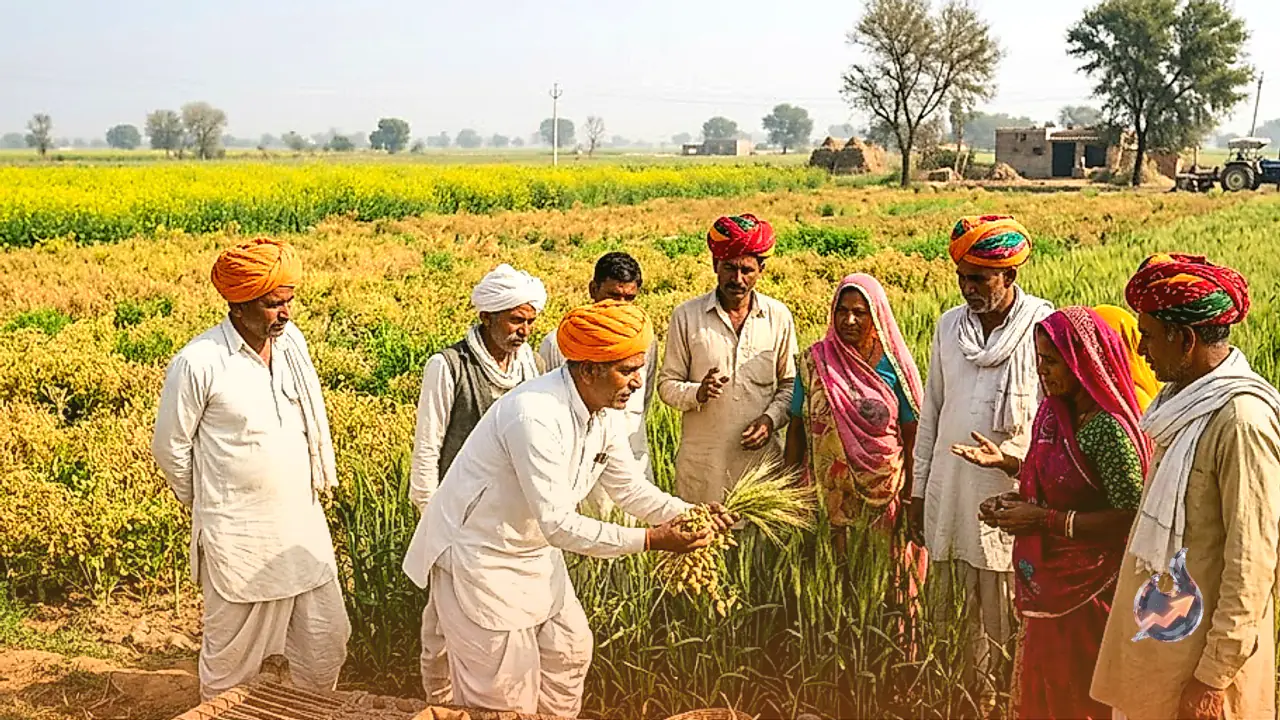





















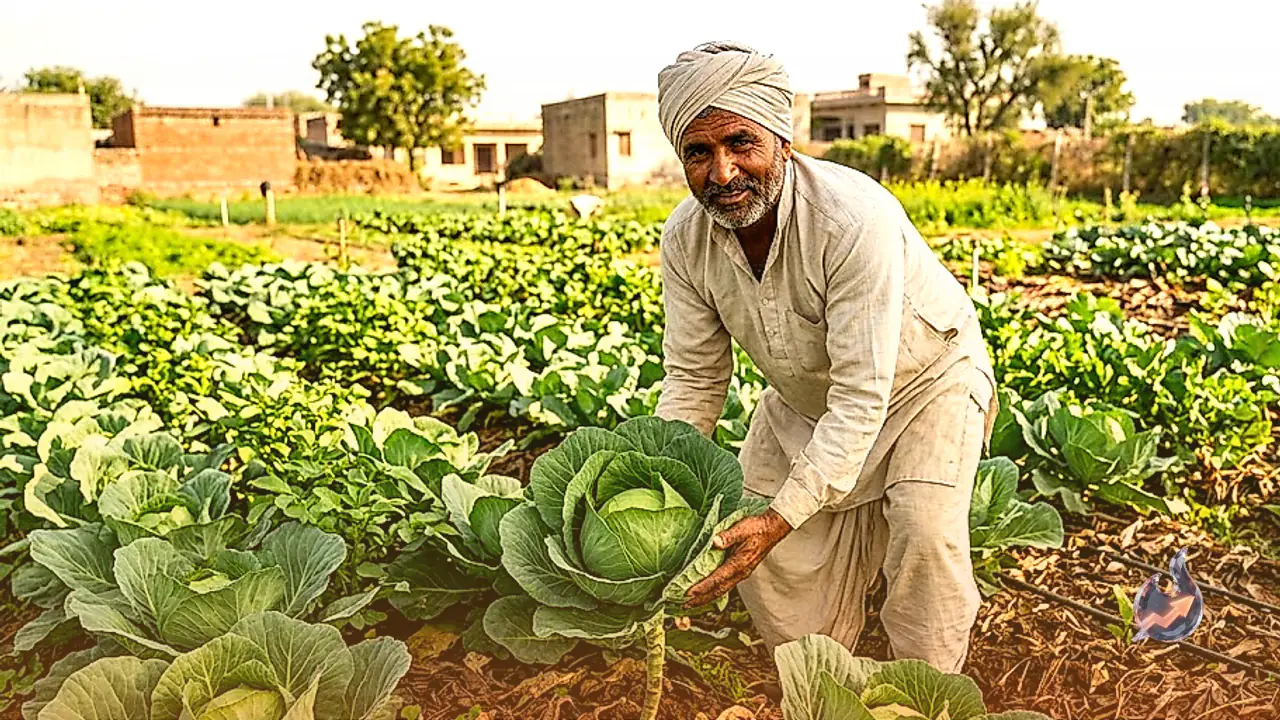

A remarkable transformation is taking place in the agricultural landscape of Israwala village within the rural belt of Jaipur, Rajasthan, where local farmers are increasingly turning toward organic farming. Progressive farmer Shaitan Singh has been successfully cultivating cabbage using purely organic methods for several years. Alongside cabbage, he also grows cauliflower, broccoli, ridge gourd, and other seasonal vegetables according to the time of year. According to the farmer, practicing organic agriculture helps significantly cut down the heavy expenses usually incurred on chemical fertilizers and pesticides, thereby lowering overall production costs and creating opportunities for much better profit margins.
Diverse crop selection and seasonal planning
Farmer Shaitan Singh explained that he has spent many years growing vegetables organically, carefully selecting his crops based on weather conditions and soil characteristics. While cabbage remains a core crop in his fields, he also cultivates cauliflower, broccoli, ridge gourd, and various other seasonal vegetables to ensure continuous cultivation throughout different periods of the year. He emphasized that organic farming requires meticulous attention to crop care, soil health maintenance, and proper irrigation practices. Timely execution of agricultural tasks and supplying appropriate nutrition based on the specific needs of the plants helps achieve superior yields. The farmer believes that combining traditional experience with modern agricultural techniques can consistently deliver exceptional results.
Cabbage cultivation spanning hundreds of acres
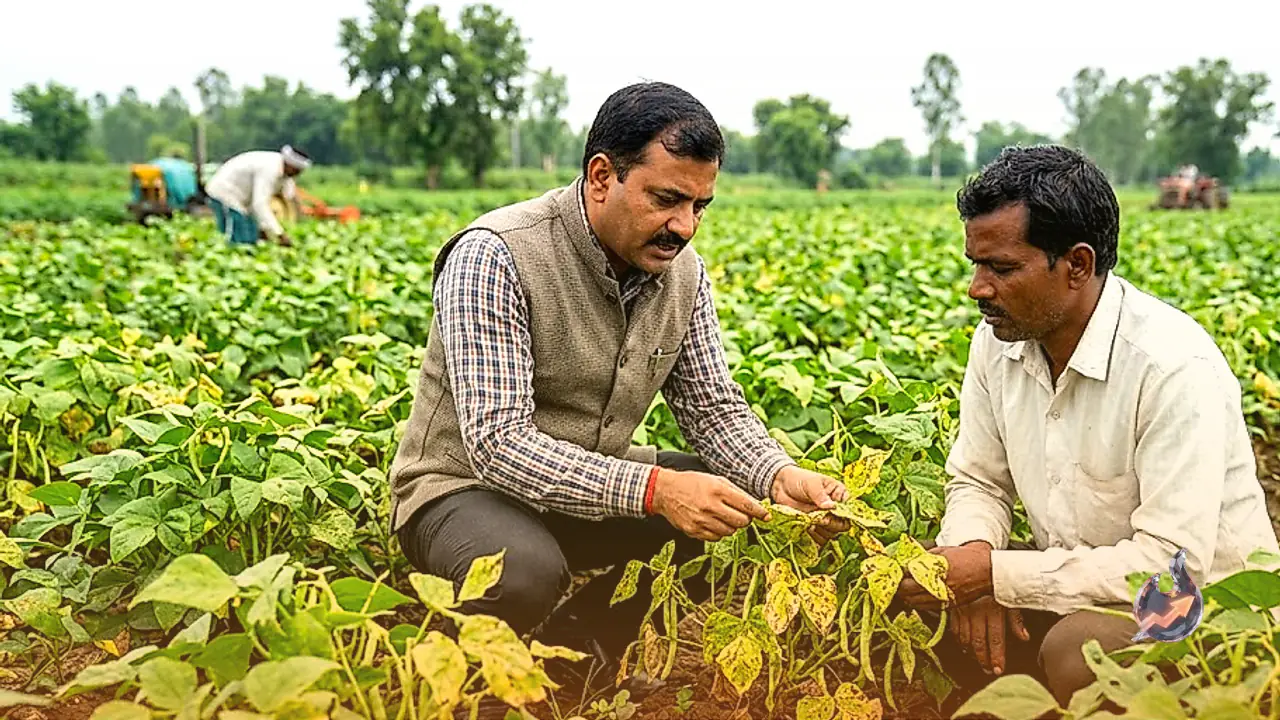
A large number of farmers in Israwala village and surrounding regions are actively engaged in cultivating cabbage, turning the crop into a vital source of income and livelihood for the area. Vegetable farming allows growers to efficiently utilize their land and available water resources. Achieving a robust cabbage harvest requires careful field preparation, maintaining adequate spacing between plants, timely irrigation, and regular monitoring of the crop. If pests or diseases appear, taking prompt and appropriate remedial measures is essential to protect the harvest from significant damage and ensure steady production.
Focus on reducing input costs and improving quality
Farmer Shaitan Singh noted that minimizing expenses while maintaining high produce quality is crucial for modern agricultural success. Utilizing farmyard manure, compost, and other approved organic solutions can greatly improve soil health. Even in organic farming, proper nutrient management and disease prevention tailored to crop requirements remain vital. He pointed out that if farmers plan their cultivation by carefully evaluating their soil composition, local weather, and water availability, they can achieve far superior outcomes. Furthermore, understanding market demand and sales potential before launching vegetable production is an important step for long-term success.
A promising pathway for the farming community
The practical experience of growing organic vegetables in Israwala village serves as a valuable example for other agriculturists in the region. By adopting organic practices suited to their specific circumstances, farmers can work toward lowering input expenses and preserving long-term soil fertility. Achieving this successfully requires sound farming strategies, timely crop management, and a strong awareness of market dynamics.