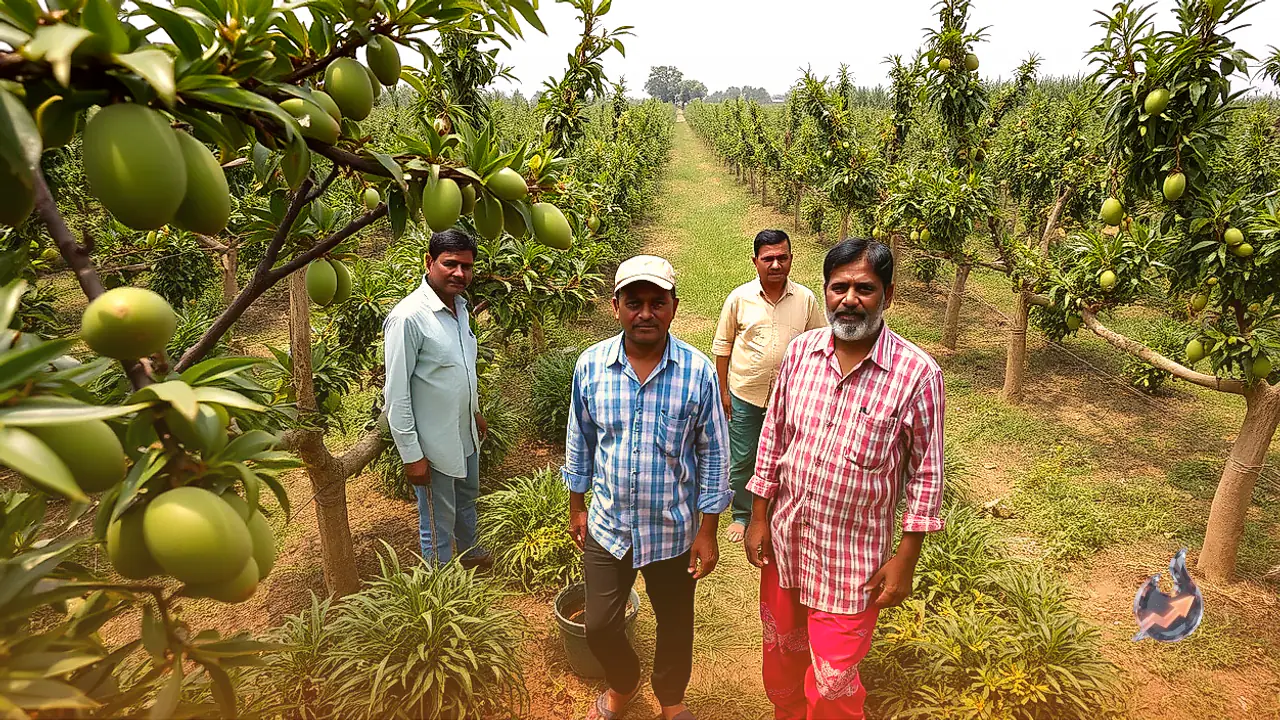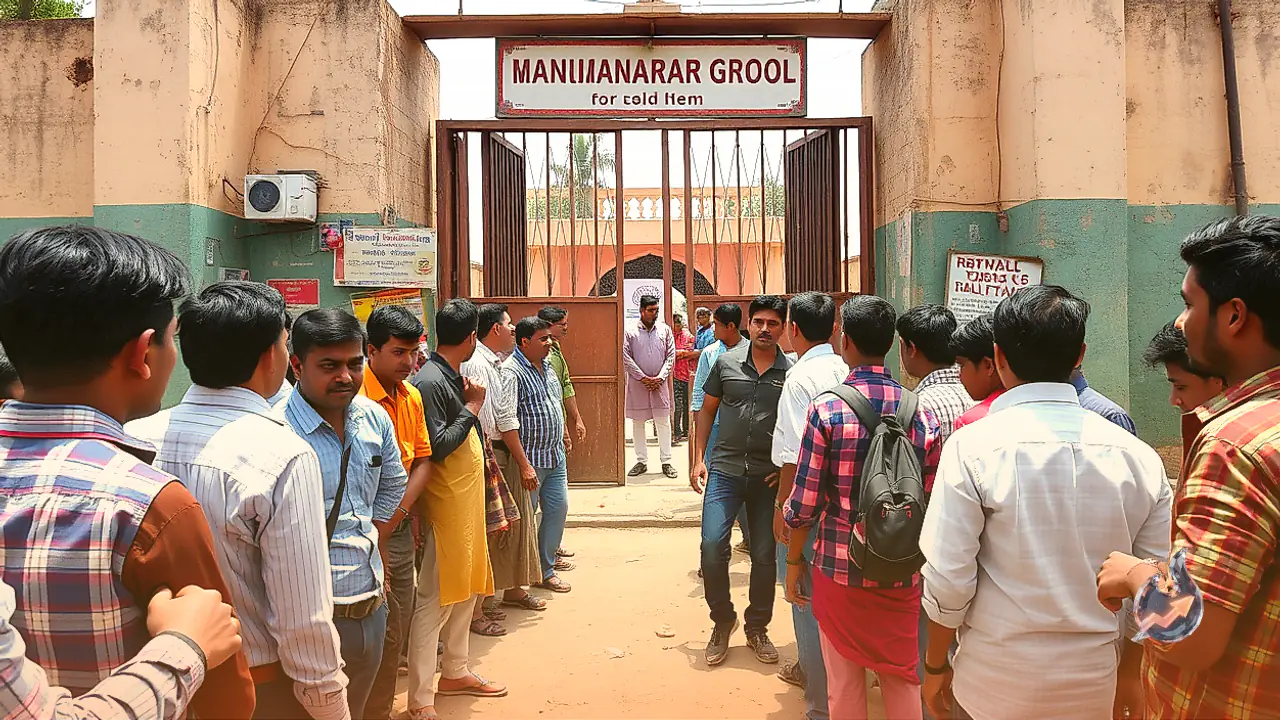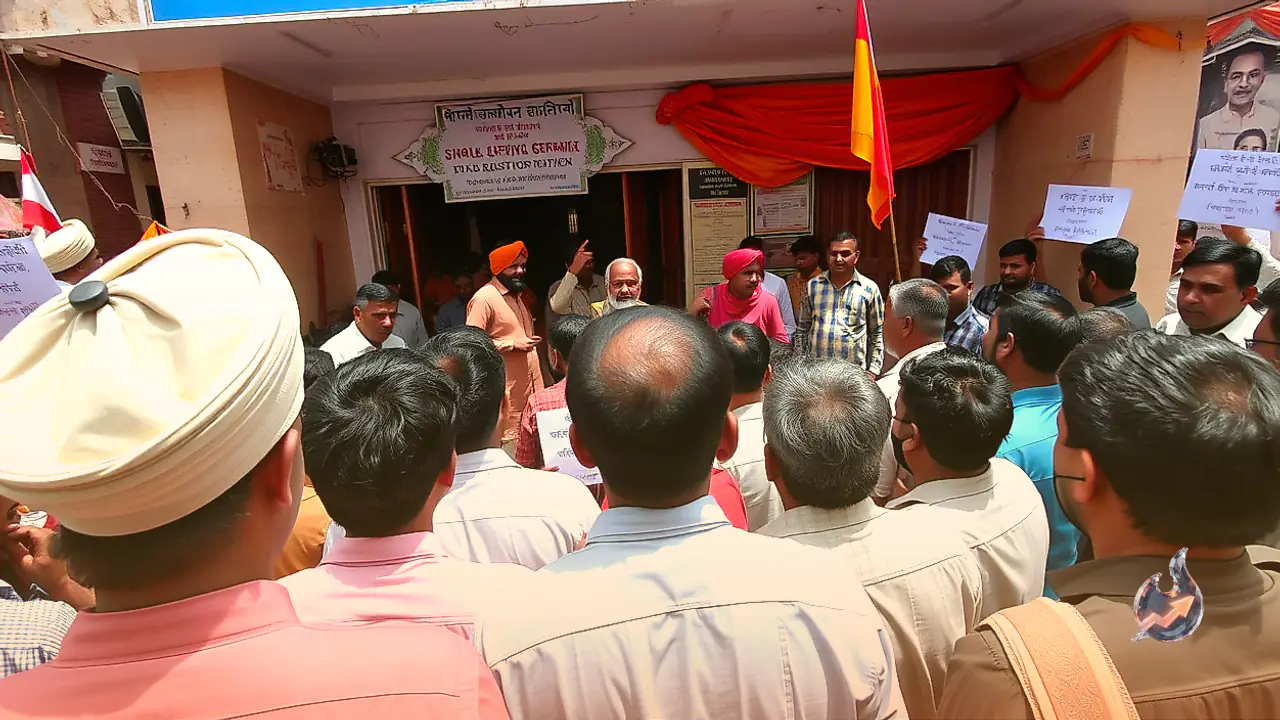

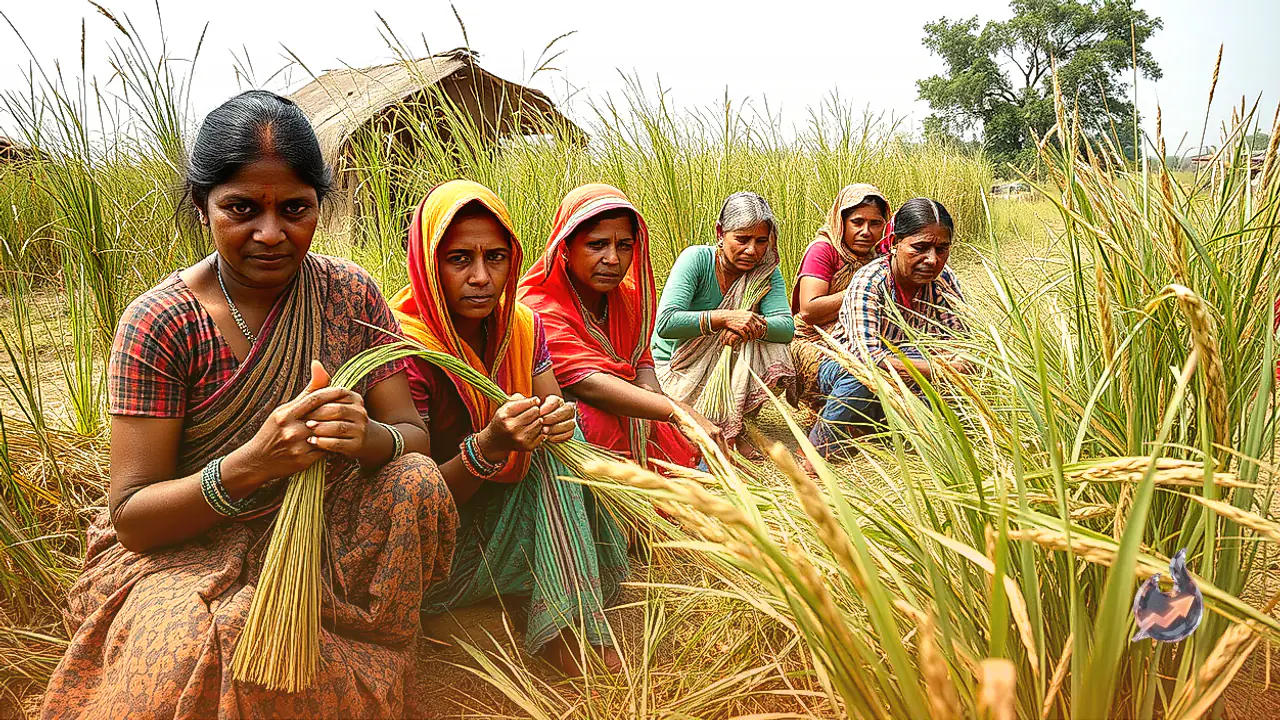



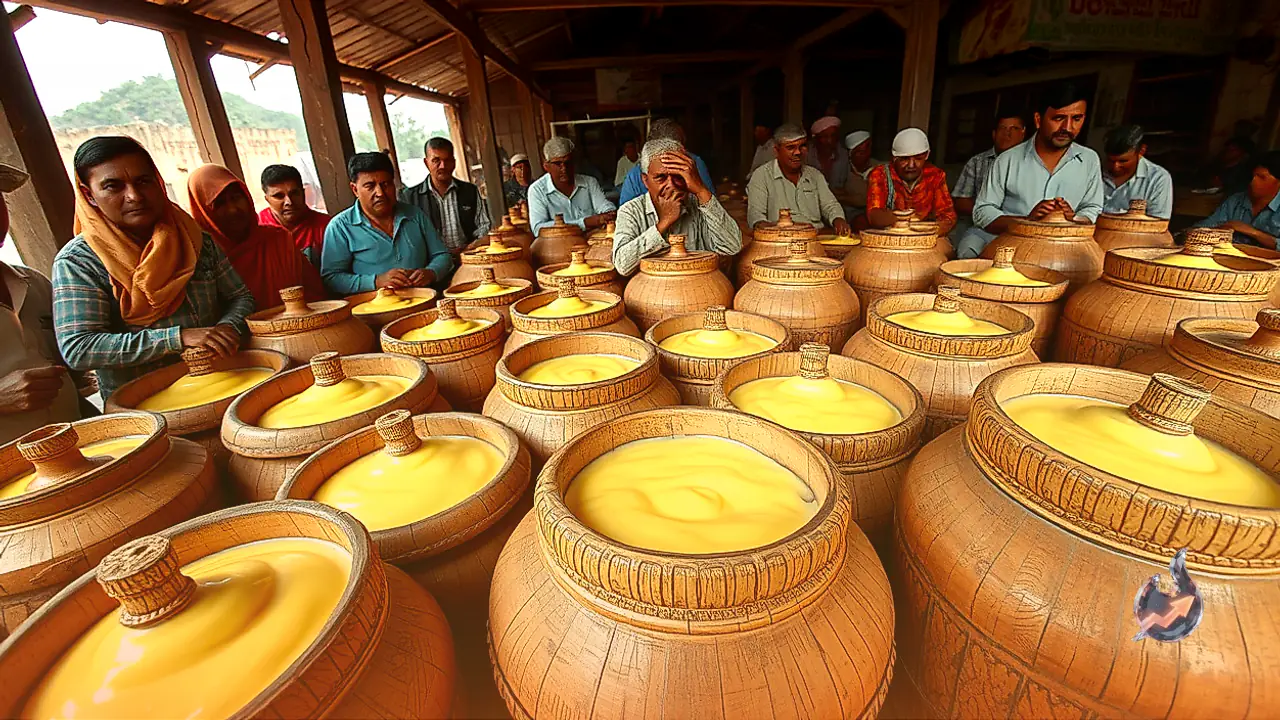

















A government initiative designed to expand edible oil processing and integrate farmers directly into agro-based manufacturing has been rolled out in Bharatpur district. Under this assistance scheme, agricultural growers and local entrepreneurs can establish their own processing facilities with financial subsidies provided under departmental guidelines. The program aims to move beyond raw harvest trading by establishing functional post-harvest processing infrastructure within the rural belt.
Application Pipeline and Administrative Approvals
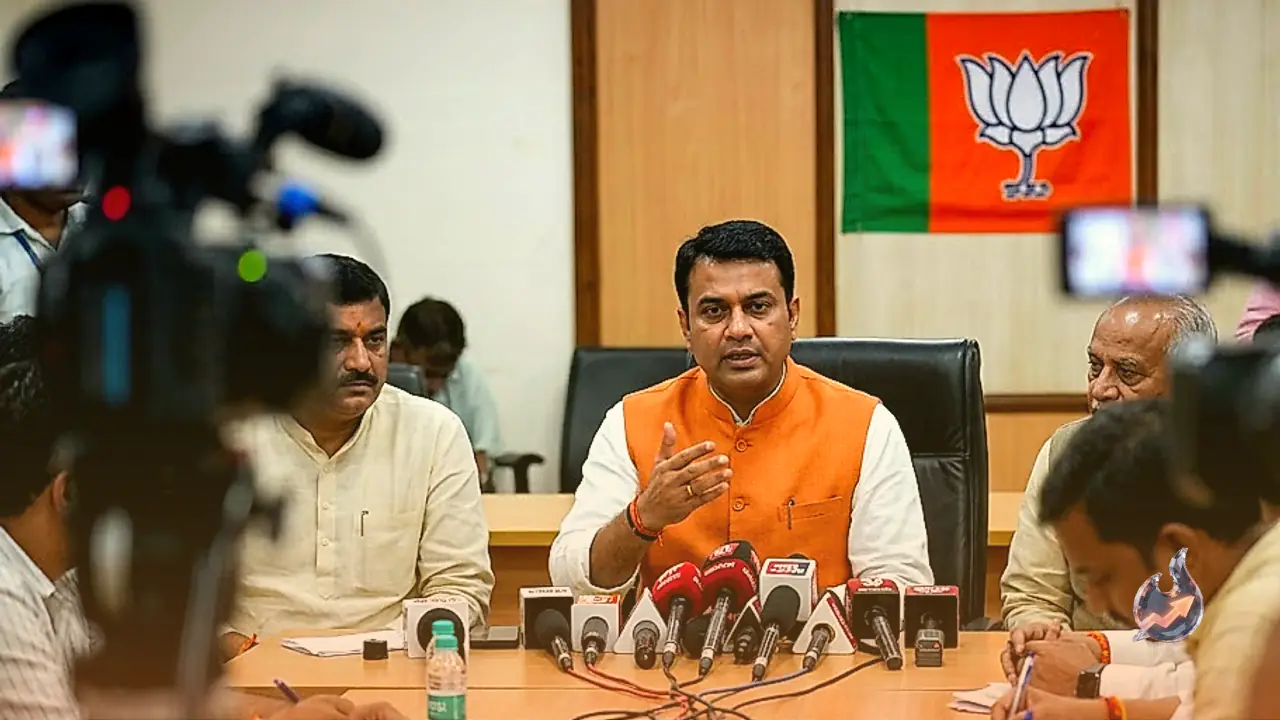
A specific operational target has been fixed for processing unit installations across the district. According to Agriculture Department official Radheshyam Meena, applications submitted for these ventures will undergo an initial assessment at the local administrative stage. The proposals must first be submitted for formal clearance before the District Collector. Once approved at the district level, the files will be forwarded to the directorate for higher administrative sanction, which serves as the final clearance required before setting up the operational mill.
Capacity Standards and Machinery Requirements
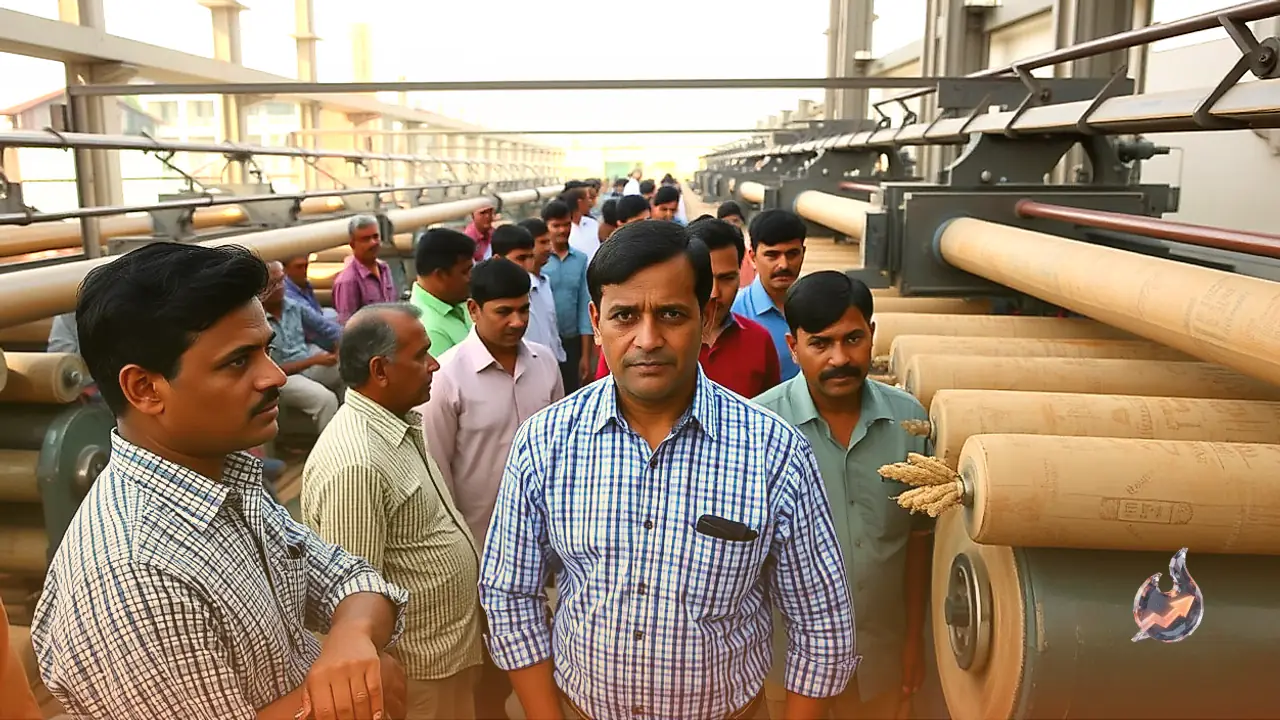
The program permits eligible applicants to establish oil processing units with a capacity of 10 metric tons. Beneficiaries will have the flexibility to install various categories of extraction equipment suited for commercial processing.
- Power-Operated Systems: The units can incorporate industrial electric machinery for seamless extraction.
- Expeller Setup: Standard seed expellers designed for crushing oilseeds can be acquired under official guidelines.
- Associated Equipment: Supporting gear required for filtration, collection, and allied processing stages will be permitted in compliance with departmental specifications.
Equipment procurement must strictly adhere to the technical parameters set by the department. Authorities have indicated that should the volume of applications surpass the initial district allocation, the directorate may examine proposals to sanction an expanded quota for the region.
Value Addition and Employment Potential
Setting up localized processing hubs enables farmers to undertake post-harvest value addition rather than selling raw seeds at base commodity prices. This shift can improve profit retention in farming communities while simultaneously creating technical and manual job openings across rural supply chains. Prospective applicants are advised to verify the exact subsidy sums, qualification norms, paperwork requirements, and deadline dates directly with the Agriculture Department, as sanctions remain contingent upon official regulations and designated quota limits.