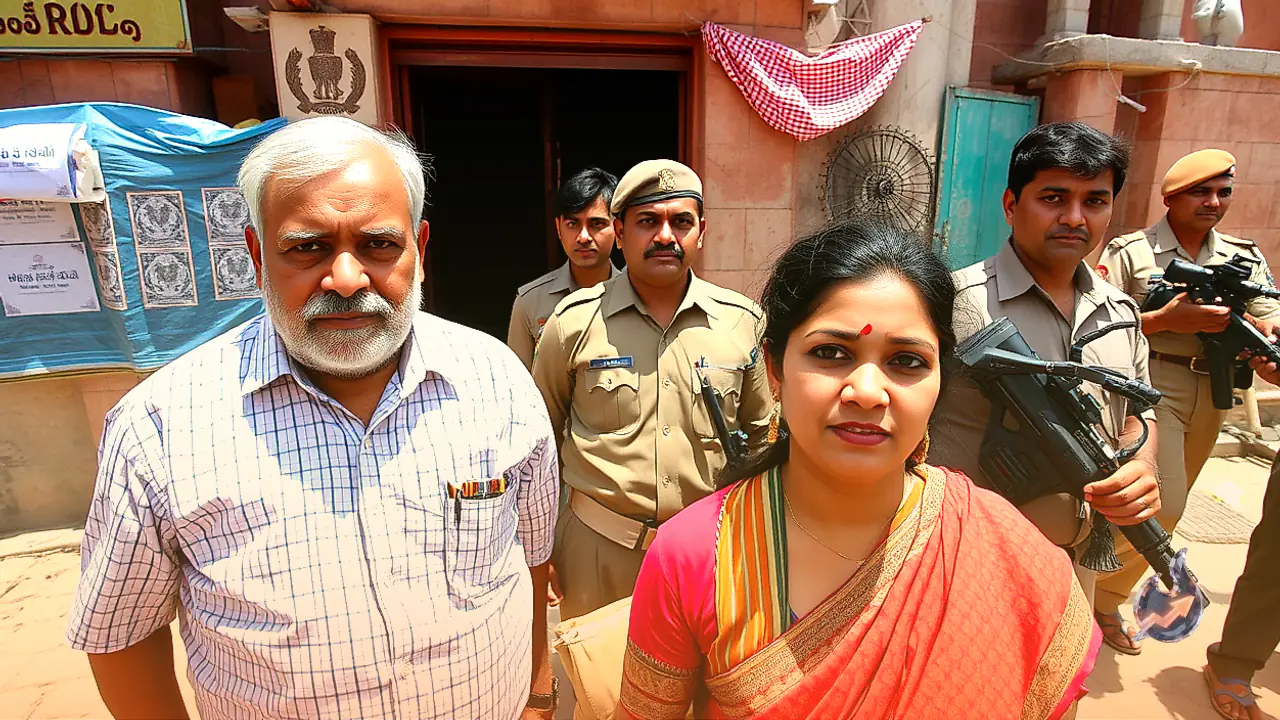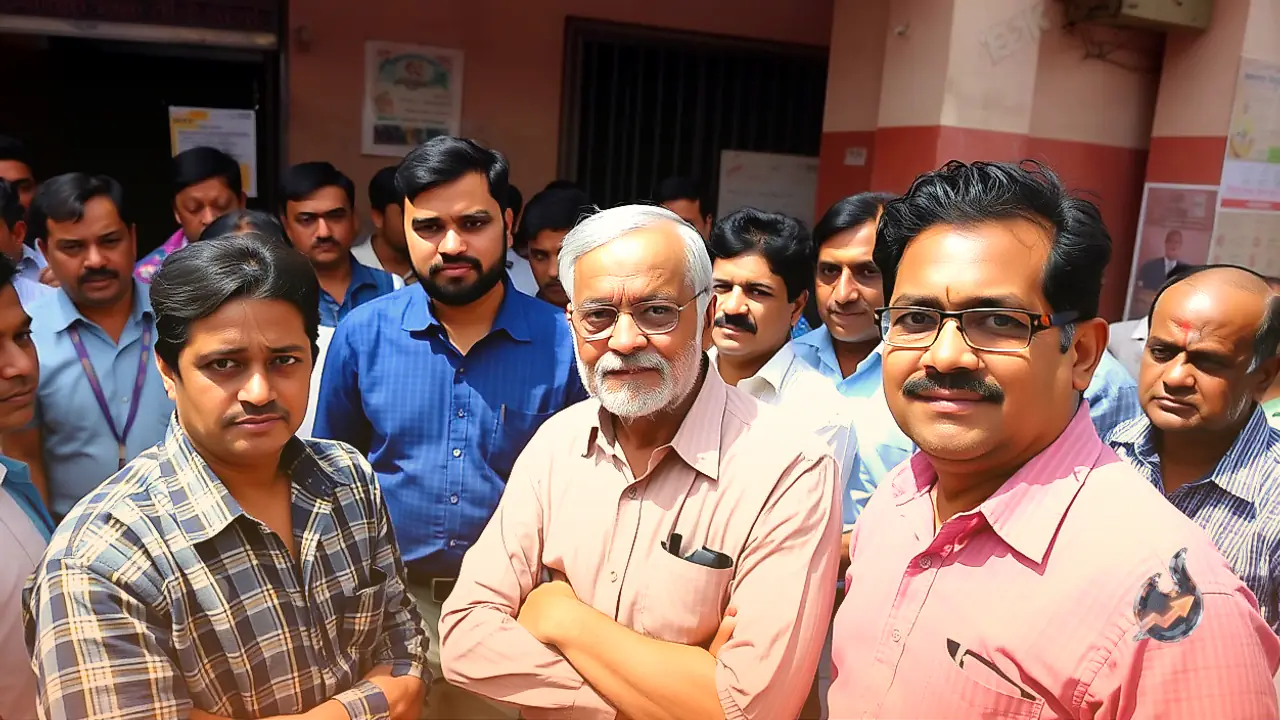














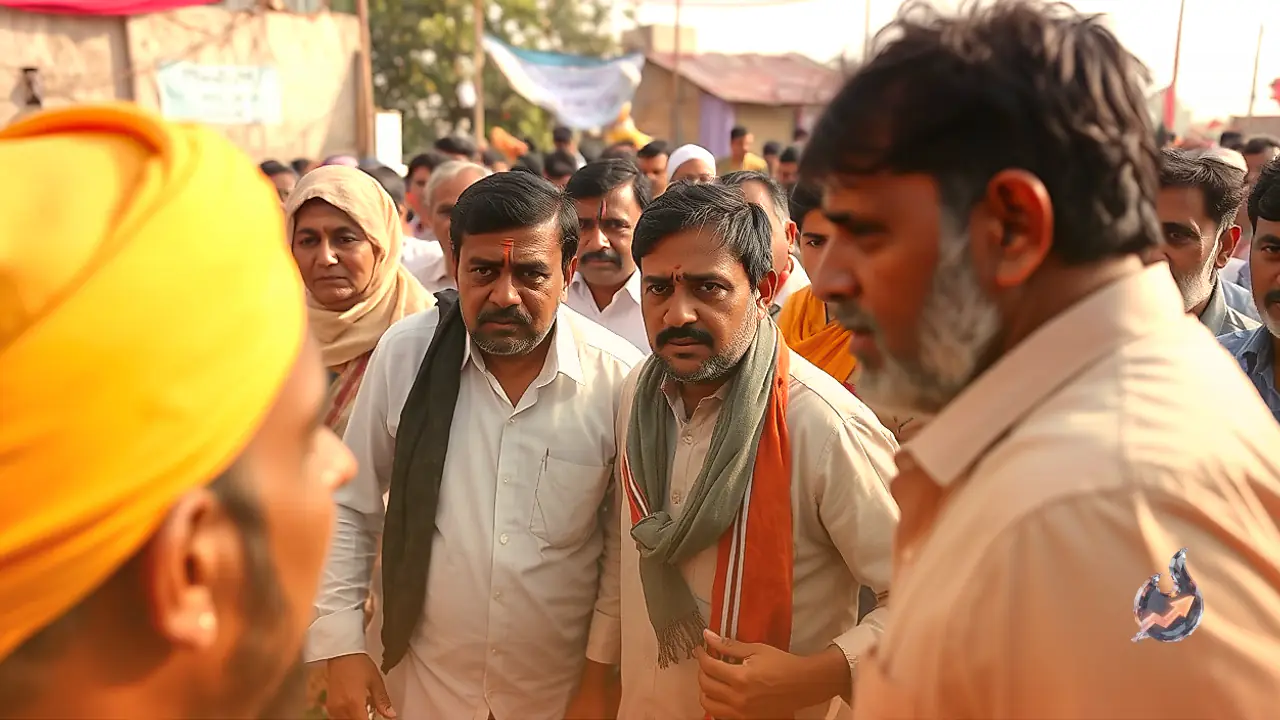

The arrival of Panchayati Raj elections in Rajasthan has pushed the political temperature in rural areas to new heights. While prospective candidates are busy strengthening their claims, the long-standing practice of senior leaders and ministers pushing their relatives into the electoral fray has ignited a fierce debate. A pressing question has emerged over whether political preference should exclusively favor family members of established leaders or extend to ordinary workers who have spent years toiling at the grassroots level. Addressing this sensitive issue, ordinary citizens and local representatives in Bhilwara shared their unfiltered views during recent conversations.
Strong Opposition From Local Organizers
Kailash Soni, president of Rajasthan Jan Manch and a local businessman, labeled the practice entirely wrong. He stated that while no one should object if a prominent leader chooses to contest personally, politicians demanding tickets for their spouses, children, or relatives by leveraging their influence is completely improper. He emphasized that party workers who pour day and night into strengthening the organization, follow its ideology, and carry banners deserve the tickets rather than having their rights snatched away by the relatives of powerful figures. Tickets should consistently go to those who sweat it out on the ground.
Shattering the Trust of Workers
Sanjay Sen, a representative of the Sen community, stressed that this tradition of handing out tickets to relatives must be completely halted. He explained that when dedicated individuals who support the party heart and soul at the ground level are sidelined in favor of a family member, the trust of workers wavers deeply. Failing to receive recognition after years of loyal service breeds profound disappointment, gradually leading to disillusionment with the organization.
Marginalization of the Ordinary Worker
Youth leader Lokesh Basita expressed deep anguish by pointing out that ordinary workers have been reduced to mere crowd-gatherers or logistical help. Workers go door-to-door to build the vote bank and help leaders secure legislative positions, yet face heavy exploitation when ticket distribution time arrives. He alleged that individuals pulled straight from air-conditioned rooms and handed tickets have never faced real struggles for the organization. They simply enjoy the benefits of power and move on, ruining the political careers of grassroots workers and stalling local development projects.
Impediments to Development and Growing Public Anger
Gaurav, a local trader, argued that the legacy practice of favoring relatives is entirely unjust. When individuals belonging to families of former MPs, MLAs, or ministers are repeatedly recycled, grassroots workers never get an opportunity to rise. This political stagnation fuels rising public anger as local issues fail to reach higher platforms, creating major hurdles in developmental work. The public now desires an end to nepotism so that hardworking, grounded workers can receive opportunities to drive fresh momentum into regional development.