


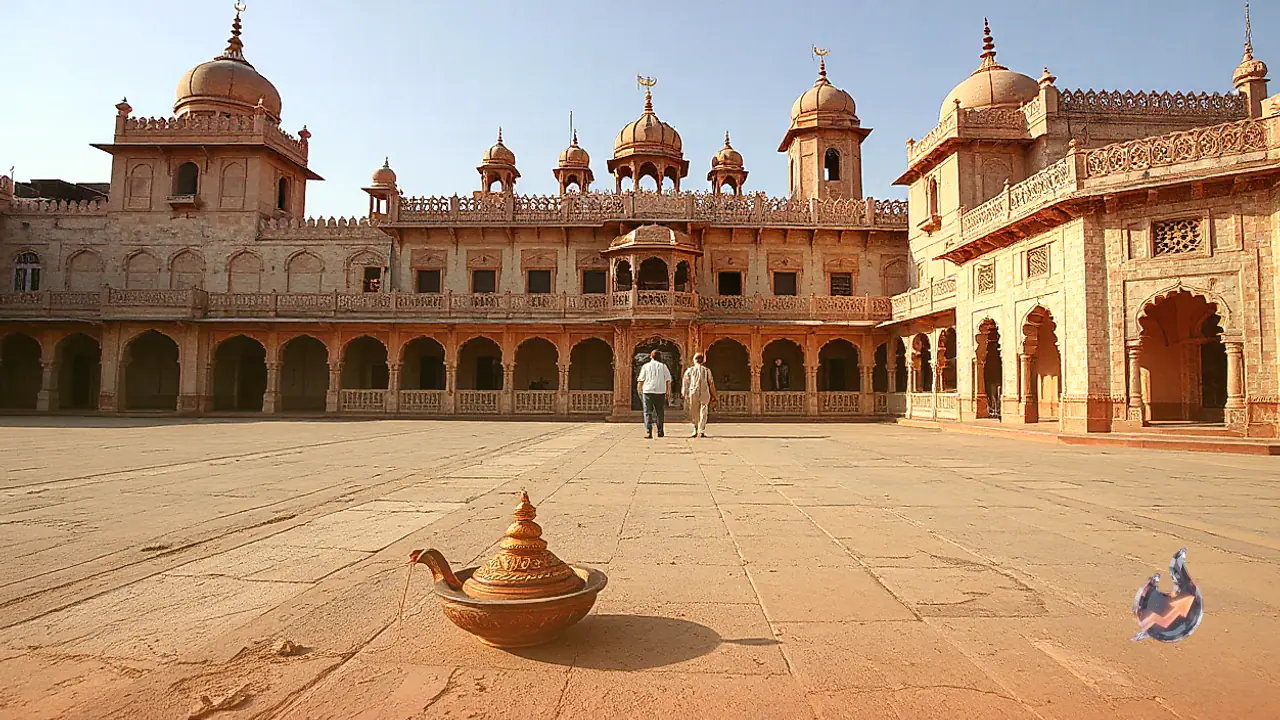














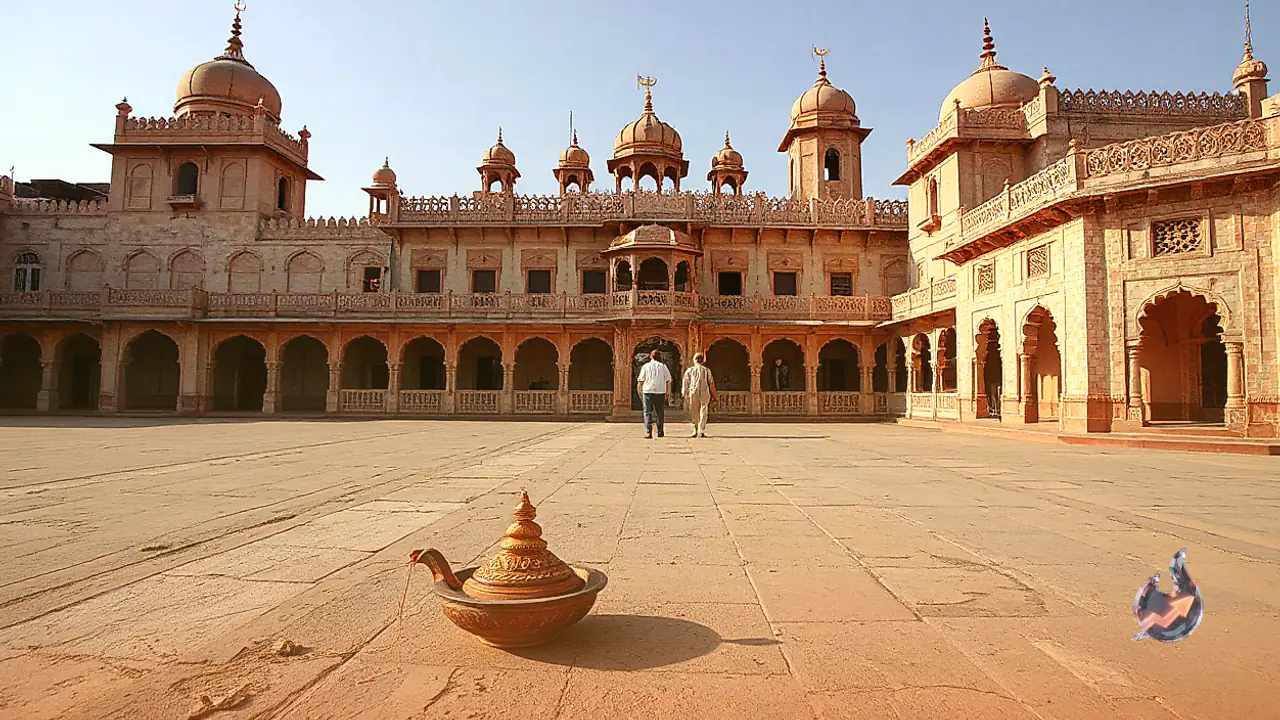

In Bikaner, a unique and traditional sweet that appears in local markets during the festive season of Diwali has once again captured widespread attention. Featuring an elaborate structure resembling a palace, a playful toy-like shape, and a sweetness that allows it to remain edible and fresh for an entire year without spoiling, this remarkable delicacy stands out from ordinary confections. Known as Mahal Maliya, this special sweet is not merely an item for consumption, but a living representation of Bikaner's centuries-old heritage and deep-rooted faith associated with Laxmi Pujan. Even though modern markets today are flooded with countless expensive and contemporary varieties of sweets, Mahal Maliya continues to hold a distinct and special place in people's hearts due to its remarkable simplicity and traditional identity.
Prepared Exclusively During the Festive Days of Diwali
One of the most defining characteristics of this unique sweet is that it is not produced throughout the year. Instead, it is crafted only for a brief period around the festival of Diwali. As the festive season approaches, local artisans begin preparing this traditional delicacy, leading to a sharp surge in its demand among residents. Local shopkeeper Pappu Joshi explained that Mahal Maliya is primarily utilized as a ritualistic offering during Laxmi Pujan on Diwali. Since ancient times, there has been a strong tradition in Bikaner of offering this specific sweet to Goddess Lakshmi to seek prosperity and blessings. In earlier eras, this traditional delicacy was specially crafted for worship ceremonies. Although many new varieties of sweets have entered the market over time, the cultural importance of Mahal Maliya remains entirely unchanged.
Toy-Like Appearance and Distinct Preparation Method
The visual structure and the method of preparing Mahal Maliya make it remarkably different from other confections. Visually, it resembles a miniature palace or a child's toy, instantly drawing attention with its intricate design. Made entirely from pure sugar, the sweet also incorporates a single cardamom seed nestled within a makhana, or fox nut. Its traditional and artistic form gives it a unique identity that separates it from standard market sweets. This is precisely why people eagerly purchase it specifically for Laxmi Pujan during Diwali. Pappu Joshi noted that making this sweet does not require an extensive amount of time. According to him, preparing roughly one and a half to two kilograms of Mahal Maliya takes about 15 minutes, but because it is available exclusively during the festive window, consumer demand spikes significantly.
Remarkable Shelf Life and Long-Lasting Freshness
Another major highlight of Mahal Maliya is its extraordinary capacity to remain preserved for long periods. Artisans point out that the sweet can be kept for an entire year without going bad. In older times, when modern preservation techniques and refrigeration facilities were limited, this specific durability attribute was considered extremely useful by households. Because of its affordable price and easy availability, it has historically remained a favorite among ordinary citizens. Children from older generations also consumed this sweet with great enthusiasm and joy. Joshi mentioned that the market price of Mahal Maliya is roughly 100 rupees per kilo, making it accessible to a wide demographic. The sweet is supplied not only within Bikaner city but across various different regions of the district.
Cultural Significance and Traditional Beliefs
Alongside its prominent role as a traditional offering in Laxmi Pujan, regional beliefs associated with the sweet have persisted for generations, with locals noting ancient traditions suggesting that consuming it helps purify the blood. However, its primary identity remains firmly anchored in its ritualistic use during Diwali prayers. Amid the rapid modernization of food habits and commercial confectionery, the preservation of Mahal Maliya in Bikaner highlights how local communities continue to cherish their ancestral customs. As homes light up during the festival of lights, this age-old sweet serves as a sweet reminder of regional history, craftsmanship, and unbroken cultural continuity.