


















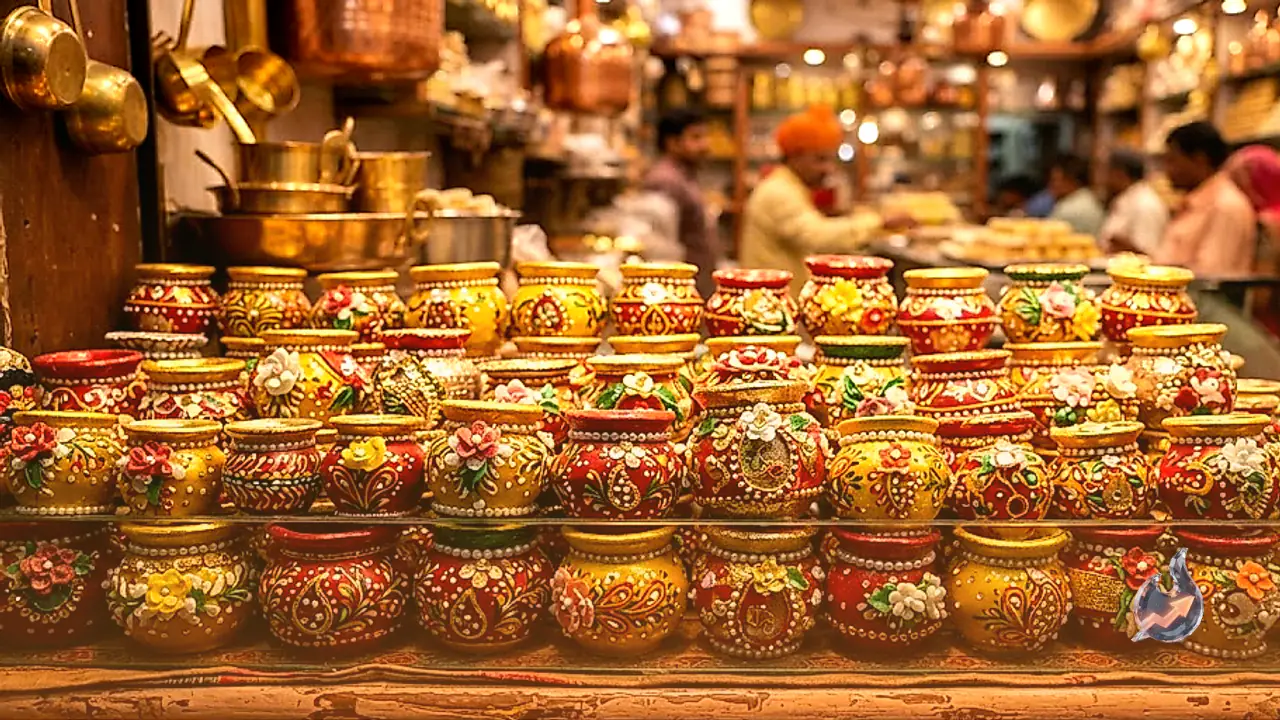

As the festival of Karva Chauth approaches, markets in Bikaner are witnessing a significant surge in festive activity. Women observe this fast with utmost devotion, praying for the long lives of their husbands and lifelong marital bliss. Alongside traditional earthen vessels, sugar-made Karwas hold a special attraction during this auspicious occasion. The production of these sugar Karwas is currently running at a fast pace across Bikaner. The unique aspect of these items is that they are utilized only once a year exclusively for Karva Chauth worship. Manufacturing begins roughly ten days before the festival, and these items are dispatched to several districts across Rajasthan as well as neighboring states like Punjab and Haryana.
Festival Traditions And Timing
Celebrated annually on the fourth day of the dark fortnight in the month of Kartik, women observe a waterless and foodless fast from sunrise until moonrise on this day. Following the sighting of the moon, ritualistic sixteen-step worship is performed, and water offerings are made to the moon. The fast is broken only after listening to the traditional lore. This year, Karva Chauth falls on 29 October, prompting a massive acceleration in the manufacturing and distribution of sugar Karwas across Bikaner well in advance of the celebrations.
Thousands Of Orders Received
Vivek Agarwal, a local merchant involved in making these sugar Karwas, explained that using sugar-made vessels during Karva Chauth rituals is considered auspicious. Keeping the high demand in mind, production commences approximately ten days prior to the festival every year. This season, manufacturers have secured orders for nearly five thousand pieces of sugar Karwas. To meet this heavy consumer demand, artisans are producing one to two thousand units on a daily basis.
Manufacturing Process And Pricing
Crafting a single sugar Karwa takes approximately 15 minutes of dedicated effort. The retail price for one piece in the market is set at around 30 rupees. The manufacturing process begins by melting pure sugar over heat. Once liquefied, the hot mixture is poured securely into specially designed Karwa-shaped molds. After drying for a specific duration, the sugar solidifies entirely to take the distinct shape of the ritual vessel, completing the preparation for worship.
Reaching Punjab And Haryana
The reach of Bikaner's sugar Karwas extends far beyond the local city boundaries. Supplies are sent regularly to various districts across Rajasthan, spanning both urban and rural areas. Demand also remains steadily high in neighboring states including Punjab and Haryana. As the festival draws closer, the business owners and artisans responsible for these products experience heightened schedules. Workers remain constantly engaged to ensure that all pending orders are delivered right on time.
Large Scale Production In Factories
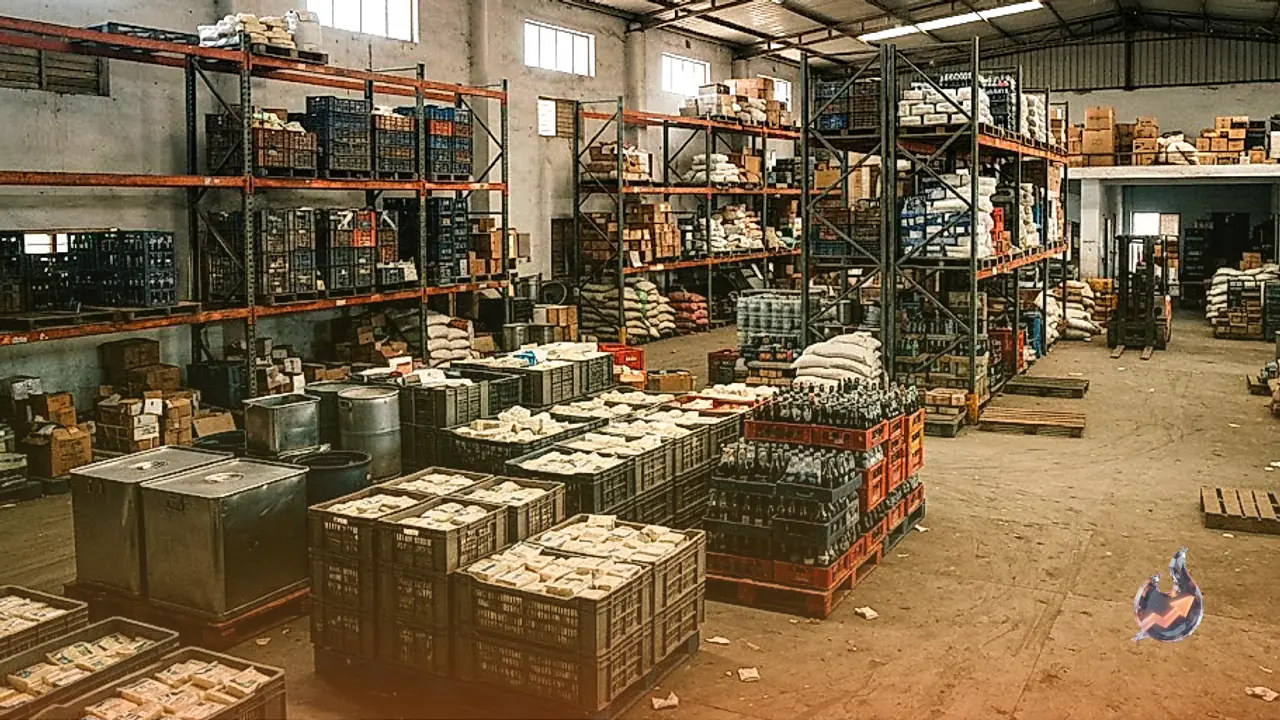
Traders specializing in sugar-based products noted that during Karva Chauth every year, about half a dozen factories in Bikaner process over five tons of sugar to manufacture these festive items. The process requires boiling sugar syrup before pouring it into molding equipment. After proper drying, the units are packaged for consumer use. On the day of Karva Chauth, alongside sugar variants, traditional earthen Karwas retain immense ritualistic significance. Fasting women incorporate both varieties during their prayers, resulting in high daily demand and brisk retail shopping across local markets.