























With the mounting financial burden of chemical fertilizers and expensive pest control agents continuously weighing down on agricultural budgets, cultivators are increasingly looking toward organic alternatives. In this context, dashaparni arka is emerging as a highly useful and economical local solution for producers. This specialized mixture is prepared using ten distinct types of foliage, including neem, datura, and swallowwort, allowing growers to produce it right at home or on their farms at minimal expense. Its primary application lies in managing crop pests and reducing heavy reliance on commercial chemical pesticides. By adopting the correct preparation method, this concoction can be effectively integrated into everyday farming practices. Creating dashaparni arka involves gathering accessible leaves from plants such as neem, datura, swallowwort, karanja, custard apple, castor, papaya, nirgundi, tulsi, and marigold. The specific selection of foliage often depends on what is locally available in different regions. Alongside these greens, traditional preparation methods also require cow urine, water, and a small quantity of cow dung.
Step-by-Step Preparation of the Herbal Extract
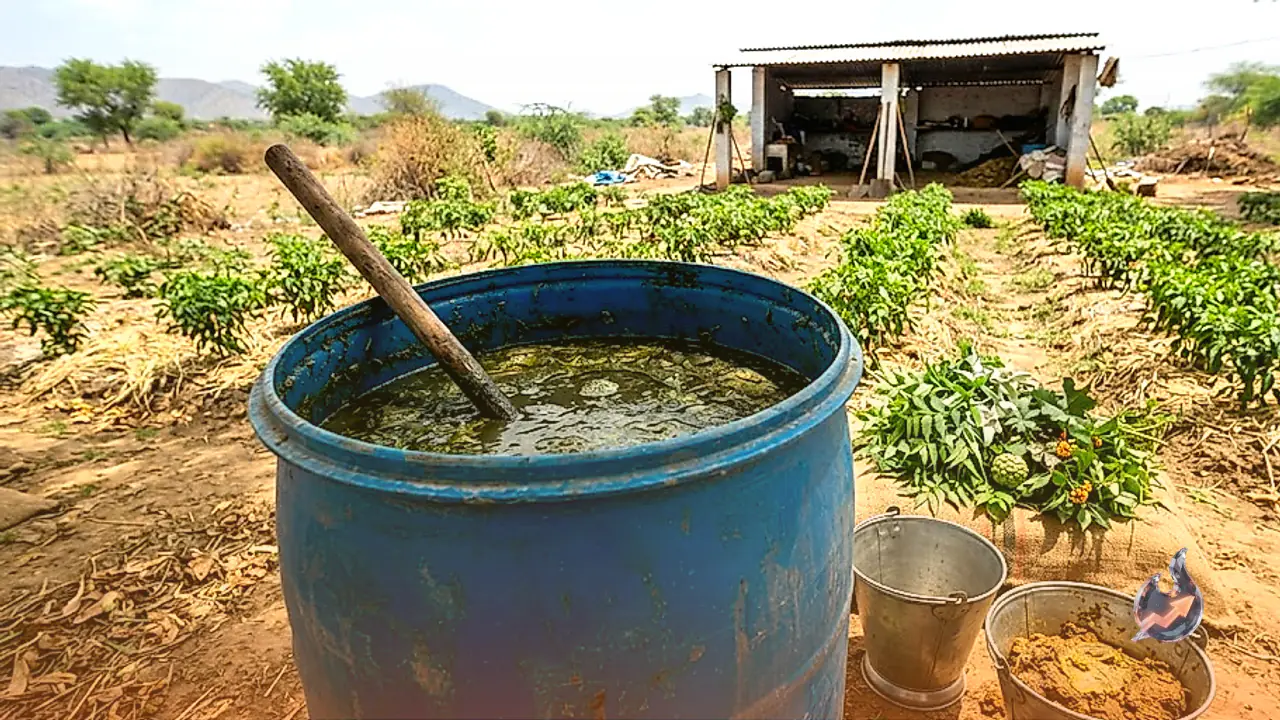
Krishi Vigyan Kendra expert Dr. C M Yadav explained that the process begins by collecting and thoroughly cleaning the ten selected varieties of leaves before chopping them finely. These chopped leaves are then placed inside a large plastic drum or another suitable container where water, cow urine, and cow dung are added to form a cohesive blend. Once all the ingredients are thoroughly mixed together, the container must be covered and placed in a shaded area. The mixture needs to be stirred at regular intervals using a wooden stick to ensure the components blend properly during fermentation. According to traditional methods, the mixture is allowed to decompose and ferment for roughly 30 to 45 days. After this duration, the concoction is strained through a cloth to separate the liquid extract from the solid residue. The resulting liquid can then be diluted with water according to requirements and sprayed over crops. The exact dosage must be determined based on the crop type, pest variety, and guidance from local agricultural experts.
Key Agricultural Benefits and Safety Precautions
Dr. C M Yadav noted that many of the leaves utilized in dashaparni arka contain natural compounds that help repel certain pests or diminish their activity. This provides growers with an additional option for managing pests using materials readily available around the farm, thereby cutting down on expenses incurred on commercial store-bought products. This method is particularly valuable when cultivators are actively trying to lower agricultural expenditures and adopt sustainable farming practices. However, the herbal extract does not exhibit uniform effectiveness against every single pest or plant disease and should not be considered a complete replacement for standard fertilizers. It is essential to perform a small-scale test spray before applying it widely, wear protective gloves, and consult an agricultural specialist before use.