





















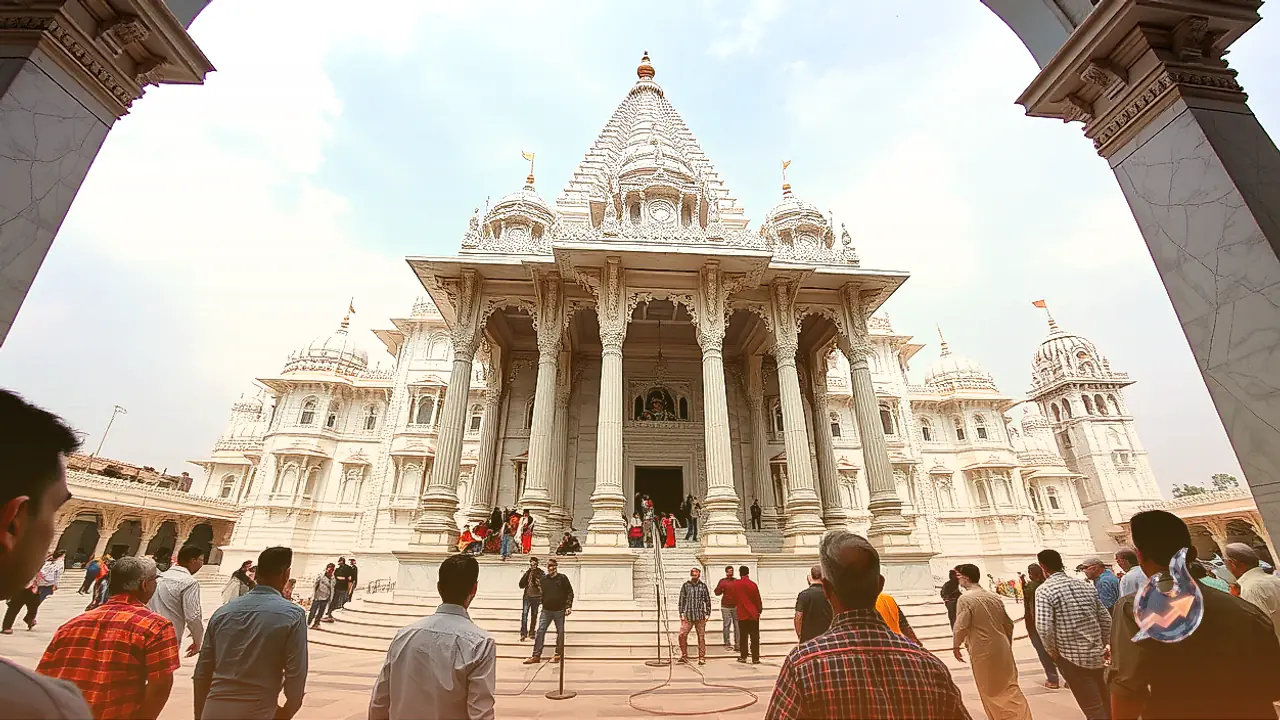

Devotees traveling to the revered Khatu Shyam Ji shrine in Rajasthan's Sikar district will soon witness a remarkable transformation of the sacred site. To better accommodate the millions of pilgrims who arrive from across India and overseas, preparations for a brand-new, substantially larger temple complex have entered an active stage. The Shri Shyam Mandir Committee is pushing ahead to commence on-ground construction during its ongoing tenure and see the ambitious project through to completion on schedule. Following roughly four years of planning and architectural groundwork, artisans are currently carving stone blocks at a brisk pace, keeping the project on track to open the magnificent new sanctum to visitors within five years.
Carving Underway After Four Years of Detailed Groundwork
The groundwork for this extensive overhaul has been progressing systematically for roughly four years. At a workshop site located a short distance from the present shrine, stonemasons continue the delicate task of hand-carving ornate architectural elements for the proposed structure. Manvendra Singh Chauhan, secretary of the temple committee, confirmed that preparations to break ground on the main shrine have reached advanced stages. He noted that the intricate carving process still requires some additional time before full-scale structural assembly begins on site. The managing body has set a firm benchmark to see the shrine take clear physical shape over the next two to three years, ensuring the entire undertaking is completed within the current administration's term.
Traditional Nagara Architecture and Twice the Existing Capacity
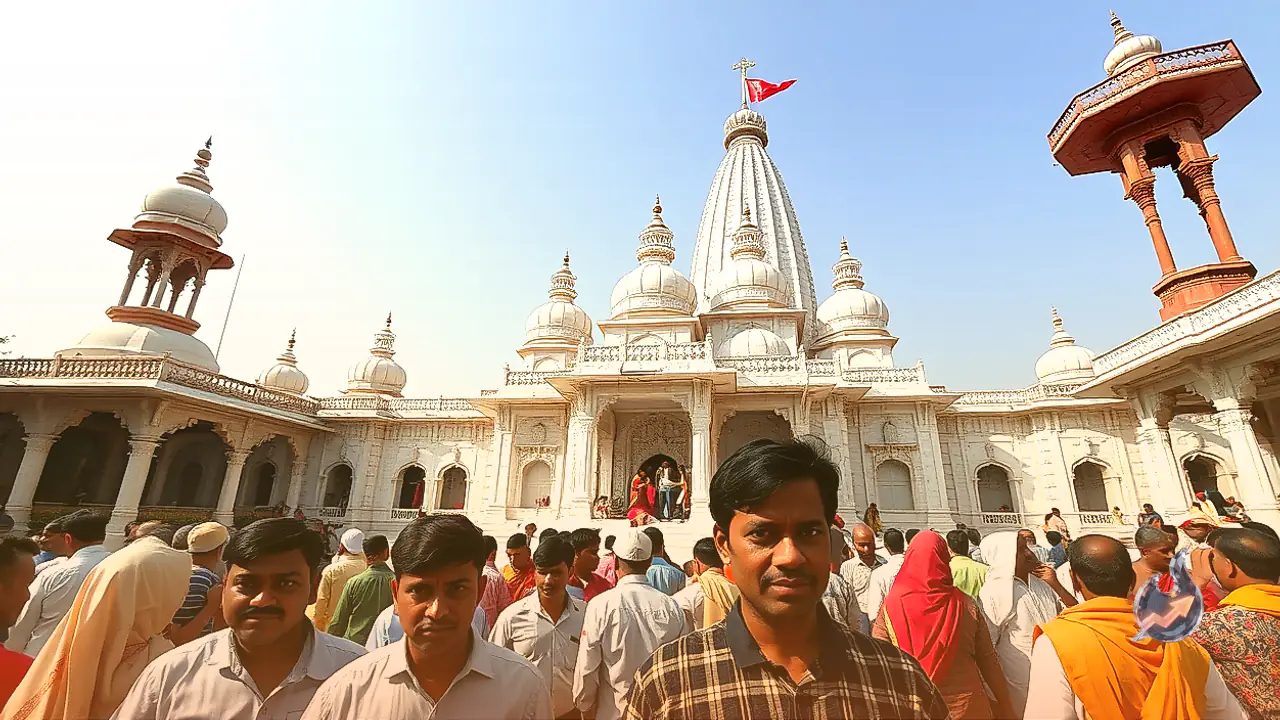
Departing completely from contemporary concrete construction, the upcoming temple will adhere strictly to India's timeless Nagara architectural tradition. Crafted entirely from top-grade Makrana white marble supported by resilient granite, the new complex will span roughly twice the area of the existing shrine. An imposing central spire rising approximately 133 feet will crown the sanctum, establishing a prominent landmark visible from afar. The entire superstructure will rest upon a network of 93 sculpted, artistic pillars, which will serve as the structural backbone while lending the interior classical grandeur and dignified spaciousness.
Idol Position Preserved Amid an Expanded Sanctum Sanctorum
Addressing the profound spiritual sensibilities of pilgrims, temple administrators have ensured that the sacred idol of Baba Shyam will remain untouched in its original location. The revered idol will not be displaced or altered in any manner. Instead, the architectural revisions focus on expanding the surrounding inner sanctum, making it substantially wider, taller, and more open. Under current conditions, worshippers catch darshan of the idol from an approximate distance of 18 feet. With the wider sanctum sanctorum and expansive prayer hall, visitors will be able to view the deity comfortably from a slightly greater distance without obstruction. Broadened entry gates and generous circulation spaces will further ensure a safe, relaxed experience even during peak festive rushes.
Earthquake-Resistant Design, Makrana Marble, and Epic Carvings
Longevity and structural resilience sit at the heart of the ongoing engineering work. The complex is being engineered with specialized earthquake-resistant mechanisms that protect everything from the foundation to the towering spire. Subsurface foundations will rely on heavy-duty granite to withstand generational wear and ground stresses. Before settling on the renowned white marble of Makrana, a dedicated delegation from the temple committee inspected stone deposits across multiple districts of Rajasthan. Every shipment undergoes rigorous quality and strength verification by an engineering team before entering the carving sheds. Aesthetically, the interior and exterior walls will feature detailed bas-reliefs illustrating episodes from the Mahabharata alongside devotional scenes of Radha and Krishna. Comprehensive surveillance networks, including high-tech CCTV systems and advanced metal detectors, will safeguard the premises once doors open.