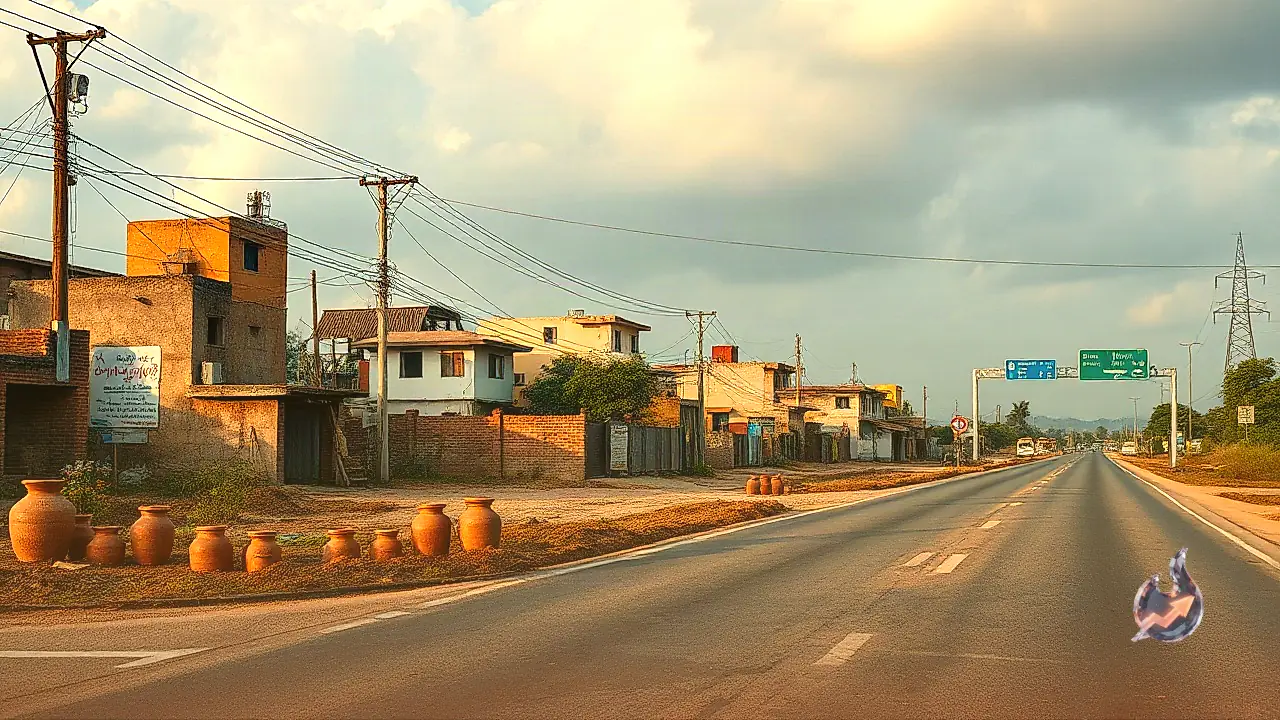




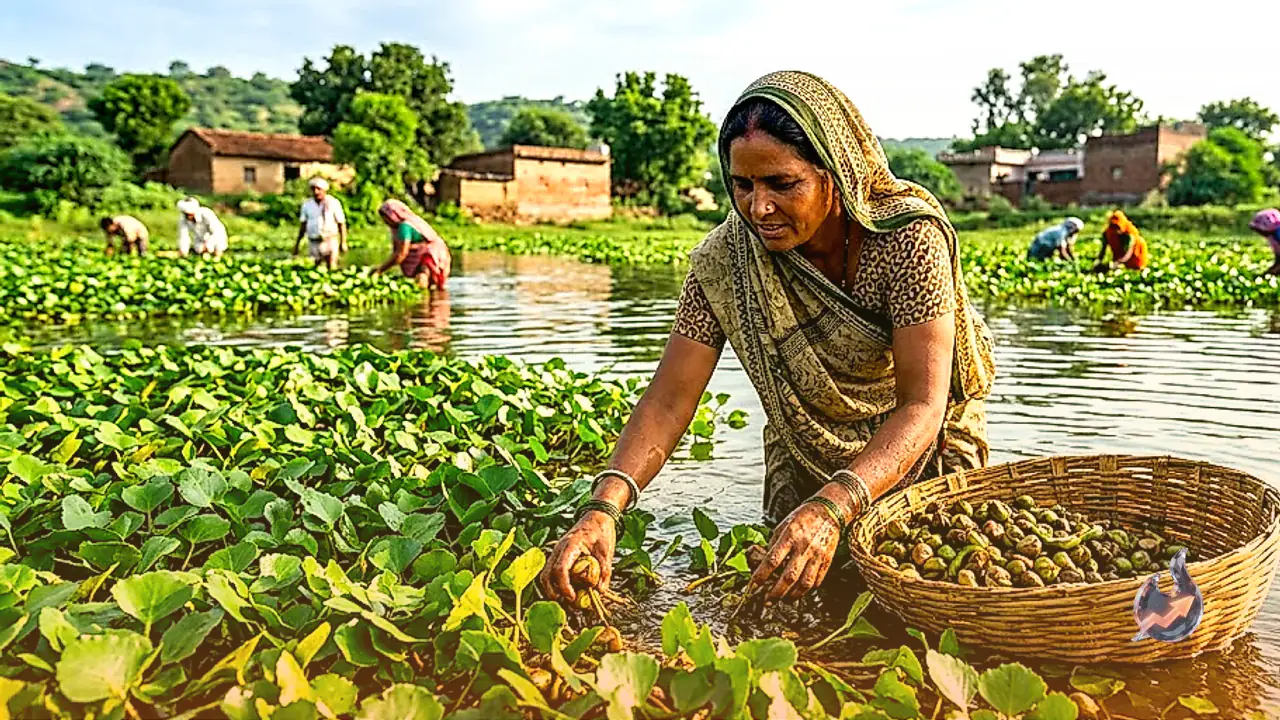



















Recent monsoon rains across Rajasthan's Bharatpur district have revitalised local agricultural prospects, particularly around Bandh Baretha and adjacent rural settlements. The prolonged downpours have filled area ponds and reservoirs to their capacity. Taking full advantage of the abundant water supply, agriculturalists in the region have commenced extensive cultivation of water caltrop, commonly known as water chestnut. Requiring minimal capital investment compared to conventional field crops, this aquatic produce is emerging as a reliable avenue for farmers seeking strong seasonal profits.
Planting Methods and the Crop Development Cycle
Several water bodies across the Bandh Baretha belt now hold adequate reserves following the rainy season. Growers introduce healthy water chestnut vines directly onto the water surface, where they spread quickly under open skies. The floating canopy anchors in the pond bed while the foliage expands across the surface, initiating fruit development within a few weeks. Under favourable weather conditions and steady water levels, the crop begins yielding harvestable produce approximately one and a half months after transplantation. Once harvested, the fresh nuts are washed and transported to regional markets for retail and wholesale distribution.
Optimal Climate, Depth, and Soil Conditions
Warm and humid monsoon conditions provide the ideal environment for establishing water chestnut crops. Transplanting typically begins as soon as ponds and reservoirs accumulate sufficient depth. Depending on regional climatic variations, sowing schedules may vary slightly. Because the vines require abundant direct sunlight to thrive, shallow to medium water levels ranging between 1 and 1.5 metres are considered optimal rather than excessively deep reservoirs. Clean aquatic environments underlain with fertile clay-loam soil promote rapid vegetative growth and superior fruit sizing. Peak harvesting operations run steadily from October through December.
Crop Management and Productivity Techniques
Securing high agricultural yields demands the use of disease-free, high-grade vine stock. As the plants mature, cultivators must regularly clear invasive aquatic weeds and competing vegetation from the pond surface. Overcrowded foliage can restrict sunlight and deplete dissolved nutrients, making systematic thinning and monitoring critical throughout the vegetative cycle. If signs of pest infestation or plant diseases appear, growers are advised to seek immediate guidance from agricultural extension officers. Careful hand-harvesting is equally vital to prevent mechanical damage to parent vines, allowing subsequent flowering cycles to progress undisturbed.
Festive Consumption and Market Potential
Beyond being consumed as a nutritious fresh snack, water chestnut is widely used as a staple fasting ingredient during religious observances across India. The seasonal surge in demand for raw produce and processed water chestnut flour gives producers confidence in securing premium market prices. Farmers in Bandh Baretha note that consistent pond depths this season will maintain optimal moisture levels, directly translating to higher output volumes. This aquatic enterprise is delivering much-needed supplementary income and rural employment across the district.