























Growing fresh fruit at home in a kitchen garden is a rewarding venture, and pineapples offer an exceptionally easy and cost-effective entry point. Unlike most home-grown produce that demands specialized seed purchases or expensive nursery saplings, a pineapple plant can be easily propagated directly from the fruit you buy at the grocery store. By using the leafy top structure known as the crown, gardening enthusiasts can cultivate a vibrant green plant with minimal financial investment.
Initial Steps for Preparing the Pineapple Crown
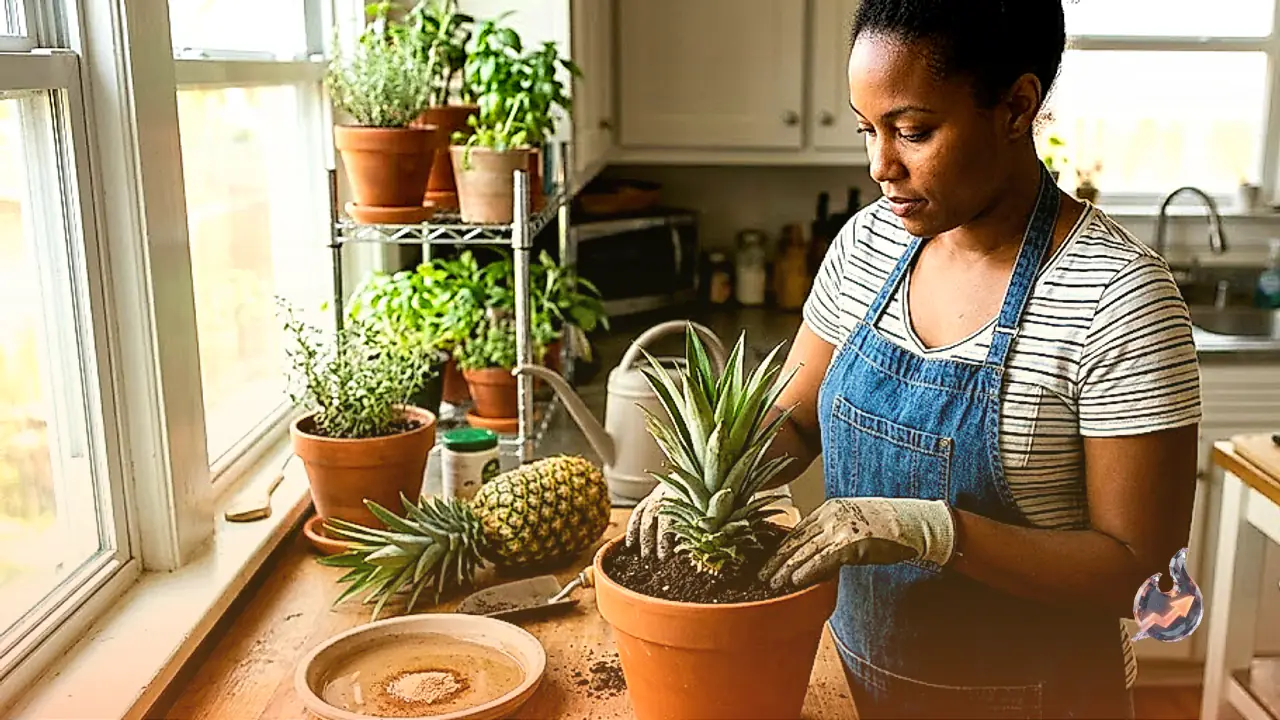
The process of raising a home-grown pineapple begins with selecting a healthy, well-ripened fruit from the market. Using a sharp knife, carefully slice off the top leafy green section, ensuring you cut close to the base of the leaves. Once separated, thoroughly trim away any remaining sweet fruit pulp attached to the base of the crown. Leaving sugary pulp intact increases the likelihood of rotting or fungal infections once embedded in the soil. After cleaning the lower section, place the crown in a dry, shaded area for a few days to let the cut surface callouse and dry completely before planting.
Soil Preparation and Potting Requirements
Selecting the right growth medium and container is critical for the healthy development of the pineapple crown. The plant thrives best in loose, well-draining soil that prevents water retention. When filling the pot, enrich the soil mixture with organic manure or well-decomposed compost to supply necessary nutrients. Ensure the selected container features proper drainage holes at the bottom so that excess moisture drains away freely, as soggy conditions can quickly lead to root decay. Insert the dried base of the crown firmly into the center of the pot, keeping the leafy portion fully exposed, and keep the soil slightly moist rather than saturated.
Care Requirements and Expected Growth Timeline
Patience is an essential virtue when cultivating a pineapple plant, as its development takes place gradually over an extended period. Position the pot in a bright location that receives ample direct sunlight throughout the day. Irrigation should be applied moderately, watering only when the topmost layer of soil feels dry to the touch. The timeframe for fruit production varies depending on local weather conditions, plant health, fruit variety, and ongoing maintenance. Under optimal home growing conditions, a newly propagated plant typically bears fruit in approximately two years, though some plants may require additional time to reach full maturity.
Key Advantages of Growing Pineapple at Home
One of the primary benefits of home pineapple cultivation is its sustainability and low financial outlay, requiring no expensive equipment or specialized machinery. Instead of discarding the leafy crown into kitchen waste, repurposing it allows homeowners to make efficient use of small balcony or rooftop spaces while enjoying a fulfilling gardening project. It is worth noting, however, that a single plant yields a limited quantity of fruit per cycle. For anyone with access to a sunny spot, basic soil, and a standard pot, propagating pineapples remains a delightful and practical garden experiment.