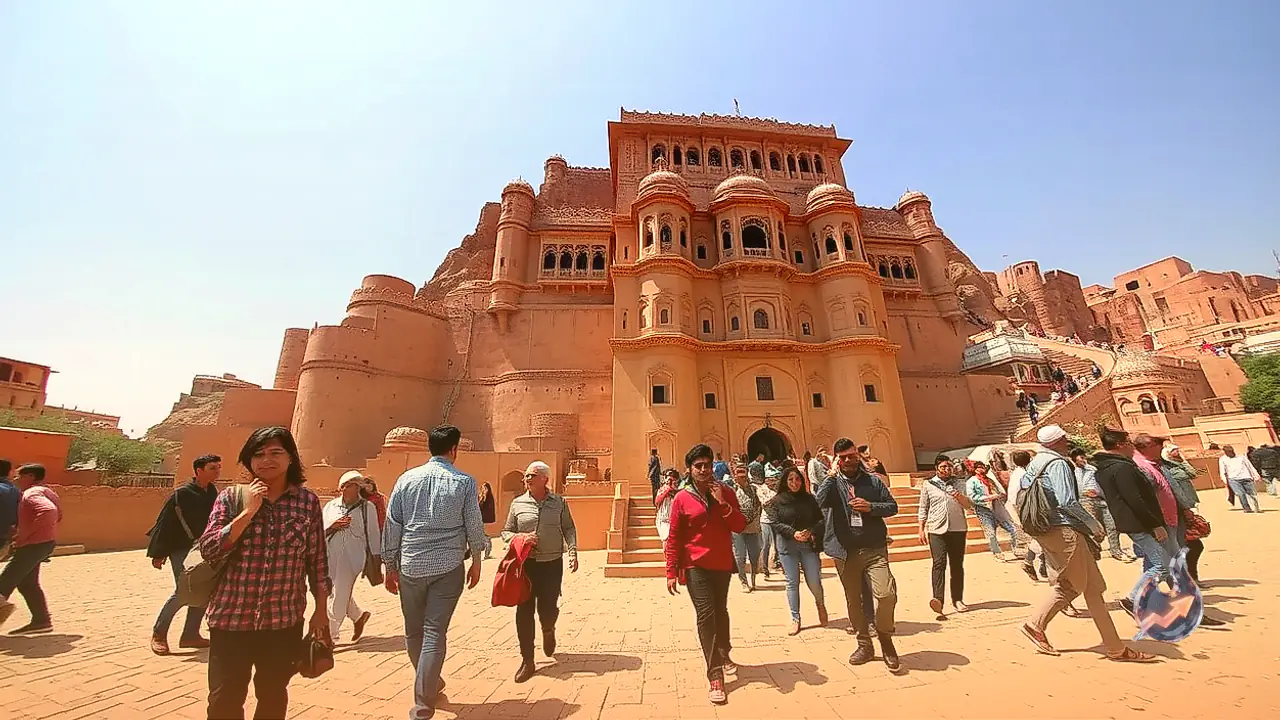


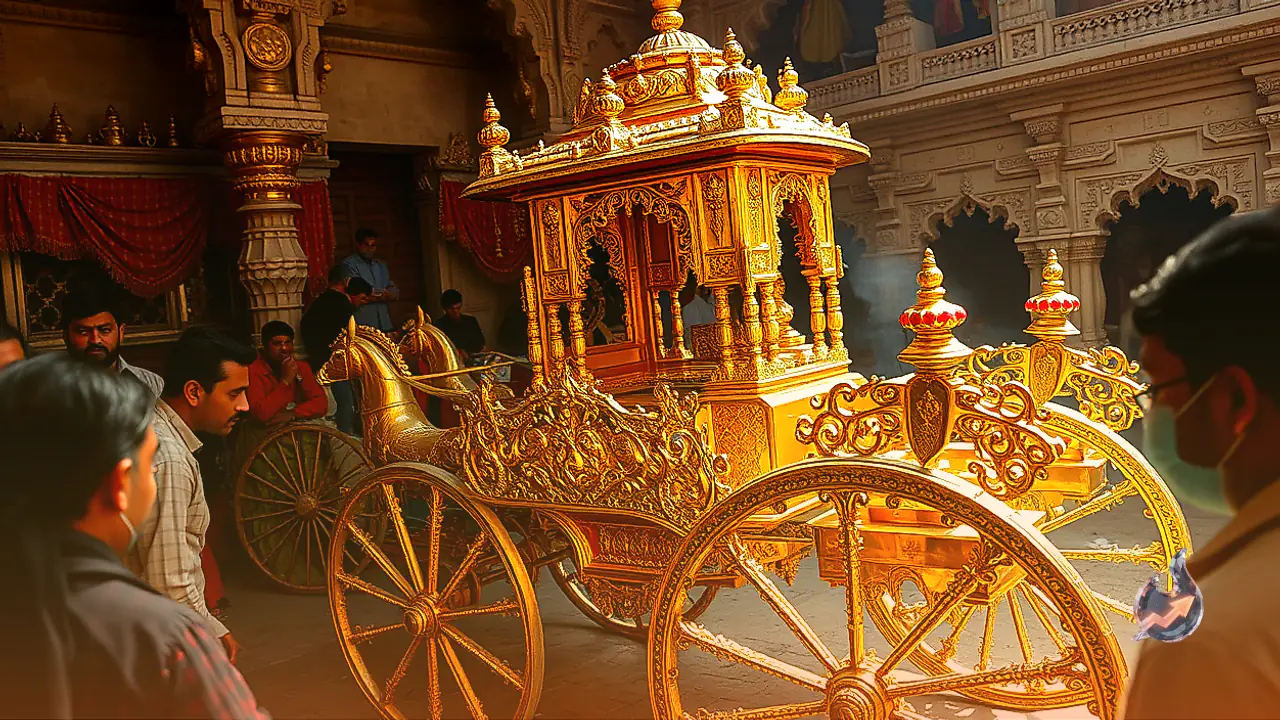














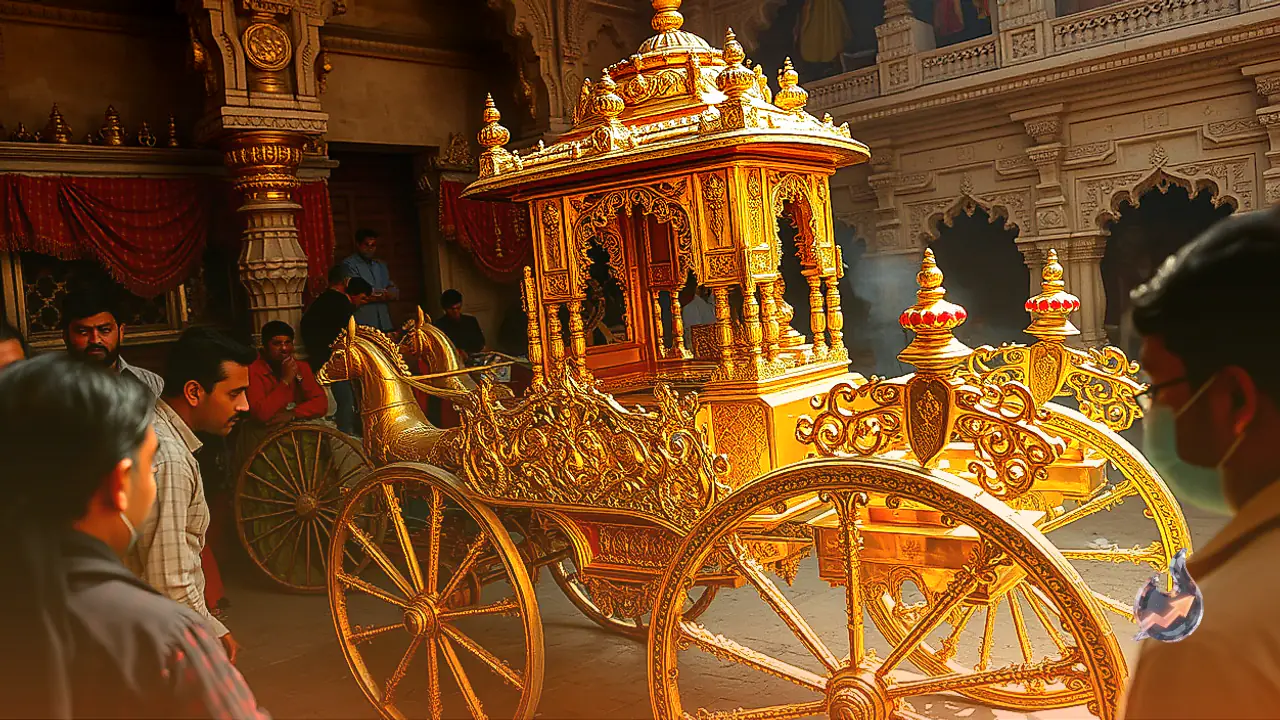

Soni Ji Ki Nasiyan in Ajmer, Rajasthan, stands as a renowned, historic, and majestic pilgrimage destination of Jainism. The temple complex houses artworks dating back roughly 200 to 225 years that continue to draw admiration from devotees and history enthusiasts alike. The historic chariot and surrounding sculptural pieces preserved on the premises reflect the exceptional craftsmanship and artistic mastery of that era. To keep this centuries-old heritage intact, routine conservation and repair work are carried out using traditional maintenance methods, ensuring the long-term preservation of these timeless treasures.
Religious Significance and Ceremonial Procession Traditions
Bhupendra, an associate involved in overseeing the upkeep of Soni Ji Ki Nasiyan, noted that the historic chariot holds profound religious and customary significance. Whenever the chariot is taken outside for the ceremonial city tour, the idol of the deity is reverently installed at the rear section of the vehicle. The historic custom of steering and managing the chariot is still upheld by members belonging to the Seth Sahib family. Family descendants ride atop the chariot themselves to lead the sacred circumambulation through the city streets.
Genuine Gold Detailing and Delicate Embossed Figures
Different sections of the chariot artifacts exhibit distinct forms of specialized workmanship from that historical period. According to Bhupendra, the sculpted elephant figures display genuine gold ornamentation combined with very fine embossing. The raised embossed patterns were crafted with remarkable precision, bearing witness to the extensive patience and dedication of the artisans from that bygone era. Furthermore, the historic carpets draped over the elephant models carry an unmistakable aesthetic identity of their own.
Intricate Zardozi Wirework in Gold and Silver
These ancient relics also showcase zardozi embroidery executed with authentic gold and silver metallic threads. Meticulous zardozi needlework covers the entire shape of the elephant figures from head to toe. Similarly, the eyes, backs, and various parts of the horses are richly adorned with gold and silver wire designs. Preserved across more than two centuries, this artistic tradition retains its original radiance and fine detail, continually mesmerizing visitors.