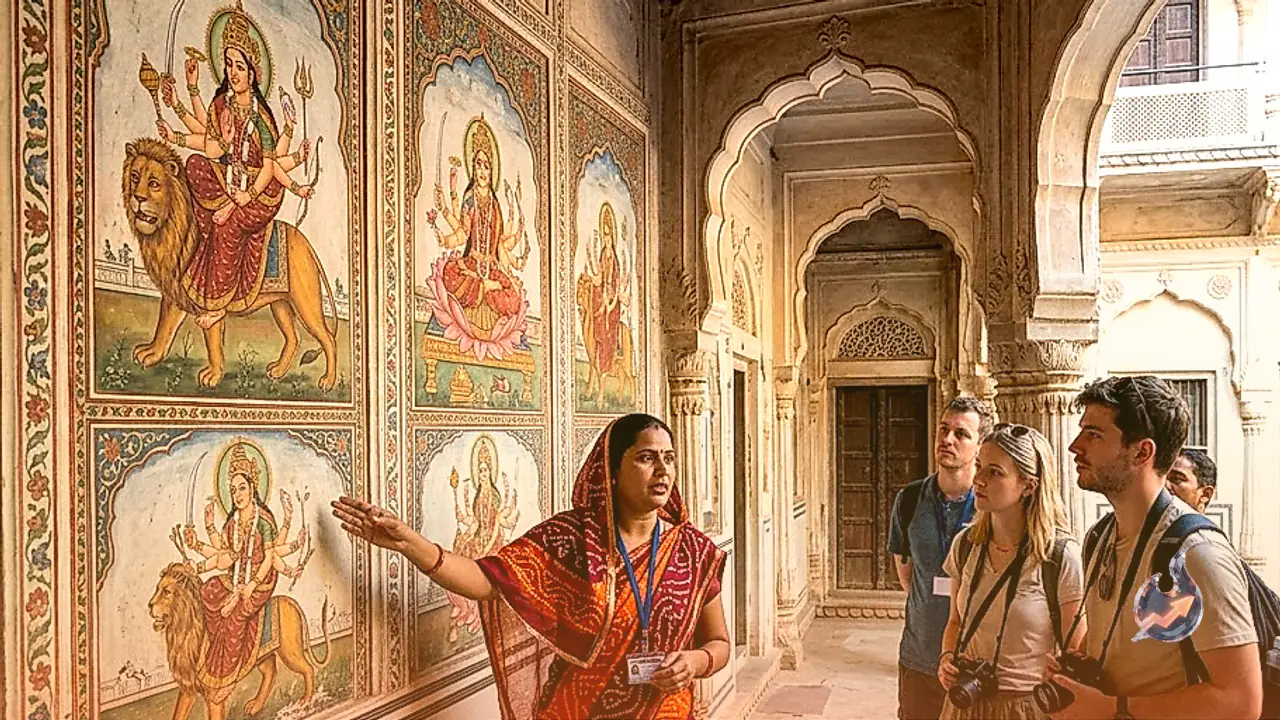





















A remote shrine in Bhatund village of Rajasthan's Pali district continues to intrigue pilgrims with century-old customs that run contrary to standard temple rituals. Spanning a history of more than 800 years, this revered Sheetla Mata temple preserves a deep synthesis of spiritual devotion and local folklore. Throughout the year, and especially during the sacred period of Navratri, large throngs of devotees travel from far and wide to seek blessings and witness the enigmatic practices unique to this shrine.
The Bottomless Stone Mortar Inside the Sanctum
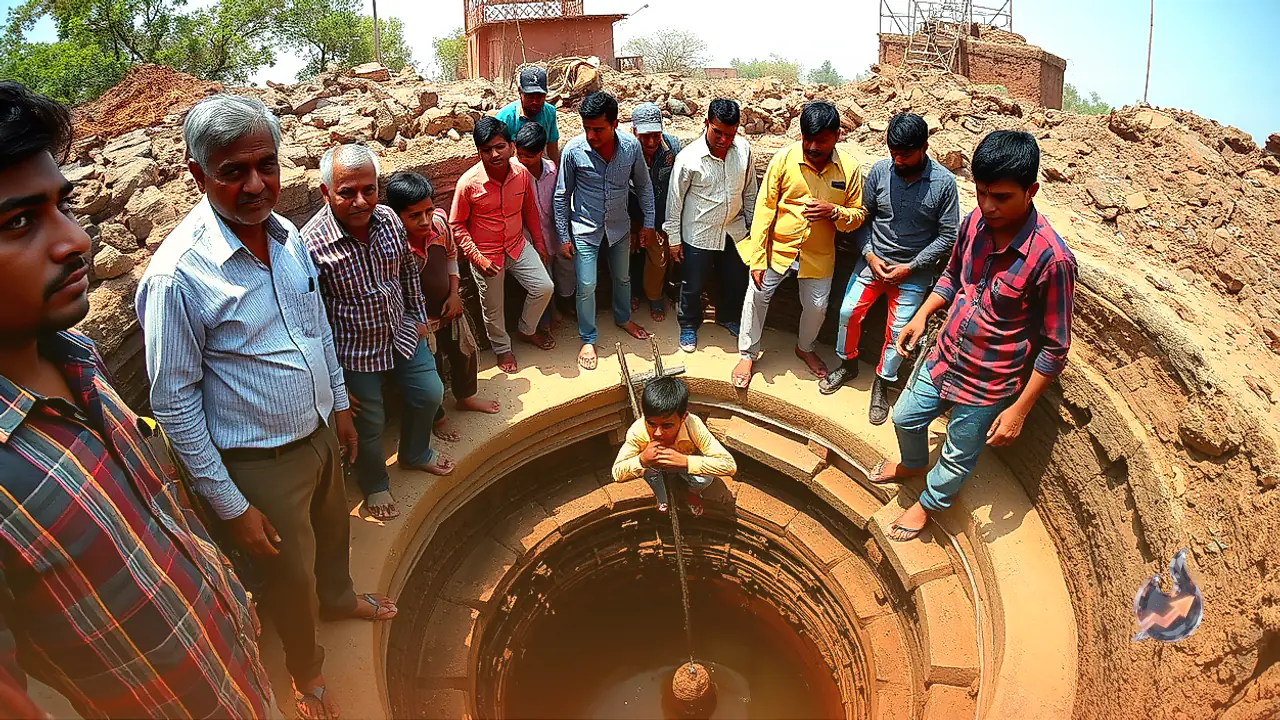
Upon stepping into the inner sanctum, worshippers face a striking four-armed idol of Sheetla Mata. Directly in front of the deity on the floor lies a carved stone mortar, measuring roughly 1 meter in depth. What confounds visitors is its seemingly inexhaustible capacity for water. Local residents and temple priests note that despite hundreds of liters being continuously poured into the cavity, it never fills to the brim. The water vanishes without a trace, leaving the cavity perpetually unfilled. This inexplicable absorption of immense amounts of liquid remains an unsolved phenomenon in modern times.
An Offering to the Demon Babara Before the Divine Mother
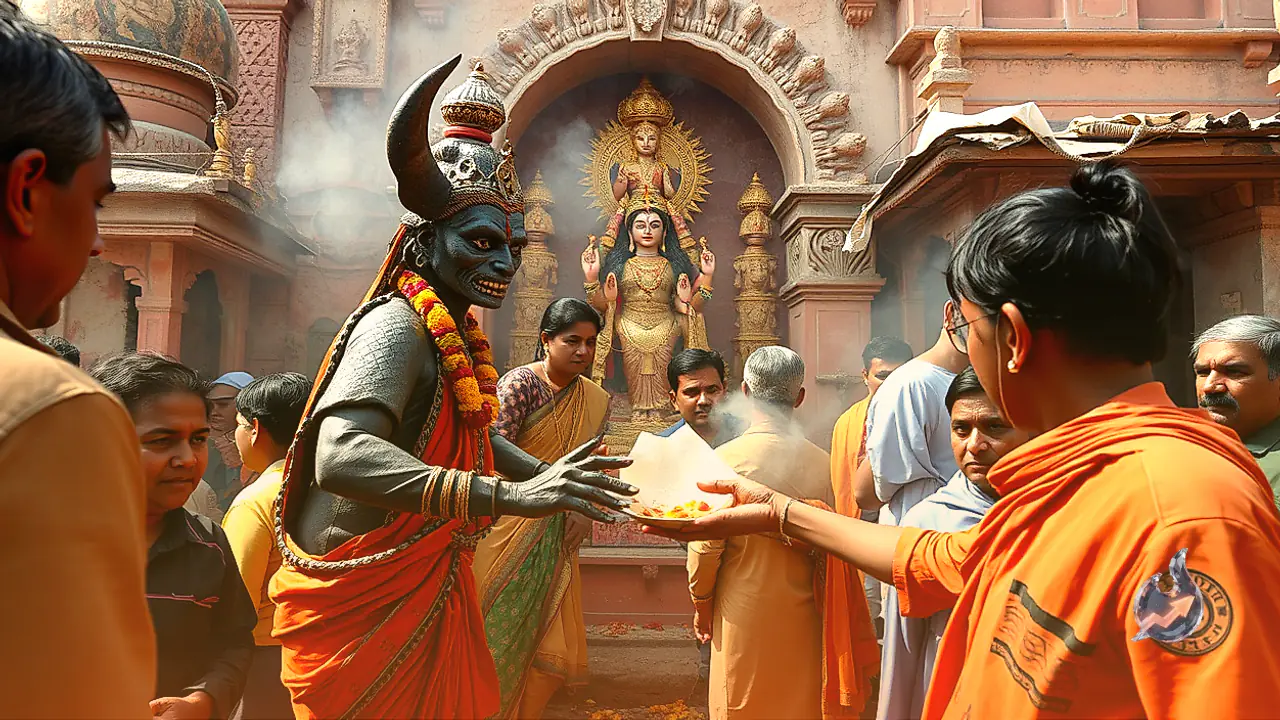
While standard Hindu worship dictates that food and prasad must first be consecrated to the presiding deity, the ritual sequence here is inverted. At this temple, the primary offering is made to an arrogant demon named Babara before Sheetla Mata receives hers. Traditional accounts explain that ancient times were marked by Babara's ruthless reign of terror across the settlement. The demon routinely disrupted local weddings by capturing the bridegroom. Desperate to end the perpetual torment, a local Brahmin undertook rigorous penance to invoke the grace of Sheetla Mata.
Divine Intervention, Slaying and a Merciful Covenant
Moved by the Brahmin's devout prayers, Sheetla Mata manifested before him, pledging to protect his daughter and rid the region of the tyrant. In the ensuing confrontation, the goddess struck down the oppressor. Facing imminent demise, the demon repented, fell before her feet, and pleaded for mercy. Sheetla Mata pardoned the dying demon and ordained that he would receive water and consecrated food offerings twice each year, specifically on Sheetla Saptami and Jyeshtha Purnima.
Faithful to this ancient decree, village women continue the ritual of pouring water into the sanctum's stone mortar on those designated days, seeking protection for their community from unforeseen calamities and preserving peace across the settlement.