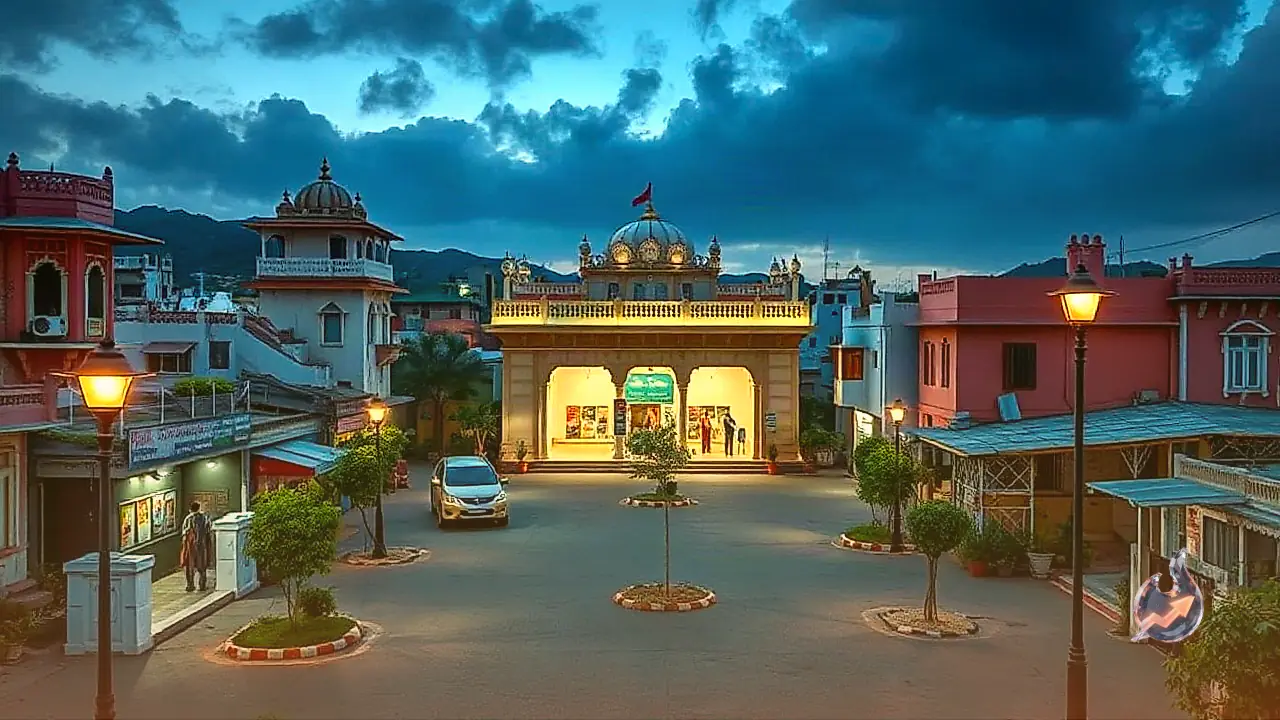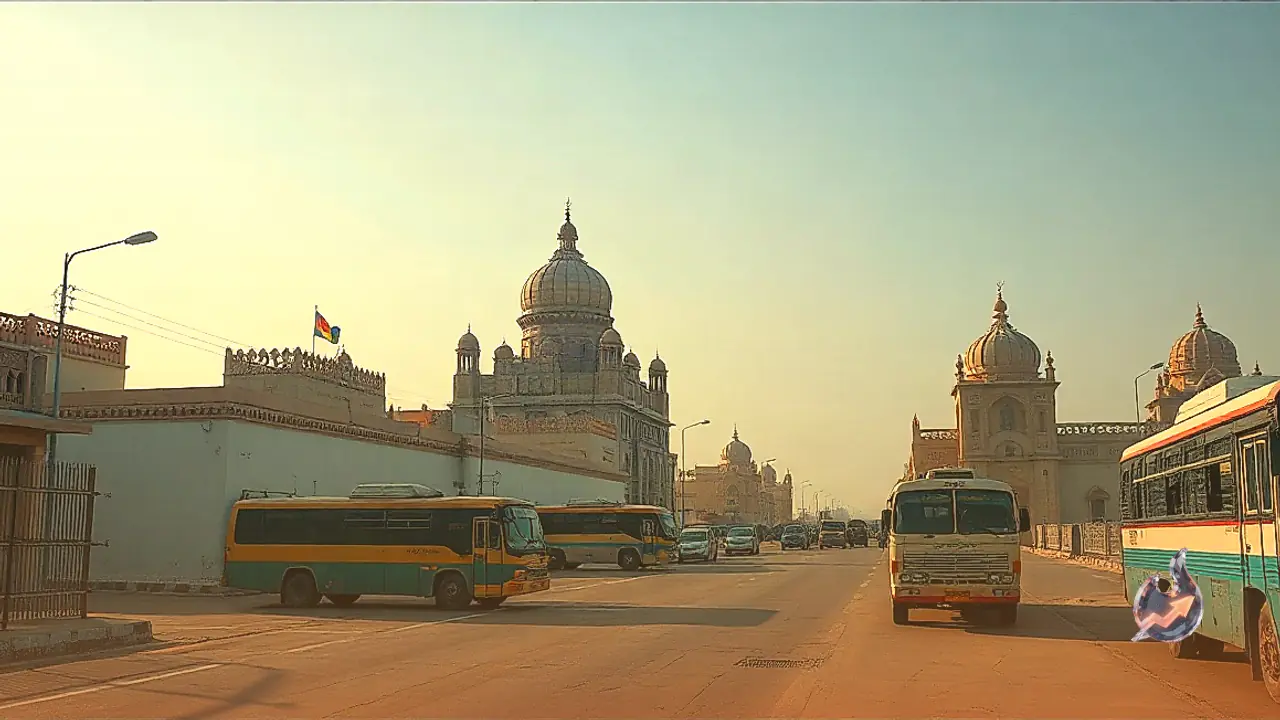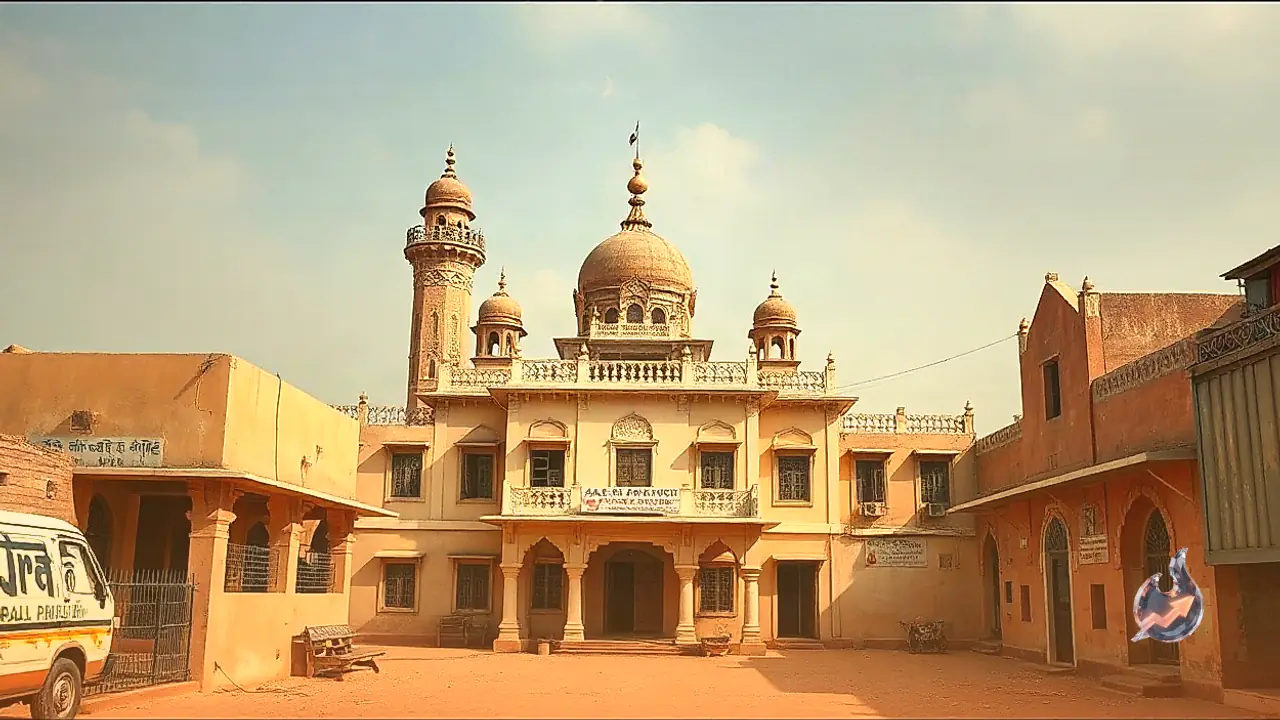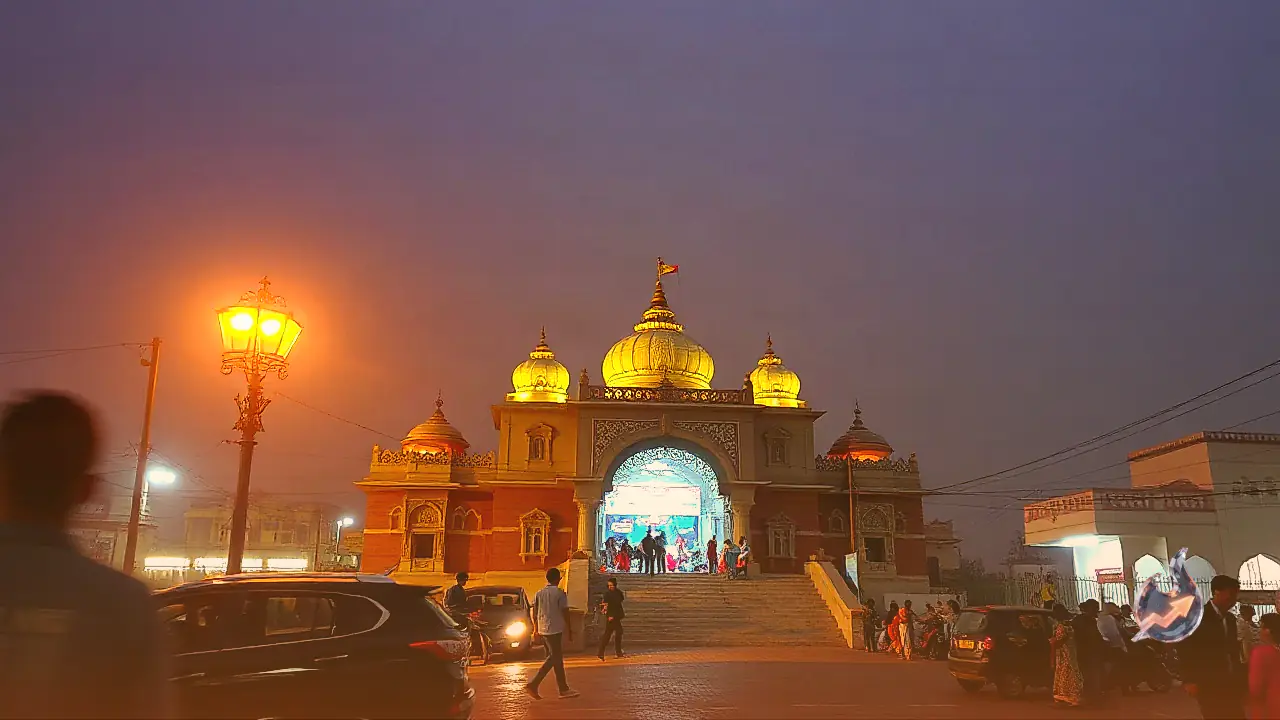
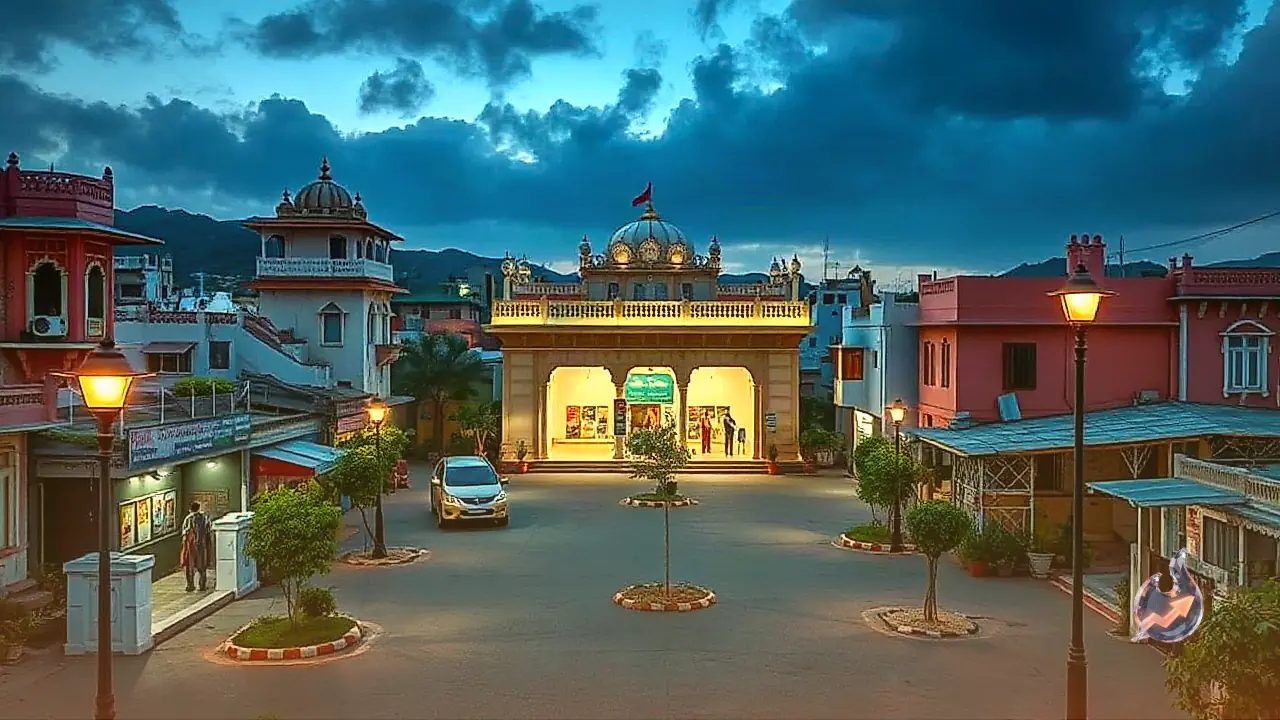
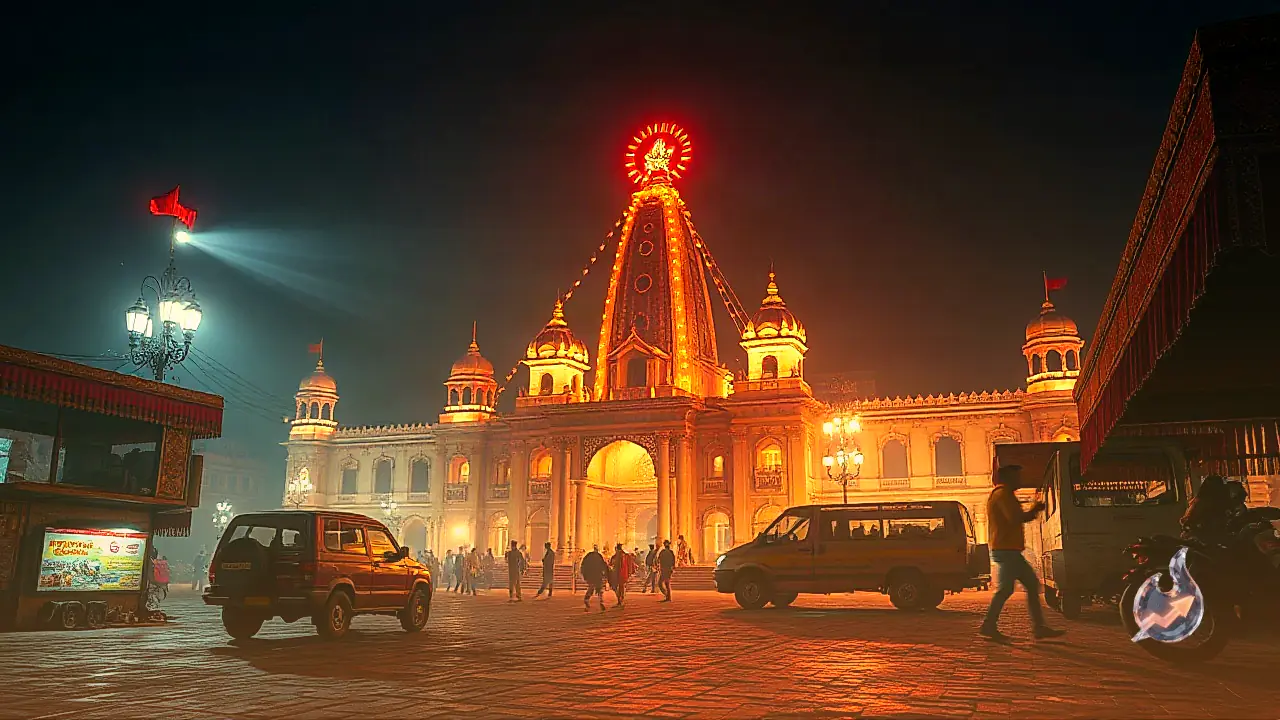















A massive wave of devotees has begun arriving at the historic Masuria Baba Temple in Jodhpur, Rajasthan, well ahead of the official start of the annual Bhadwa Mela. Although the pilgrimage festival formally kicks off on September 13 on the auspicious occasion of Baba's Beej, pilgrims from various parts of the country are already flooding the region. Devotees are paying homage at the sacred samadhi of Guru Balinath Ji, the revered spiritual mentor of Baba Ramdevji. Temple organizers project that the total footfall during the fair could easily range between 25 lakh and 30 lakh devotees.
Strict Restrictions Introduced on Large Flags and Cloth Horses
In light of the massive crowd density and to guarantee public safety, the temple administration has introduced strict entry restrictions. Devotees and walking groups are prohibited from carrying oversized cloth horses or unusually tall flags into the inner temple complex. Security teams deployed at the main entrance gates are stopping groups equipped with elevated bamboo or iron flagpoles before they step inside.
Addressing the rationale behind this decision, Trust President Narendra Rakhecha explained that the temple premises feature extensive decorative electrical lighting and overhead wiring. Carrying long metallic or wooden poles presents a severe risk of electrocution or entanglement with active power lines. To prevent potential hazards and keep all visitors safe, the trust decided to ban large flags and structures, requesting full cooperation from incoming pilgrim groups.
Temple Authorities Urge Pilgrims to Follow Guidelines
Senior administrators of the temple trust have appealed directly to the visiting crowd to adhere to all safety protocols and maintain discipline. Trust Vice President Shivji Daiya and Treasurer Purushottam Rakhecha emphasized that managing such an immense gathering safely requires collective compliance. They urged all pilgrims to avoid bringing heavy flagpoles or large cloth horses into the complex so that queue movement remains smooth and hassle-free for everyone.
Around-the-Clock Devotion from Early Morning to Midnight
A festive atmosphere has enveloped the Masuria neighborhood nearly a week prior to Baba's Beej. Streets leading to the shrine are reverberating with chants of praise as walking groups move steadily forward. The temple opens its doors to worshippers at 4 AM every morning, with queues continuing uninterrupted until 12 midnight. Peak crowds are recorded during the morning and evening hours. After offering prayers at Masuria, most devotees continue their journey onward to Ramdeora.
Comprehensive Support Infrastructure Along the Pilgrimage Route
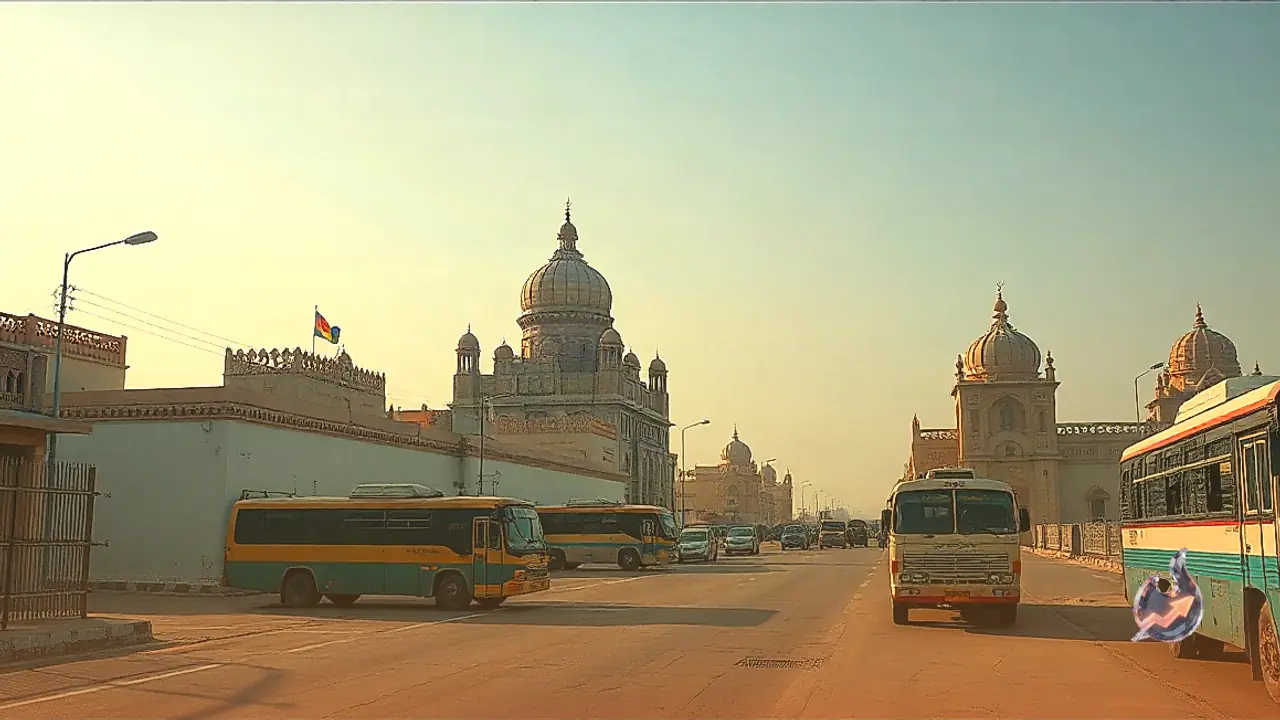
To assist pilgrims walking the long stretch between Jodhpur and Ramdeora, numerous charitable organizations have set up elaborate relief facilities along the highway. These service stations provide free meals, chilled drinking water, cooled shelter spaces, and temporary lodging for overnight travelers.
Given the intense physical strain of long-distance walking, dedicated medical booths are offering immediate care for blisters, muscle pain, and physical exhaustion. Qualified volunteers and healthcare workers are administering ointments, bandages, and basic medications to ensure that pilgrims can comfortably complete their spiritual journey.