

















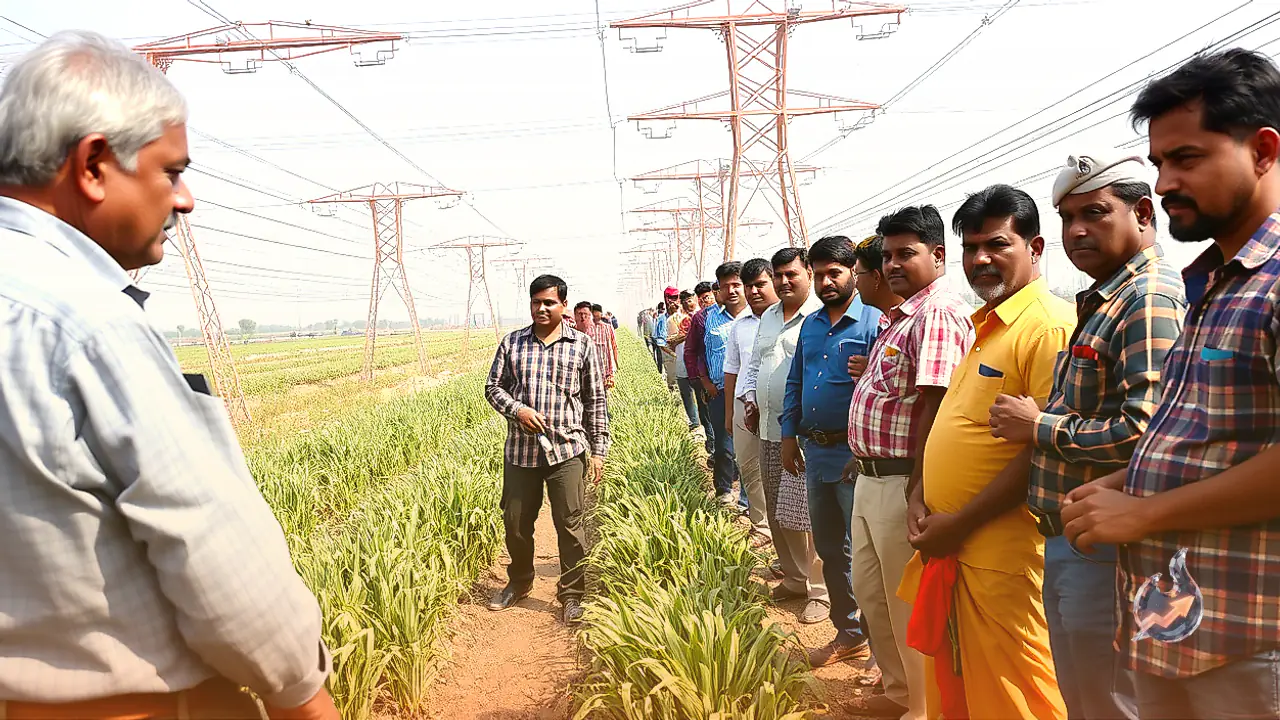

Ahead of the upcoming Rabi crop cycle, the electricity department in Dhaulpur has set comprehensive operational measures in motion to provide uninterrupted power supply for agricultural irrigation. During the Rabi season, water requirements across agricultural fields surge dramatically, placing severe strain on rural power distribution feeders and grid infrastructure. To prevent supply disruptions during critical watering schedules, Superintending Engineer Vivek Sharma held an extensive review meeting via video conferencing with all Assistant Engineers and Junior Engineers across the district, issuing crucial directives for system readiness.
Extensive Maintenance at Grid Sub-Stations and Feeders
Superintending Engineer Vivek Sharma directed technical personnel to thoroughly inspect and service all 33/11 kV Grid Sub-Stations, power transformers, transmission feeders, and distribution lines before agricultural demand reaches its peak. Engineering teams were instructed to identify and repair any technical vulnerabilities well ahead of time. The primary objective is to guarantee that farmers do not face operational hurdles or prolonged power outages when operating water pumps across the district.
Capacity Enhancement Across High-Load Agricultural Belts
Specific attention was devoted to regions that consistently report severe electrical load during crop watering periods. Engineering units have been instructed to install additional power capacity in these pockets to avert localized equipment damage and unexpected breakdowns.
- Preventing Overload: Supplying supplemental capacity across high-demand zones will protect existing transformers from excessive stress during peak operating hours.
- Block-Wise Quality Supply: Technical teams must ensure that agricultural consumers receive clean and stable electricity strictly according to their designated agricultural supply schedules.
- Immediate Fault Restoration: Engineers have been strictly instructed to avoid delays in repairs; any localized breakdown or wire fault must trigger instant corrective action to restore supply promptly.
Accelerating New Connections and Resolving 181 Grievances
The review meeting also addressed pending applications for new electricity connections across rural and semi-urban belts. Officials were ordered to expedite administrative workflows so that eligible applicants receive their connections without unnecessary procedural delays. Furthermore, the handling of electricity-related complaints registered on the 181 public grievance helpline came under direct focus, with engineers instructed to clear pending complaints within designated timelines so consumers are not left waiting.
Promoting PM Surya Ghar Scheme and Clearing Outstanding Revenue
The rollout of the PM Surya Ghar initiative was evaluated during the session, with Superintending Engineer Vivek Sharma urging field personnel to increase consumer outreach and boost platform registrations. Officials were directed to make citizens aware of rooftop solar benefits across their jurisdictions. Alongside clean energy promotion, the department emphasized the timely collection of long-pending utility dues, instructing engineers to step up revenue recovery drives across delinquent accounts.
Public Hearings to Address Agricultural Grievances Locally
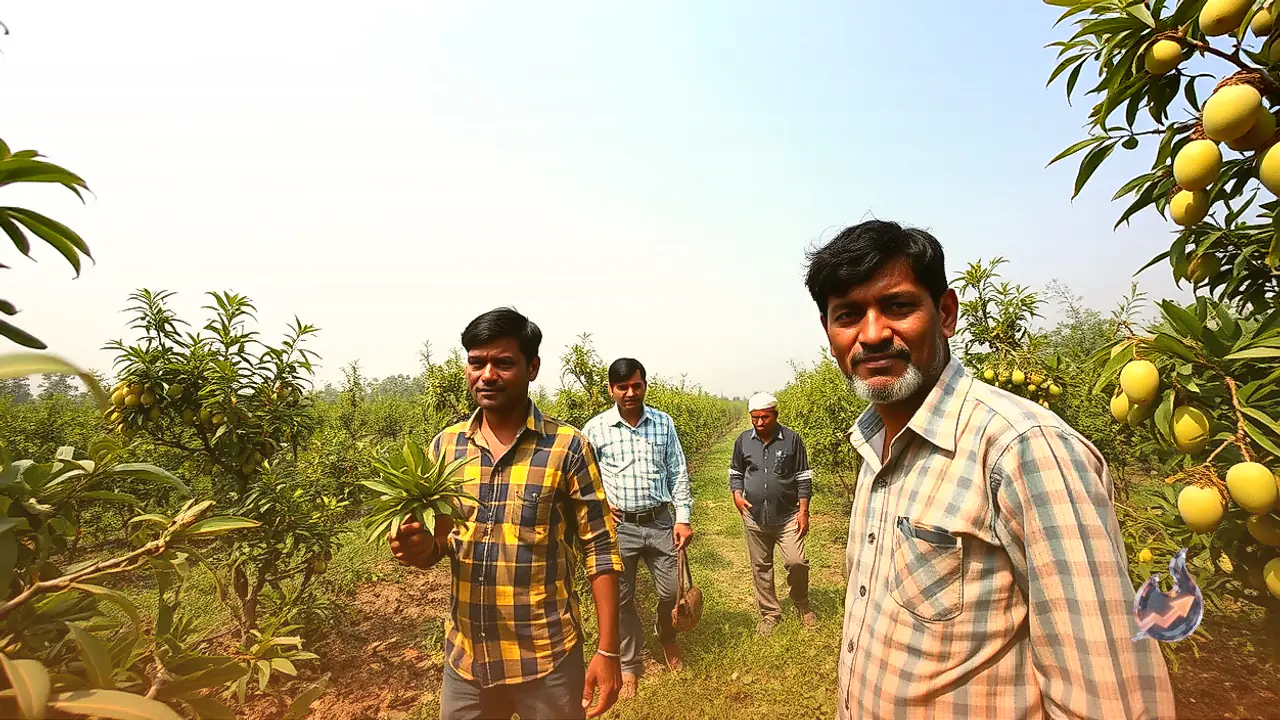
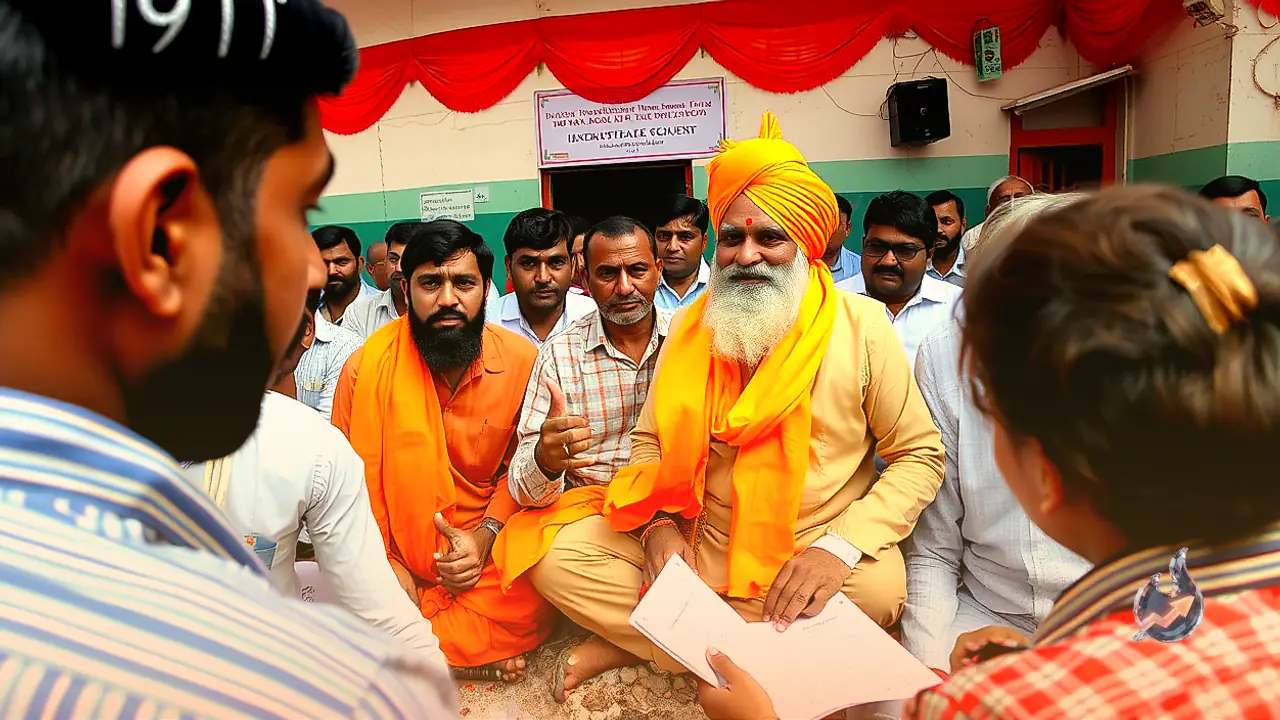
Field engineers were specifically advised to conduct regular public grievance hearings to listen directly to farmers facing electricity issues. By engaging on the ground, Assistant Engineers and Junior Engineers are expected to resolve local disputes, meter discrepancies, and supply concerns right at the sub-division level. With these detailed guidelines addressing maintenance, helpline resolution, renewable adoption, and revenue mobilization, local engineering units are now tasked with executing the operational plan across Dhaulpur district.