


















Agriculture in Rajasthan's Jalore district is undergoing a noticeable transformation as local growers step away from conventional farming methods. Amid a continuous search for crops that yield higher profits while consuming less water, date palm cultivation has emerged as a viable and lucrative alternative. The hot and arid climate characteristic of this region is proving to be exceptionally well-suited for cultivating foreign date varieties, paving the way for innovative agricultural practices.
Expansion of Foreign Date Varieties in Bhinmal
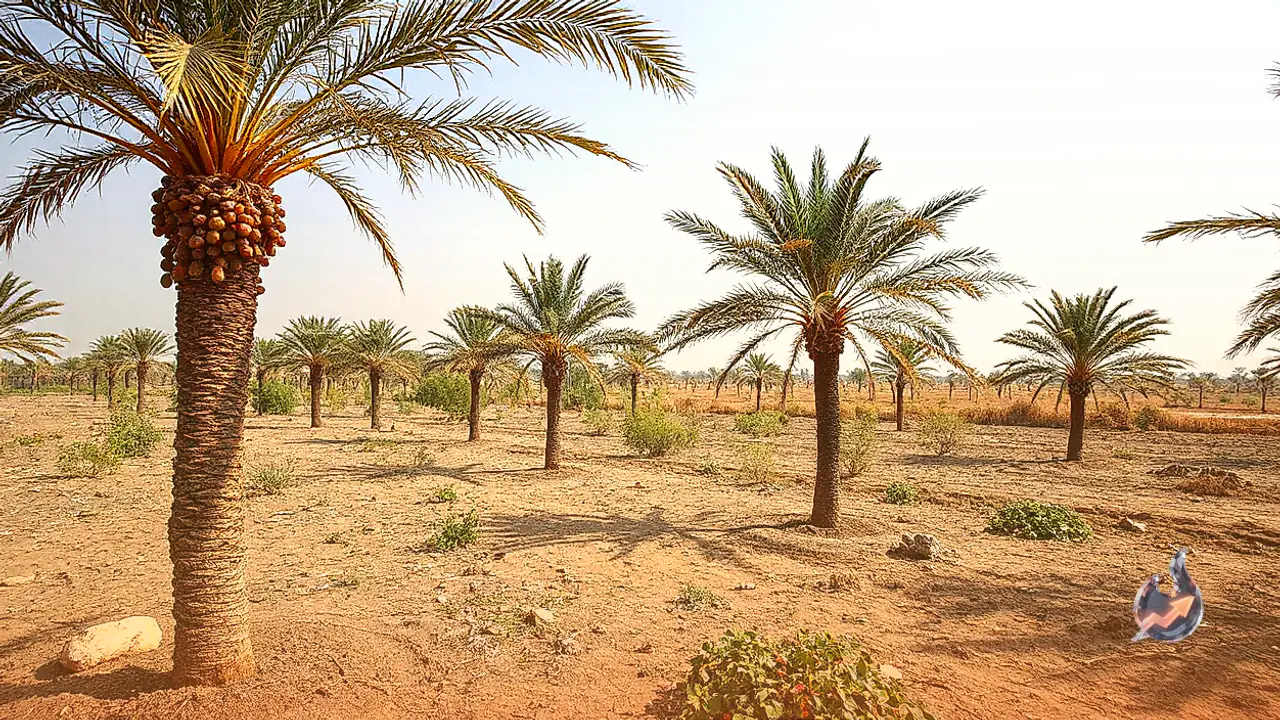
Farmers in the Bhalni and Data villages located within the Bhinmal sub-division have successfully embraced date palm cultivation. These fields now feature advanced crop varieties imported directly from Saudi Arabia and South Africa. Prominent among these are varieties such as Barhi, Khalasa, and Medjool. Experts note that the defining feature of these specific strains is their ability to yield premium-quality fruit, provided they receive appropriate maintenance and favorable environmental conditions.
Balancing Low Water Usage with Strong Returns
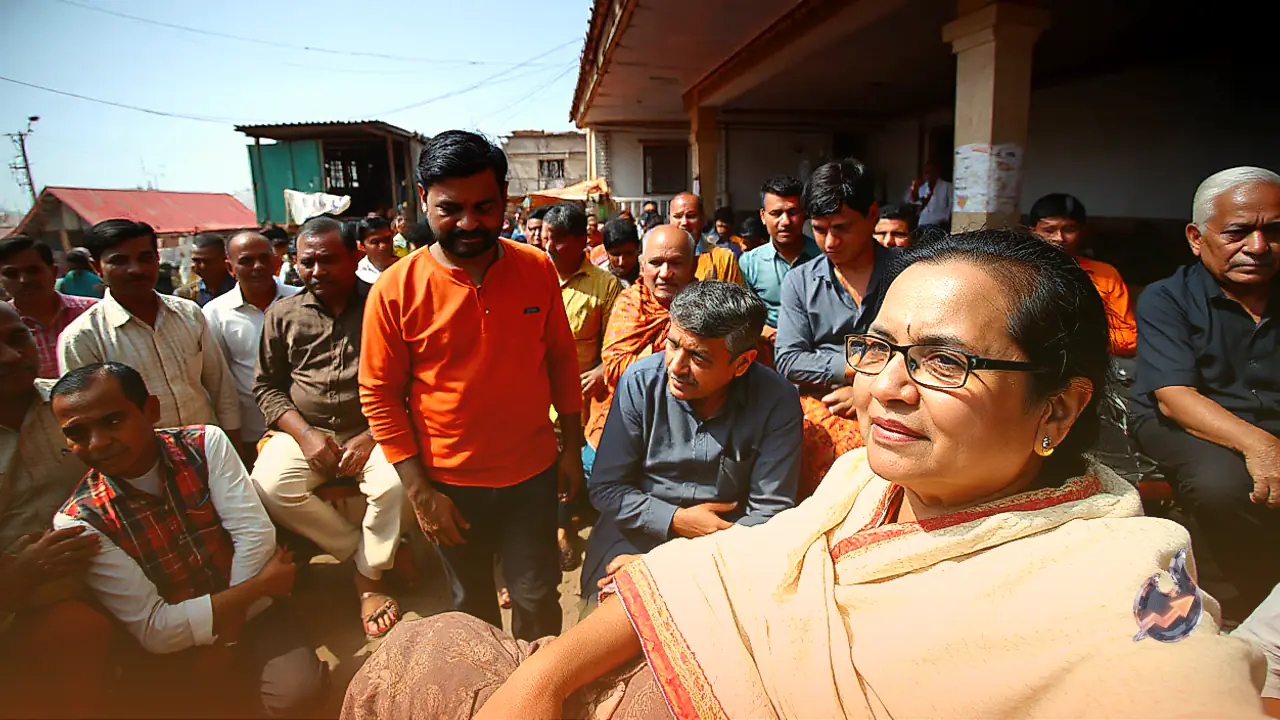
Local grower Hanif Mehar shared that his family previously relied entirely on traditional crop cycles, but after learning about the viability of date palms, he decided to experiment with the new crop. He noted that Jalore's weather pattern aligns well with the biological needs of date palms. Furthermore, the overall water requirement for these trees remains substantially lower compared to many alternative crops. With meticulous care during every stage of plant growth, farmers can realistically anticipate robust financial returns.
Importance of Proper Plant Selection and Management
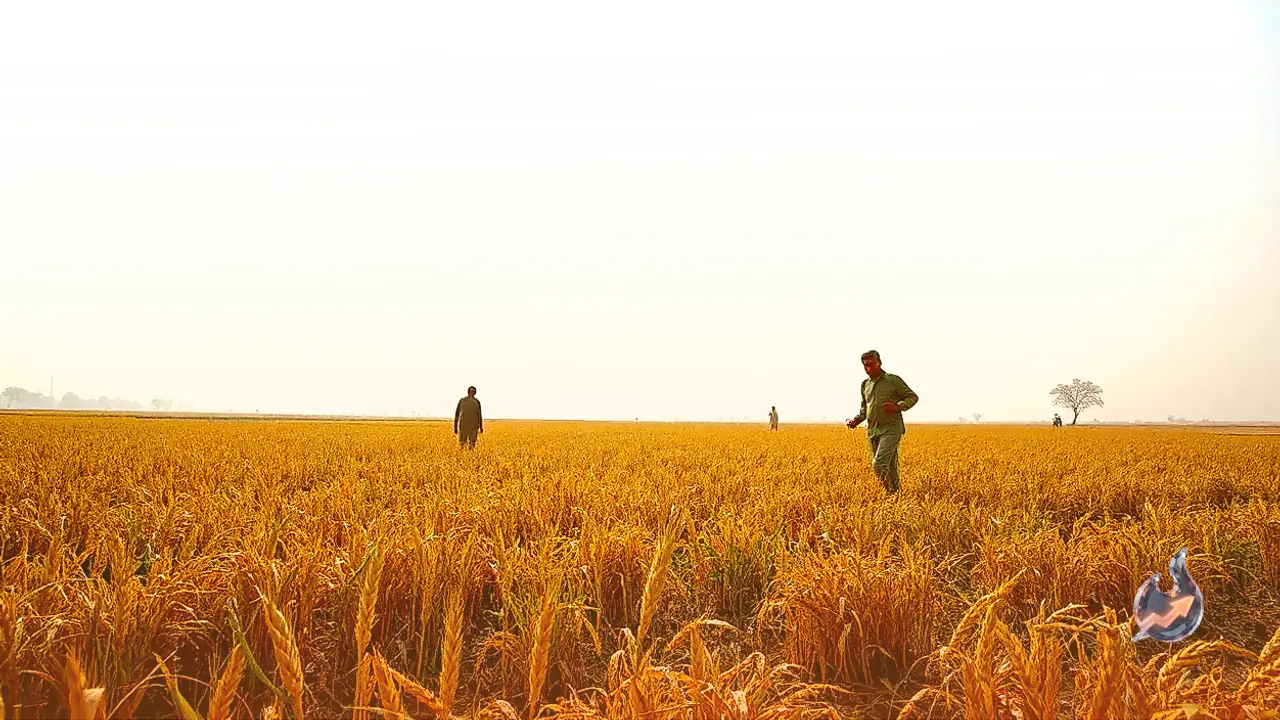
Successful date farming hinges on several technical prerequisites, chief among them being the careful selection of healthy saplings and planting them at optimal intervals in the field. Maintaining adequate spacing ensures that every tree receives sufficient sunlight and air circulation. As the palms mature over time, proper spacing also simplifies the maintenance and harvesting of heavy fruit bunches. Additionally, growers must pay close attention to preventing water stagnation in the fields while ensuring timely, measured irrigation.
Narmada Canal Boosts Horticultural Prospects
The rapid expansion of date palm farming in Jalore is driven not only by climatic advantages but also by improved irrigation infrastructure. Areas connected to the Narmada Canal network have experienced a surge in horticultural potential due to steady water availability. Consequently, neighboring farmers are increasingly viewing date cultivation as a dependable secondary revenue stream alongside traditional harvests. The successful adaptation of varieties like Barhi, Khalasa, and Medjool highlights a broader shift toward horticulture in the region. If the total acreage dedicated to date palms continues to expand in the coming years, it could establish a distinct new agricultural identity for Jalore.