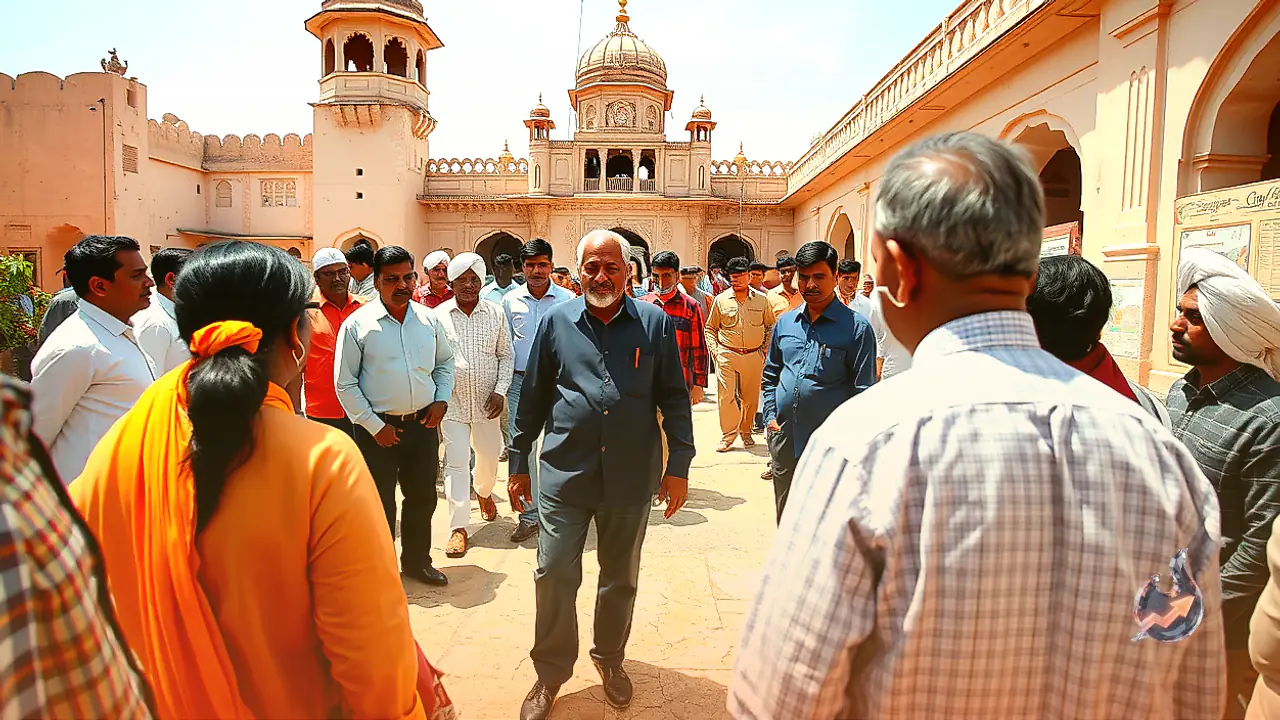







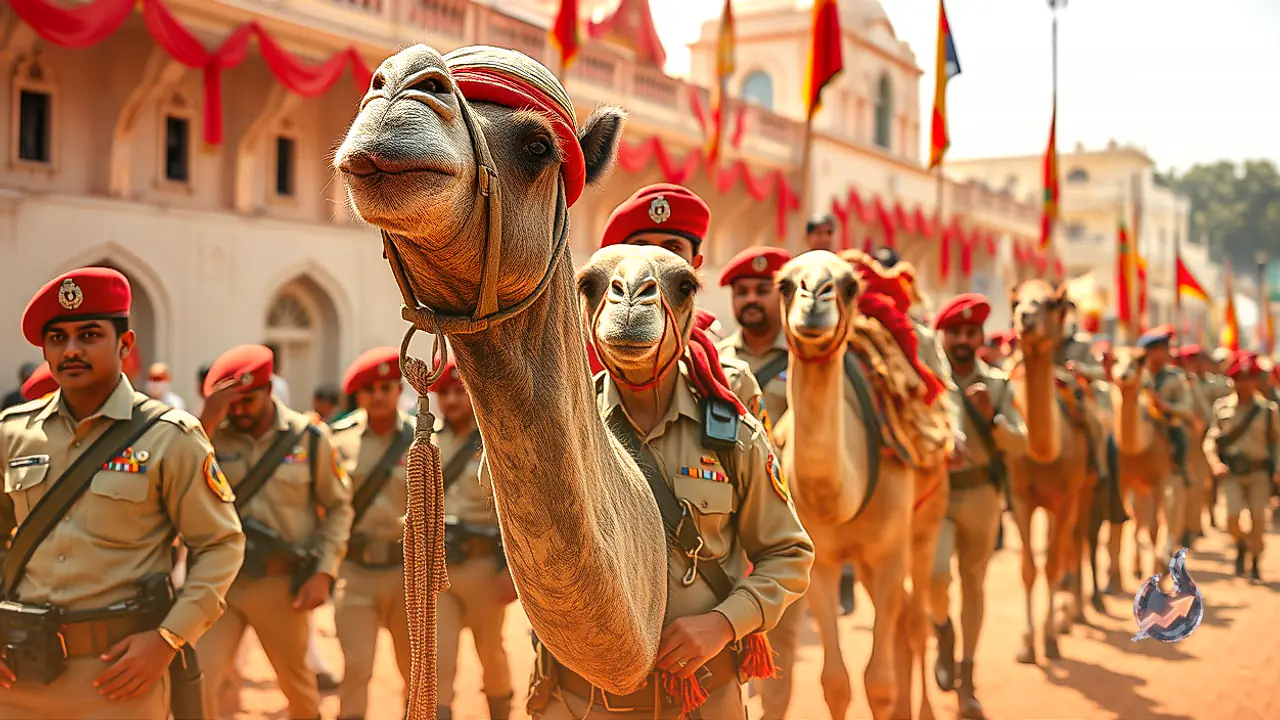














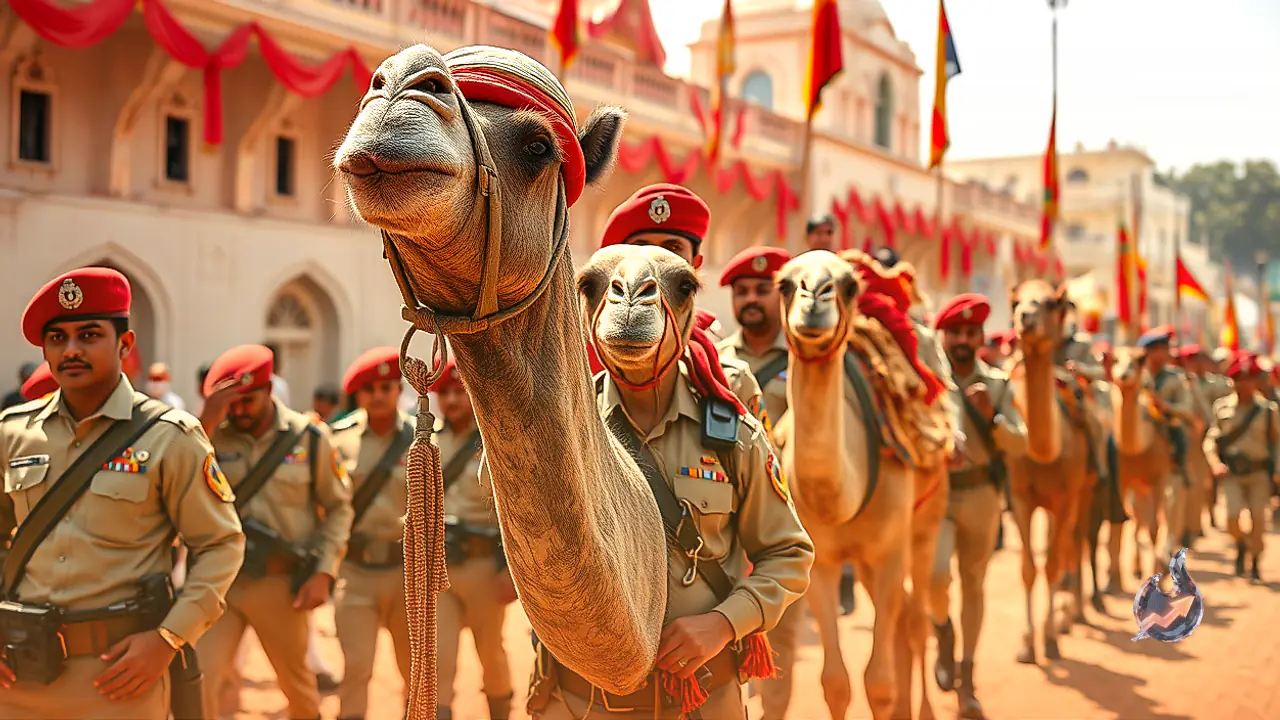

One of the oldest and most distinguished military formations in the Indian Army, the 13 Grenadiers 'Ganga Jaisalmer Risala', commemorated its 561-year-old legacy of valour during a special gathering in Jaipur on October 3. Tracing its operational lineage all the way back to 1465, the battalion draws a significant share of its dedicated soldiers from the desert districts of Rajasthan, including Sikar, Jhunjhunu, and Nagaur, whose local communities have upheld its ranks across generations.
Evolution from Desert Camel Troopers to Standard Infantry
The unit originally came into existence as a camel-mounted force specifically organized to fight battles across demanding desert terrain. As military warfare transformed over centuries, the formation adapted to evolving tactical requirements while preserving its foundational heritage. Today, the unit serves the nation as a formidable standard infantry battalion within the Indian Army, executing regular frontline operations with advanced operational preparedness.
Frontline Action in the 1965 and 1971 Indo-Pak Wars
The operational history of the battalion includes decisive battle honours from critical post-independence conflicts. During the 1965 Indo-Pak War, the battalion successfully protected the Tanot Mata temple while taking control of the vital military posts of Sanchu and Sadhewala. In the subsequent 1971 war, the battalion executed deep territorial maneuvers, capturing approximately 300 square kilometres of Pakistani territory and bringing strategically critical positions such as Ranhal and Bijnot under firm Indian control.
Three Generations of Service and Col Rathore's Reflections
Soldier Welfare Minister Col Rajyavardhan Singh Rathore attended the commemorative event as a specially invited guest, carrying a deep personal connection to the battalion. Three generations of his family have served within this renowned risala, representing a lineage that witnessed action through the First World War, the Second World War, and the conflicts of 1965 and 1971. Saluting the unit's bravery, enduring traditions, and sacrifices, Col Rathore remarked that such an extraordinary military heritage is not merely historical record, but a living inspiration for future generations.