


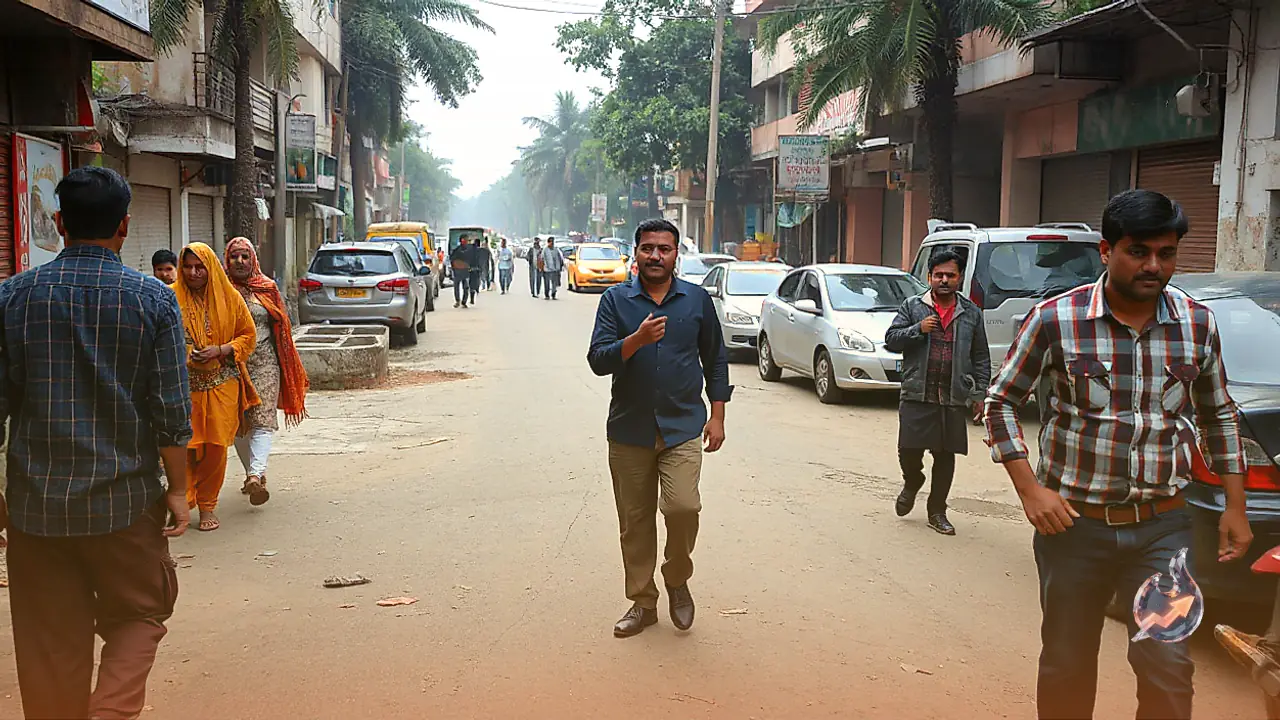

















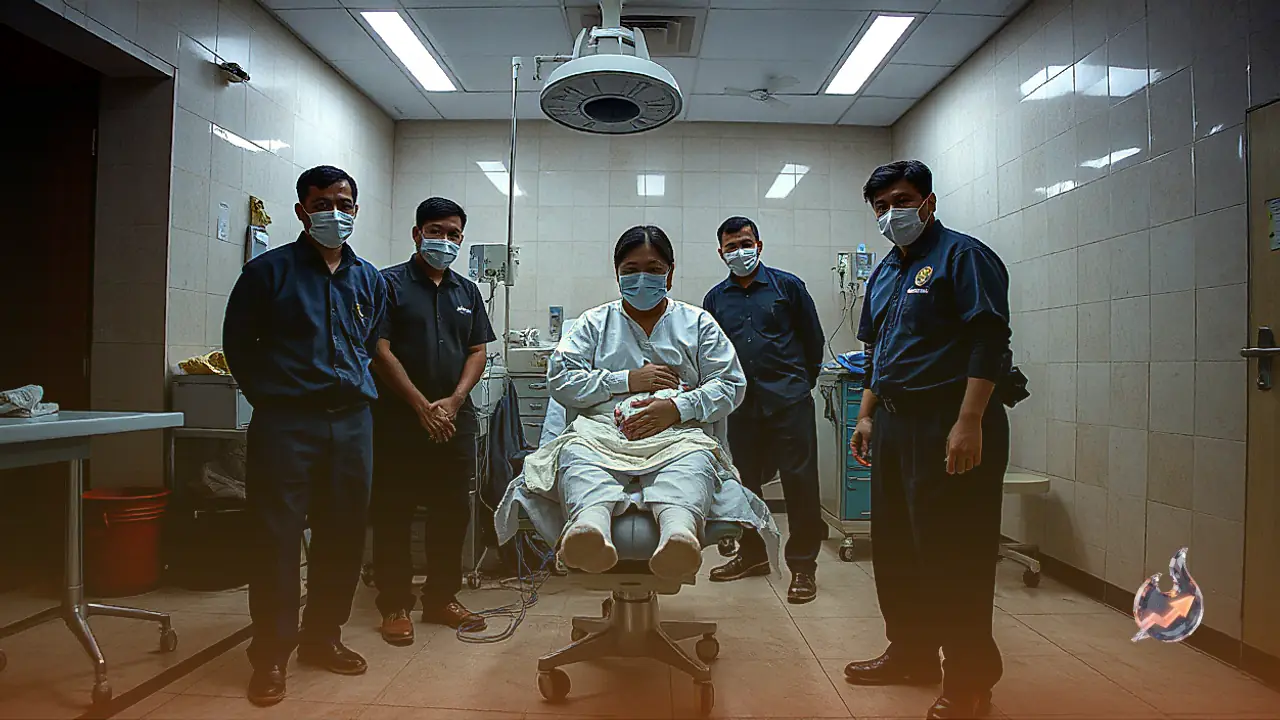

A 26-year-old woman from Baran district has died following a cesarean section delivery at JK Lon Hospital in Kota, Rajasthan. Her passing marks the third maternal fatality recorded across state-run healthcare facilities in Kota within a brief span of just nine days. The deceased patient has been identified as Shabnam Bano, a resident of Bari village situated in the Chhabra region of Baran district. In the aftermath of the tragic loss, her grieving family members have voiced sharp allegations of gross medical negligence against the attending healthcare staff, asserting that the patient was subjected to prolonged fasting ahead of surgery and suffered an immediate health collapse after an intravenous infusion was administered.
In response to these serious claims, the medical superintendent of JK Lon Hospital, Dr. Nirmal Sharma, stated that the woman was already in a comatose condition when she was brought into their facility. The sharp divergence between the family's accusations and the hospital administration's official position has intensified public scrutiny surrounding maternal healthcare standards in Kota's premier public hospitals. This latest incident follows recent similar occurrences where post-cesarean complications proved fatal for newly delivered mothers, creating acute alarm among families relying on public health infrastructure in the region.
Blood Pressure Plunged After Cesarean Delivery, Leading to Fatal Collapse
According to relatives, 26-year-old Shabnam Bano had been admitted with the expectation of a routine and safe childbirth. Family members stated that medical personnel performed a cesarean operation at around 11:30 pm on Friday night, delivering a baby girl. However, her physiological stability deteriorated rapidly in the surgical ward shortly after the procedure was completed. Her family noted that her blood pressure began dropping continuously without signs of stabilizing. Despite emergency interventions, Shabnam succumbed to her deteriorating state at approximately 10:00 pm on Saturday night.
Family Claims Protracted Fasting and Adverse Reaction to Intravenous Drip
Recounting the sequence of events, the deceased woman's brother, Sarfaraz, explained that Shabnam had initially been admitted to the government hospital in Baran. The medical team there had scheduled her surgical procedure for October 23. Her family alleged that hospital staff instructed that all food and water intake be completely stopped starting the night of October 22 under the pretext of surgical readiness. Relatives emphasized that more than 12 hours elapsed without the scheduled surgery actually taking place.
The family further maintained that shortly after healthcare workers administered an intravenous drip at the facility, Shabnam unexpectedly began experiencing violent seizures. As her physical condition worsened rapidly and vitals crashed, local doctors determined that she required advanced critical care and referred her immediately to the tertiary care facility in Kota. Despite reaching the apex hospital, the woman could not be revived, leaving the family demanding a formal inquiry into the handling of her case.
Hospital Superintendent Asserts Patient Was Admitted in Comatose State
Confronting the allegations of procedural negligence, JK Lon Hospital Superintendent Dr. Nirmal Sharma presented the hospital management's perspective. Dr. Sharma affirmed that the patient was already in an unresponsive, comatose condition at the exact moment she was admitted through the hospital gates. This medical assessment directly counters the family's narrative that deteriorating health stemmed from actions taken during her transfer or subsequent institutional care in Kota.
At present, the precise clinical catalyst responsible for her acute medical collapse remains unconfirmed by official panels. Determining whether the fatal outcome resulted from underlying systemic shock, severe surgical complications, or procedural oversight will necessitate a meticulous audit of both the Baran and Kota clinical files, the medications dispensed, and the timing of each medical decision.
Three Fatalities in Nine Days Intensify Scrutiny on Regional Maternity Care
The occurrence of three maternal deaths across government facilities in Kota within a tight nine-day timeline has raised searching questions regarding clinical safeguards and emergency readiness in the division. Earlier cases had similarly reported sudden health declines and fatalities among women following surgical deliveries, involving complications such as internal abdominal hemorrhaging and sudden renal dysfunction. The repetition of such tragedies has unsettled prospective patients across neighboring rural belts.
Healthcare administrators have not confirmed whether the three recent fatalities share an identical underlying clinical pathology or if each stemmed from isolated obstetrical issues. With Shabnam's family pressing for accountability over treatment delays and the hospital highlighting the critical state in which she arrived, only an exhaustive technical inquiry and maternal death review will definitively establish the exact sequence of events leading to her demise.