


















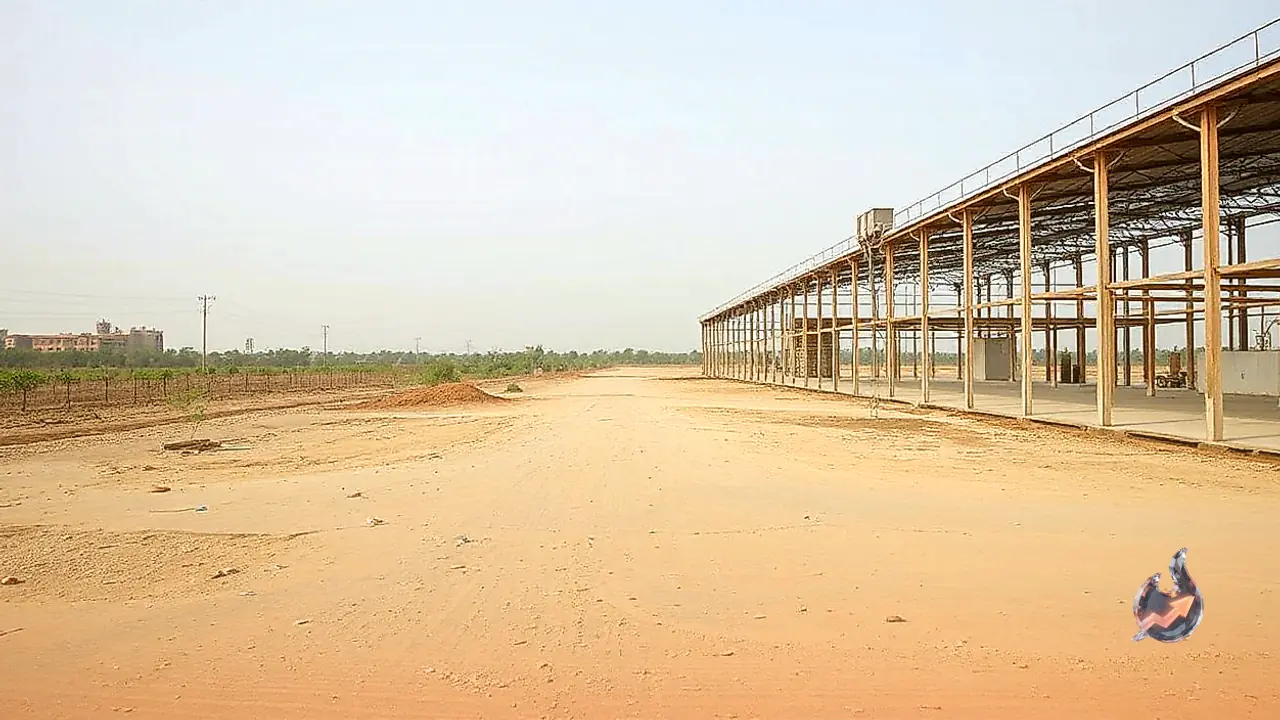

Construction work on India's premier integrated bioplastic plant in the Kumbhi region of Uttar Pradesh's Lakhimpur Kheri district is moving forward at a rapid pace and has now entered its final stages. Being developed at a substantial cost of approximately 3080 crore rupees, this ambitious project is expected to generate numerous new employment and self-employment opportunities for the youth of the region once it becomes operational. In addition to the main facility, authorities have planned to establish over 100 small ancillary factories nearby, which will manufacture various useful items derived from bioplastic. This major initiative is widely anticipated to give a significant boost to industrial development across the entire district.
Foundation and Land Acquisition Status
The foundation stone for this large-scale project was laid in February 2025 by Uttar Pradesh Chief Minister Yogi आदित्यनाथ at the Kumbhi unit premises of Balrampur Chini Mill. The entire bioplastic plant is slated to come up across a vast expanse of roughly 200 acres. Management and administrative teams have successfully identified around 135 acres of land so far, while efforts are underway to arrange for the remaining parcels. The successful launch of this enterprise is bound to multiply the growth potential of agriculture-based industries in this agrarian region.
Employment and Business Avenues for Local Youth
Dr. Sunil Yadav, Unit Head of the Kumbhi sugar mill, shared details noting that the establishment of this modern bioplastic plant will unlock unprecedented career pathways for local boys and girls. The blueprint includes setting up more than 100 small industrial units in the vicinity, where items such as bottles, glasses, single-use cups and plates, toys, garments, bags, and various daily utility goods will be produced.
He further explained that young individuals holding ITI and technical diploma credentials will be integrated into this industrial ecosystem through specialized training programs. By learning the manufacturing processes for products like cups, plates, and toys, youth can embark on their own entrepreneurial ventures. This will empower them to not only achieve financial independence but also generate jobs for others in the community. The rise of these small-scale manufacturing units is expected to invigorate local business production dynamics.
An Effective Solution for Agricultural Residue and Stubble Management
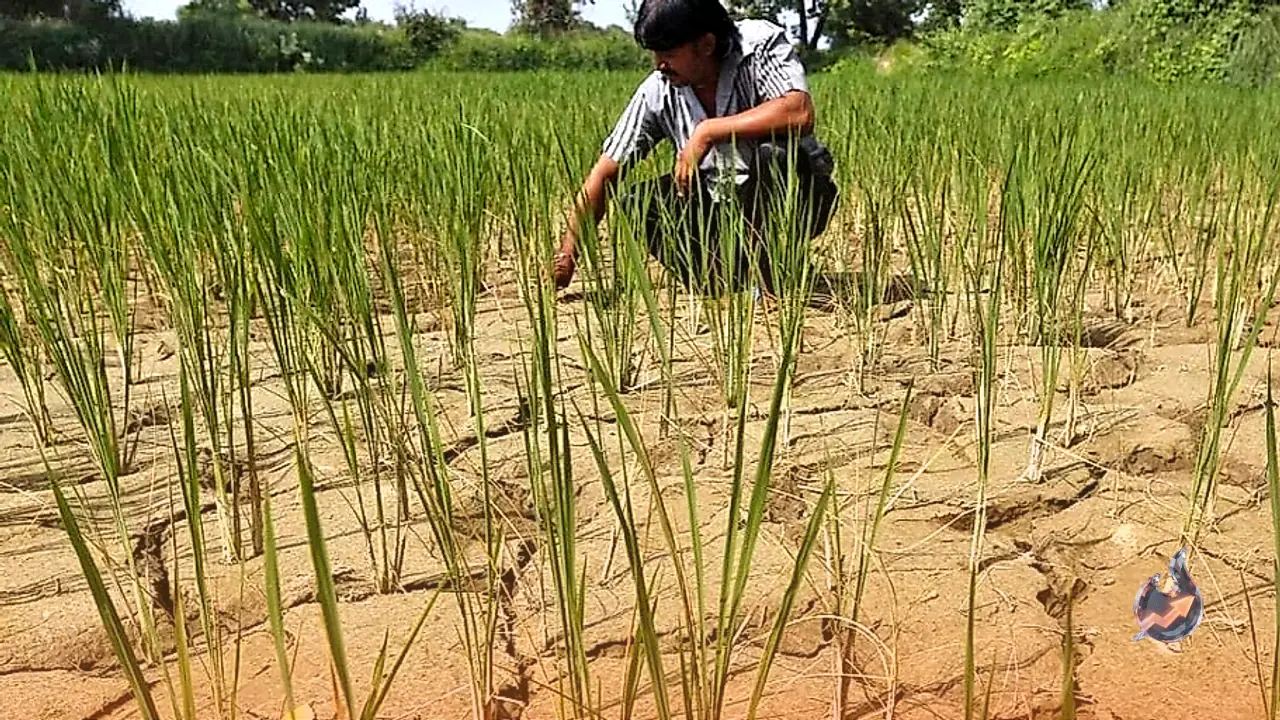
A standout feature of this bioplastic facility is its reliance on agricultural byproducts—such as sugarcane bagasse, paddy straw, sugarcane leaves, and other crop residues—to serve as fuel. Because Lakhimpur Kheri witnesses large-scale cultivation of both sugarcane and paddy, the district holds immense potential for efficient crop residue management. Farmers frequently burn leftover stubble in their fields after harvesting paddy, which triggers severe environmental pollution. Providing a proper procurement and logistical framework for these agricultural leftovers will present farmers with a viable and profitable selling option, ultimately helping to curb the persistent stubble-burning menace.
A New Chapter for the District's Industrial Landscape
This upcoming plant in Kumbhi could prove to be a historic milestone in steering the district toward robust industrial growth, widespread job creation, and scientific management of farm waste. Its commissioning will afford regional youth structured training, wage employment, and entrepreneurial openings. Meanwhile, the concurrent setting up of auxiliary manufacturing units will elevate local production capabilities. Citizens and stakeholders are now eagerly awaiting the final completion of the construction phase and the subsequent commencement of commercial manufacturing.