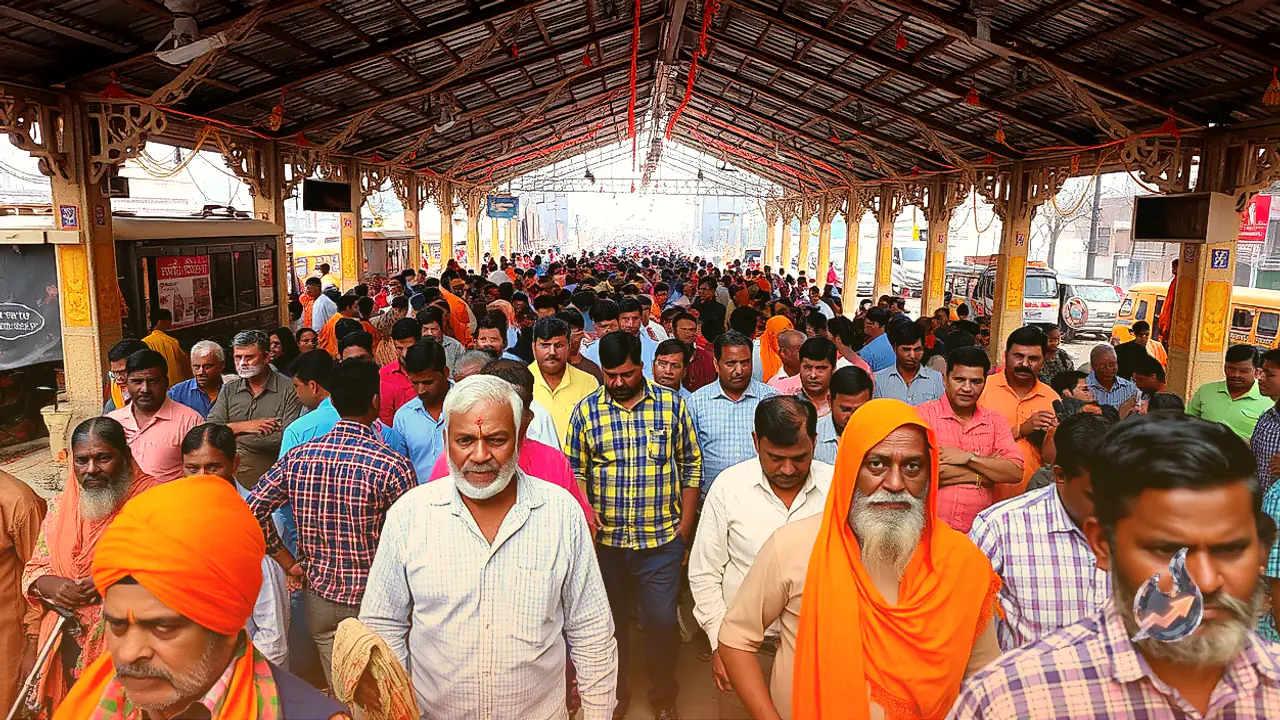




















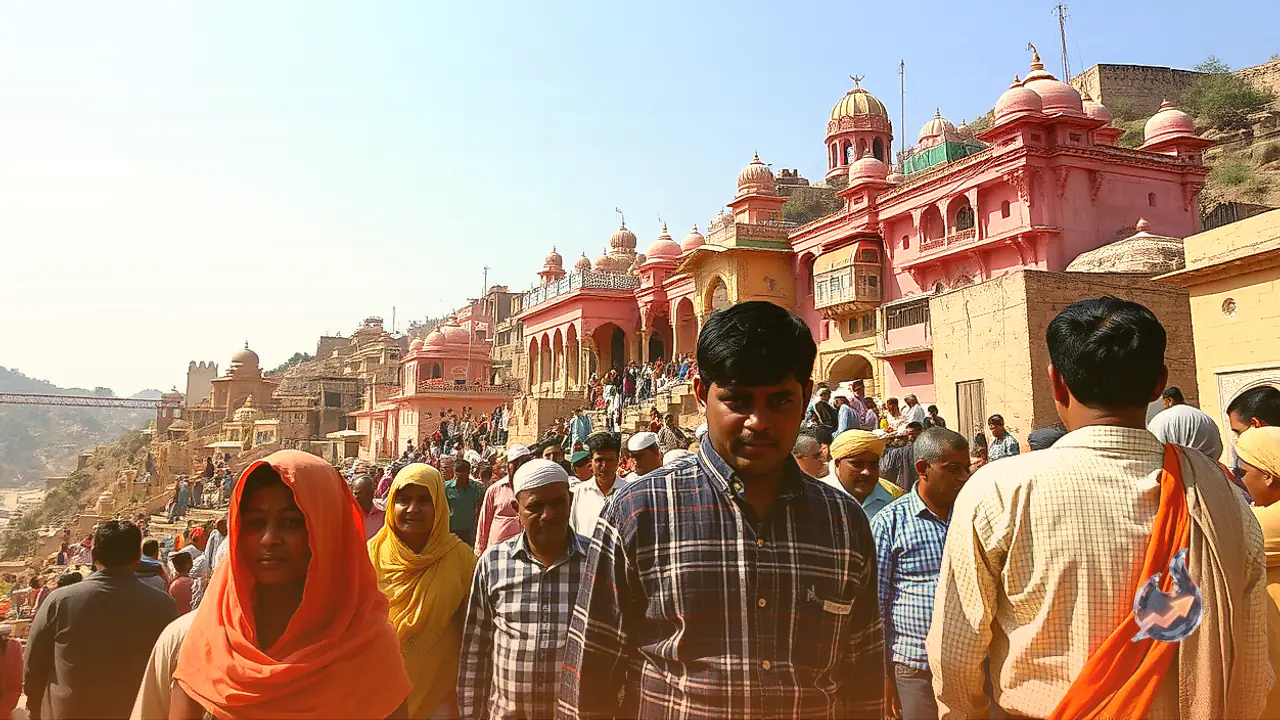

Across the nine auspicious days of Navratri, devotees dedicate themselves to the worship of Goddess Durga in her nine sacred forms, flocking in large numbers to historic shrines. Situated roughly 16 kilometres outside Ajmer in the sacred town of Pushkar is an ancient shrine with profound mythological roots linking it directly to Goddess Sati. Nestled around the Puruhuta mountain, the Rajrajeshwari Puruhuta Mani Vedic Shakti Peeth holds the distinct status of being the 15th among the traditional 108 Siddha Peeths. According to sacred lore, this holy site marks the exact location where the wrists of Goddess Sati came to rest. As a result, the temple witnesses an influx of pilgrims seeking special prayers and blessings throughout Navratri.
How the Sacred Shrine Moved from the Peak to the Foothills
Sharing the origin story of the shrine, temple priest Umendra Puri explains that during ancient times, the deity originally rested on the very peak of the mountain in the sacred form of a pindi. An ardent devotee would regularly climb the steep mountain every single day to offer prayers and perform rituals. However, as advanced age took its toll and the steep climb became increasingly difficult, the devotee made a heartfelt, selfless plea to the Goddess.
The worshipper requested that she descend and establish her seat at the base of the hill, allowing not just him but regular pilgrims of all ages to seek her blessings without enduring an arduous journey. Moved by the pure dedication and earnest prayer of the devotee, the divine presence chose to descend to the foothills, where devotees now visit her shrine.
Connection with Brahma's Great Yajna and Multiple Manifestations
Priest Umendra Puri further noted that the historical and religious significance of this Shakti Peeth is intimately intertwined with the legendary yajna performed by Jagatpita Lord Brahma in Pushkar. Within the temple complex, devotees worship various divine manifestations under specific names and customs. Pilgrims offer reverence to Maa Mahakali alongside the protective power of Maa Chamunda.
Furthermore, a combined divine manifestation of Goddess Lakshmi and Goddess Saraswati receives worship under the holy name of Ambe-Ambalika. The presence of Goddess Gauri alongside Lord Ganesh also remains a deeply revered centre of devotion for visitors. The broader Ajmer and Pushkar belt is home to several ancient shrines that have sustained deep spiritual traditions and reverence across multiple centuries.