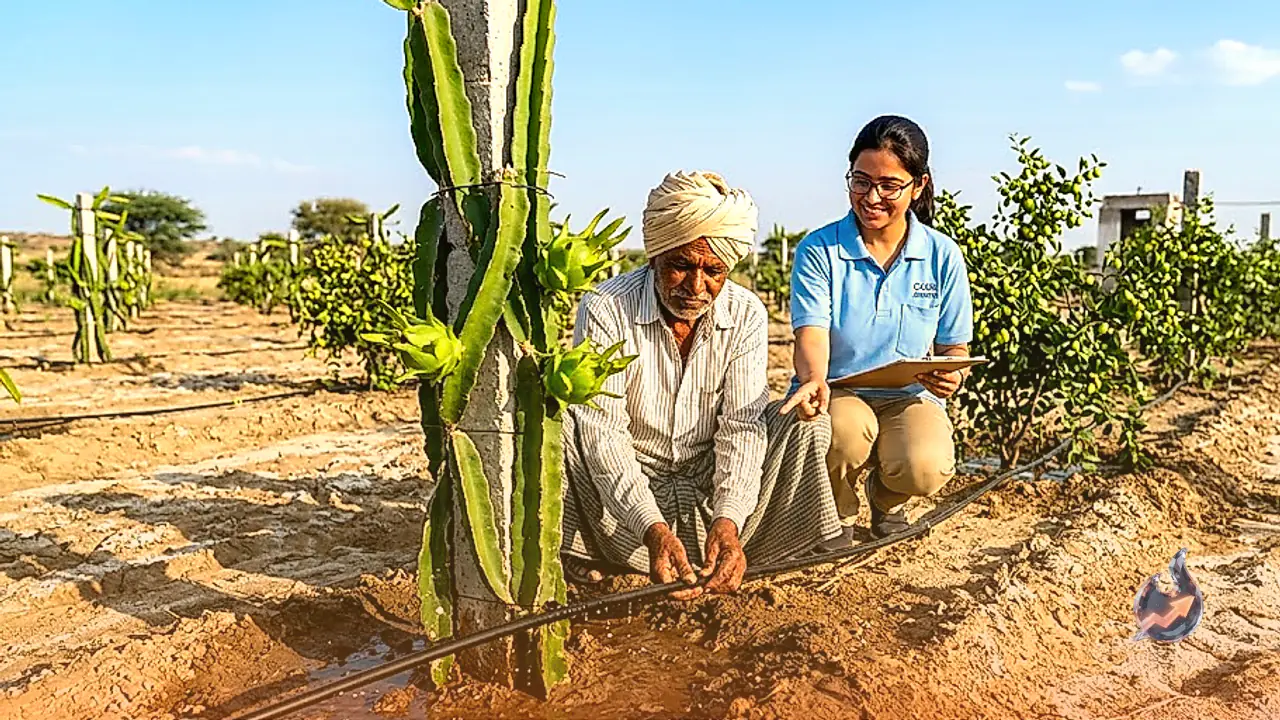























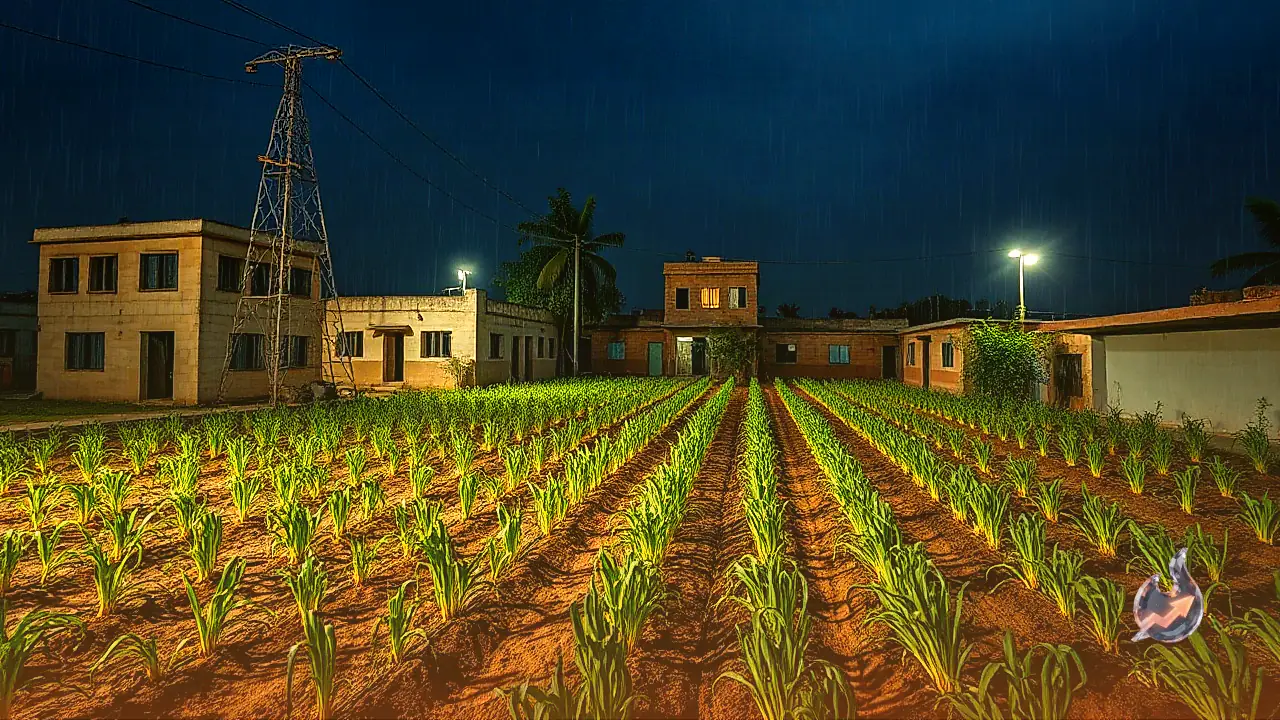

Continuous spells of rain throughout August have cast a dark shadow over the cultivation of sweet onions in the Sikar district of Rajasthan, an agricultural region renowned across the country for this specialized produce. With more than a fortnight of the current sowing season already lost, farmers find themselves entirely paralyzed as excessive moisture levels make the soil unworkable. Fields remain too muddy for tractor plowing or seedbed preparation, delaying the initiation of onion nurseries. The unexpected weather disruption threatens to dismantle the entire seasonal crop timeline, causing immense anxiety among the local farming community.
Excess Soil Moisture Disrupts Early Crop Schedule
Agricultural guidelines establish the first fortnight of August as the most critical window for early onion cultivation. Typically, farmers prepare dedicated nursery beds and sow seeds during the first week of August. It takes between 50 to 55 days for these seeds to develop into sturdy saplings ready for transplantation, which usually occurs between September 15 and October 15 in the primary agricultural fields. However, persistent ground wetness this year has completely halted seedbed preparation. Farmers are hesitant to take risks, fearing that sudden rainfall after laying out seedbeds would immediately wash away expensive seeds and destroy their labor.
Farmers Left Waiting for Fields to Dry
The operational delay has forced growers into an involuntary waiting game. Local farmer Jawan Singh explained that while he normally utilizes quintals of seeds every season to raise large-scale sapling nurseries, his daily schedule currently consists of simply waiting for the land to dry enough for plowing. Similarly, another farmer named Omprakash noted that he routinely raises saplings from 30 to 40 kg of onion seeds each year, yet extreme moisture has prevented him from even conducting initial field tillage. For these cultivators, the lost time extends far beyond a delayed start; it represents a compounded risk of escalating cultivation costs, lowered crop yield, and unviable market realization.
Late Market Arrival Threatens Price Realization
Wholesale traders operating at the Sikar mandi anticipate that the sowing delay will heavily disrupt market dynamics and farmer profitability. Early harvest arrivals traditionally command premium prices in wholesale markets due to lower initial supply nationwide. Because of the current stall in nursery planting, this year's harvest will not reach the wholesale market until late February. By that period, fresh onion harvests from other districts in Rajasthan as well as neighboring agricultural states will flood the market simultaneously. This massive influx is expected to create a market glut, driving down wholesale prices and suppressing demand for Shekhawati onions.
Huge Stakes Across 70 Villages and 500 Crore Economy
Data from the Department of Horticulture underscores the vast scale of onion farming in the belt. The Shekhawati region cultivates between 45,000 and 50,000 hectares of onions annually, with Sikar district alone accounting for 22,000 to 25,000 hectares of this total acreage. The onion economy in Sikar generates an estimated annual turnover of 500 crore rupees. Major production is concentrated across more than 70 villages, including Rasidpura, Ketli Nagar, Bhairumpura, Akwa, Bathoth, Dadiya, and Mailasi spread across the Dhod, Dantaramgarh, and Laxmangarh blocks. Madan Lal Jat, Deputy Director of the Department of Horticulture, stated that farmers and department officials now rely entirely on clear weather conditions in the coming days to resume agricultural operations.