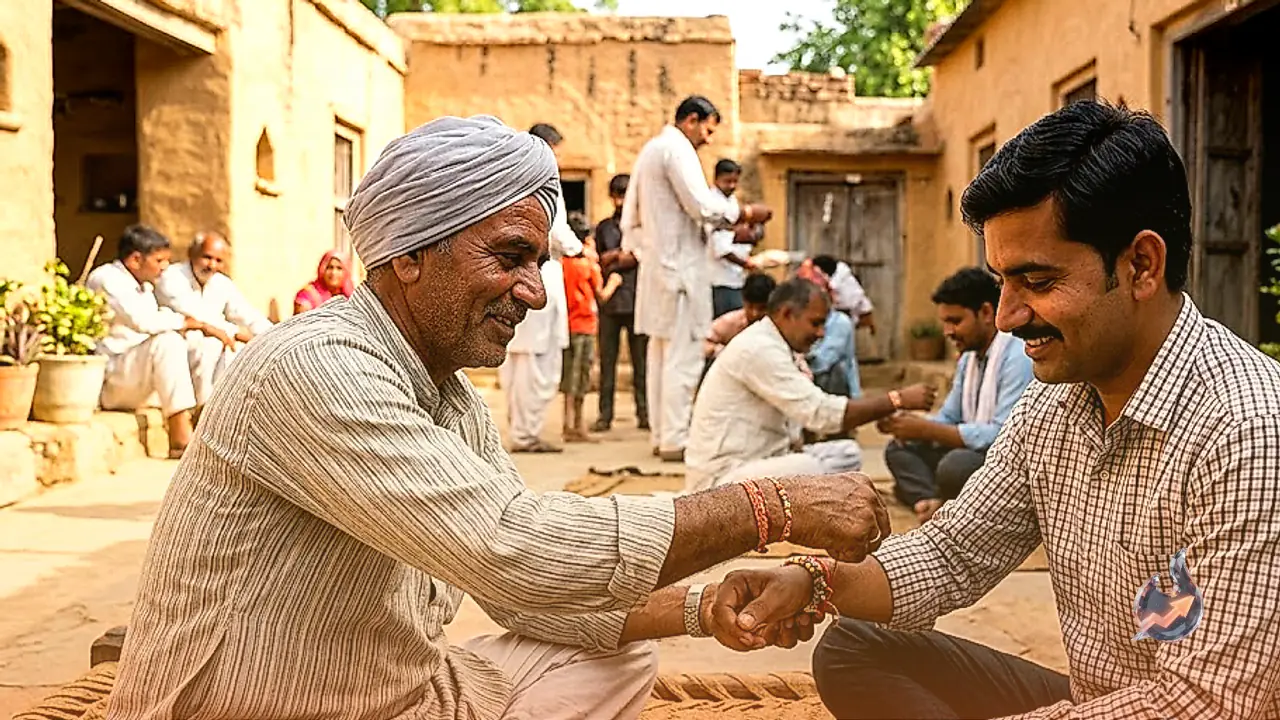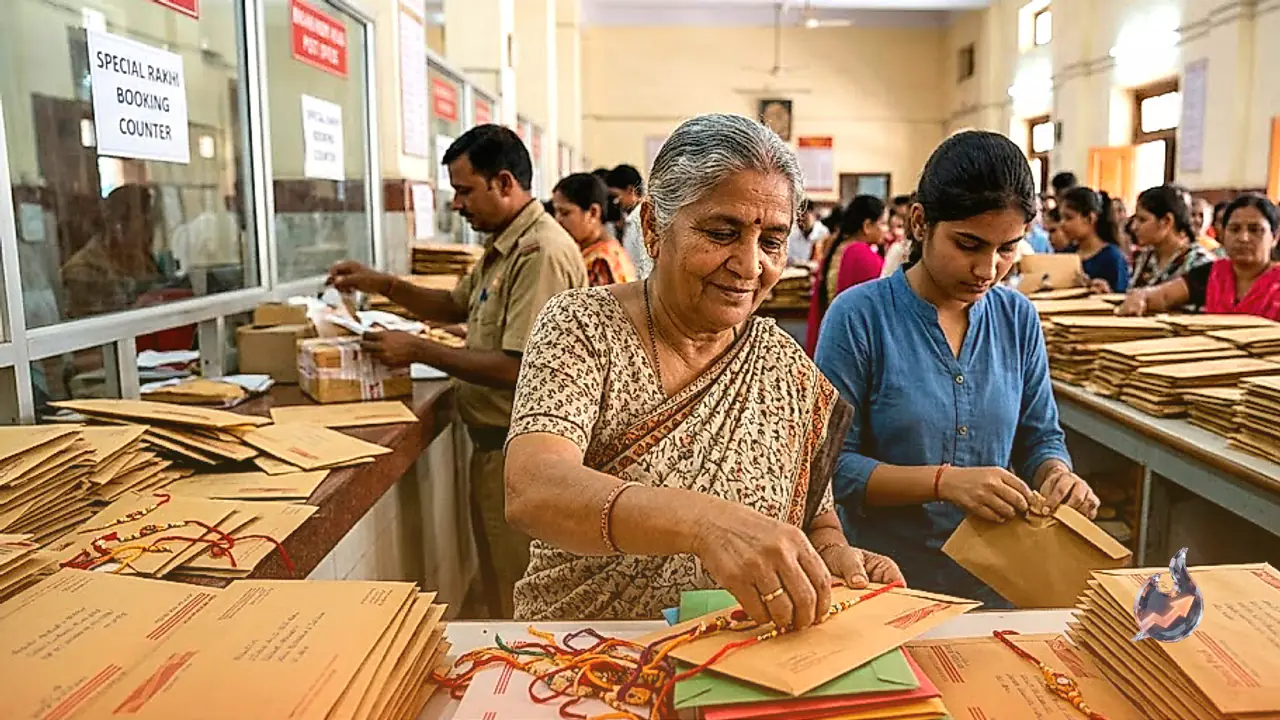


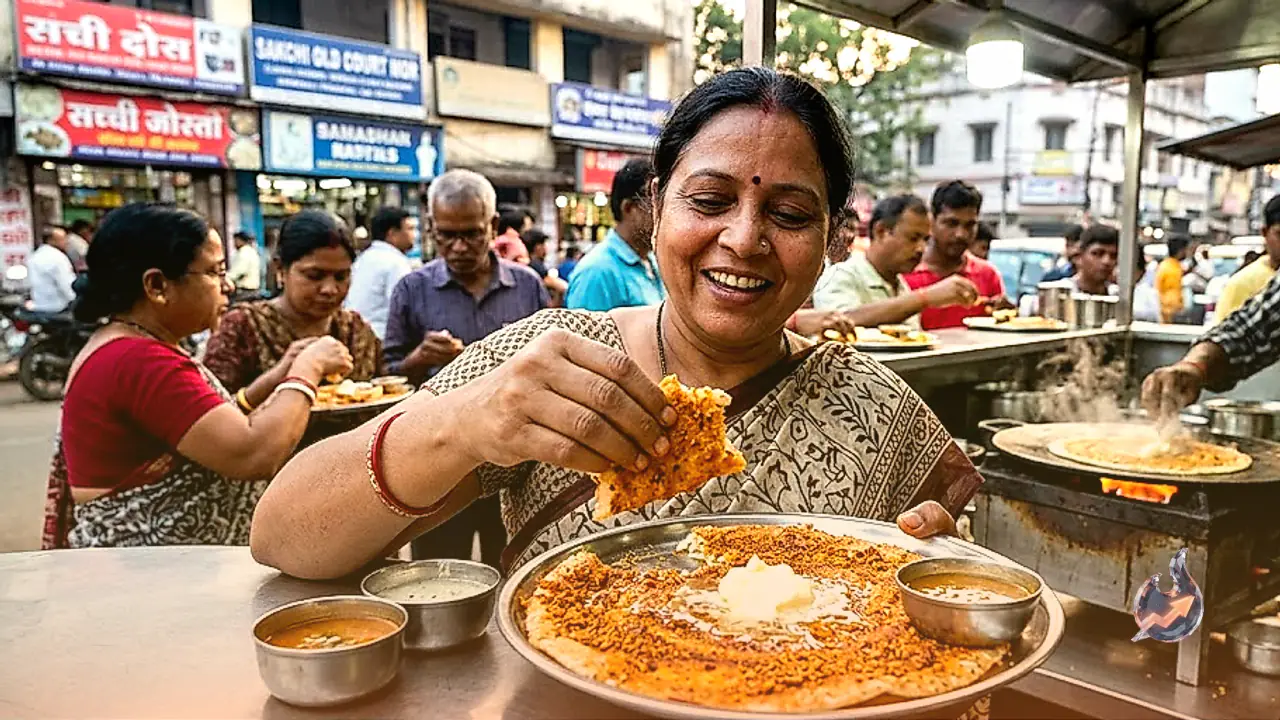
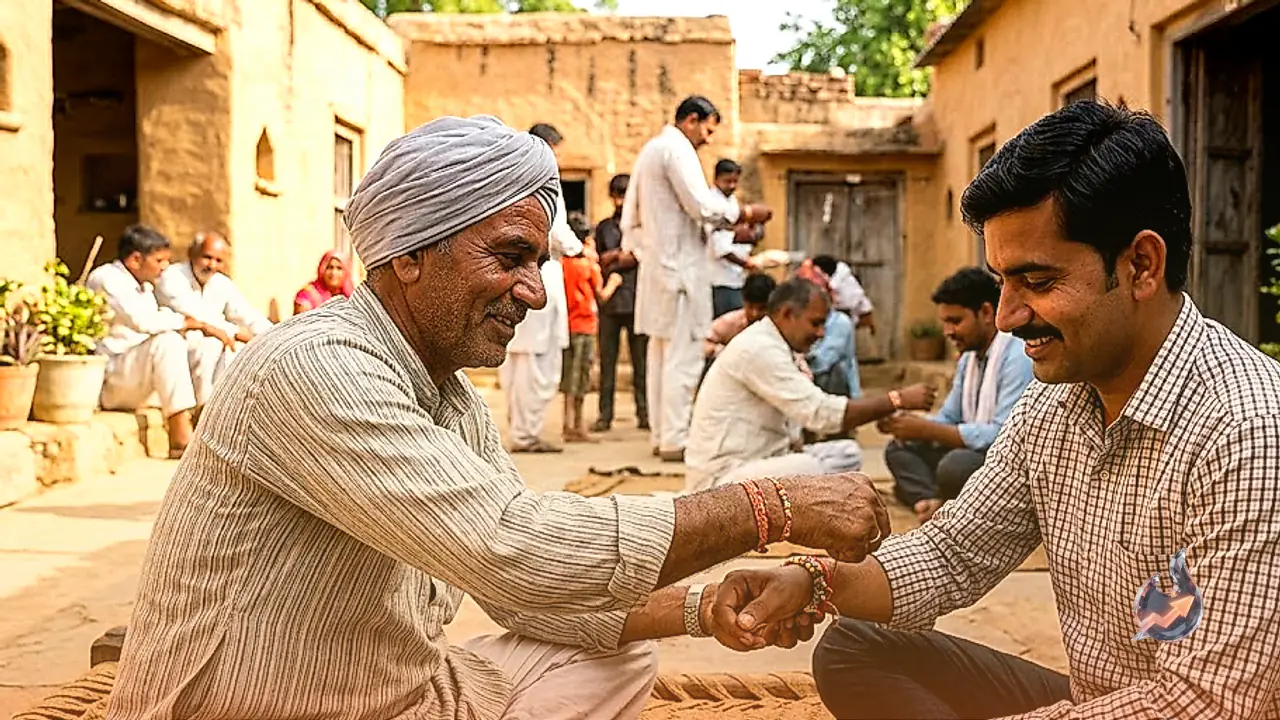














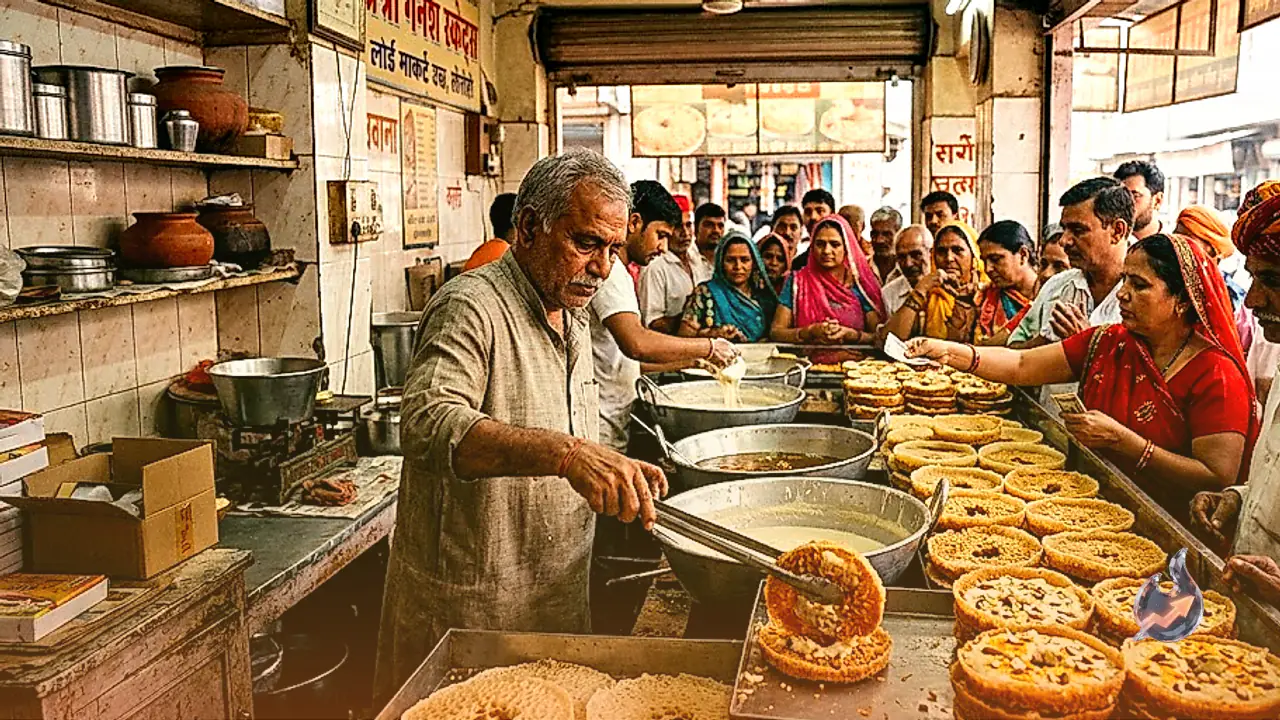

As the festival of Rakshabandhan arrives, markets across Sirohi are filled with festive energy and vibrant crowds. Sweet shops in the town are witnessing heavy customer footfall, with the traditional delicacy Ghevar taking center stage among festive purchases. For the residents of Sirohi, Ghevar is far more than just a sweet treat; it serves as a cherished symbol of celebration, joy, and family togetherness during this annual festival.
Rich Layers of Mawa and Rabri Enhance Festive Traditions
Renowned for its crunchy texture and rich sweetness, Ghevar appeals to people of all generations. The special versions adorned with generous layers of Mawa and Rabri are particularly sought after, becoming a central element on the ritual thali used by sisters during Rakshabandhan ceremonies. Right from early morning, long queues can be seen outside major confectioners across Sirohi. Customers are buying the sweet for their households while also choosing it as an ideal festive gift for sisters.
An Exclusive Three-Day Annual Availability Drives Demand
According to local sweet makers, the tradition of preparing Ghevar in Sirohi is uniquely structured. Confectioners craft this traditional sweet for a brief window of only three days in the entire year around the Rakshabandhan festival. This strictly limited production schedule causes market demand to multiply rapidly. Because the sweet is available for such a short duration each year, residents eagerly line up to ensure they do not miss out on the seasonal treat.
Centuries-Old Cultural Connection to Sawan and Rakshabandhan
According to cultural and religious traditions, Ghevar has been associated with the holy month of Sawan and Rakshabandhan for centuries. Ancient customs involved preparing and sharing Ghevar with family and close relatives during the Sawan season to express affection and celebrate seasonal abundance. The people of Sirohi have preserved this traditional legacy with remarkable enthusiasm, keeping the cultural practice fully active today.