




















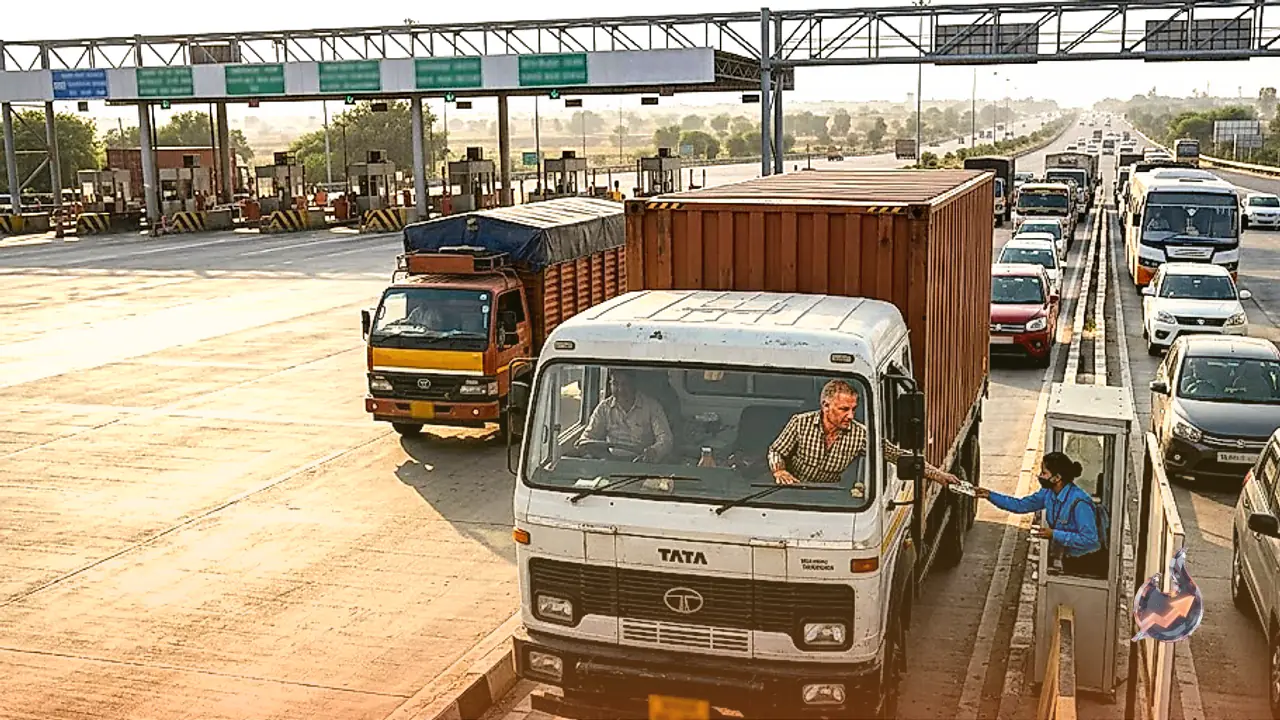

The National Highways Authority of India has officially rolled out a revised toll fee structure for all major expressways and national highways connecting to Jaipur. Effective precisely from midnight, the updated tariff brings an average hike of eight to twelve percent across various vehicle categories. This annual toll review means that travelers driving out of the Rajasthan capital toward key destinations like Delhi, Ajmer, Sikar, and Khatushyamji will now have to allocate a larger budget for their road journeys. The sweeping changes affect everyone from private car owners to operators of heavy commercial transport.
Steeper Costs on the Jaipur to Delhi Corridor
The most prominent impact of this tariff revision is visible on the heavily trafficked route connecting Jaipur to the national capital. For private cars and jeeps, the one-way toll charge on the Jaipur-Delhi stretch has been increased from the previous 375 rupees to 395 rupees. This flat 20-rupee addition per trip might seem incremental, but it adds up significantly for frequent travelers and corporate fleets operating between the two major cities. The toll adjustments are applied proportionally across different vehicle classes, meaning that multi-axle trucks and commercial passenger buses are also facing a noticeable upward revision in their transit costs.
Ripple Effects on Freight and Bus Fares
Highway tolls represent a major operational expense for the logistics and transport sectors. With heavy commercial vehicles and trucks now paying higher fees at the booths, transport unions and fleet operators are expected to pass these additional costs down the supply chain. This hike in freight rates naturally creates an inflationary pressure on the prices of everyday goods and raw materials transported by road. Similarly, operators of interstate and long-distance private buses will likely adjust their ticket prices to absorb the increased toll burden. Consequently, even citizens who do not own a vehicle or drive on the highways will indirectly feel the financial pinch through elevated travel fares and the rising cost of commodities.
Impact on Religious Tourism and Other Toll Plazas
Beyond commercial transit, the revised rates heavily impact religious tourism and regional connectivity. Devotees traveling from Jaipur to the revered Khatushyamji temple will now have to pay 80 rupees at the Tantiawas toll plaza for a standard car. The route sees massive surges in traffic during weekends and the auspicious days of Ekadashi, meaning thousands of pilgrims will immediately experience this budget increase. The National Highways Authority of India has also implemented these revised structures at several other crucial checkpoints in the region. Commuters passing through the Nekawala, Sitarampura, and Bhagwas Chaurasi toll plazas are now subject to the updated payment brackets.
Relief Measures for Local Residents and Return Journeys
Despite the general increase in transit fees, certain standing exemptions and discounts have been preserved to shield daily, localized travelers. Motorists who complete a return journey through a toll plaza within a twenty-four-hour window will continue to benefit from the standard return trip discount. Furthermore, the authorities have maintained the monthly FASTag pass facility for local villagers and residents living within a twenty-kilometer radius of any given toll plaza. This localized provision ensures that people navigating their immediate geographical area for daily work or agricultural needs are not disproportionately burdened by the new highway tariffs.