




















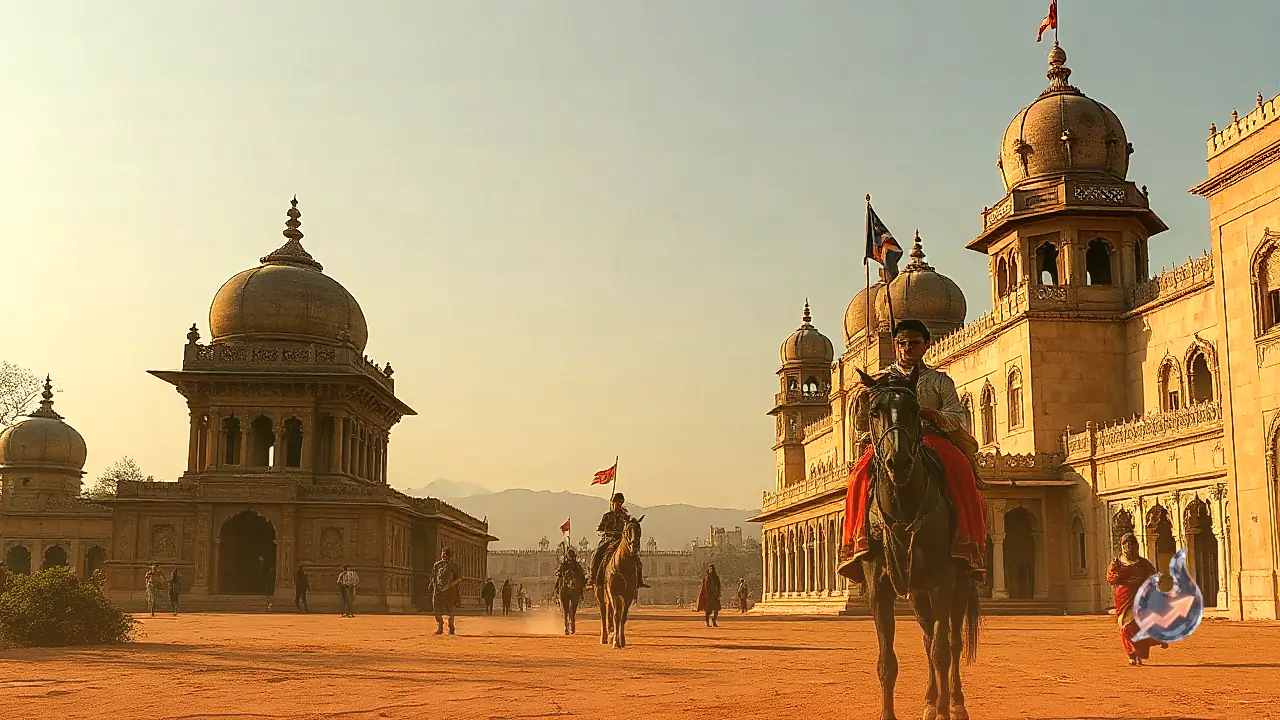

Rao Lunkaran, the historic ruler of the Bikaner state in Rajasthan, holds a distinguished position in Indian history as a formidable warrior, a compassionate administrator, and a legendary philanthropist. His extraordinary charitable acts earned him the revered epithet 'Kalyug Ka Karna' from contemporary chroniclers. Taking over the reign as the second son of Rao Bika, he successfully fortified the frontiers of the kingdom while simultaneously pioneering initiatives in environmental preservation, water conservation, and spiritual heritage.
Environmental Governance and Pioneering Water Initiatives
Demonstrating a deep reverence for nature, Rao Lunkaran designated the Jaal tree as the state tree of Bikaner and led extensive greening drives throughout the region. Under his royal patronage, extensive plantations were carried out around villages, public grounds, and temple complexes to enhance ecological balance. Recognizing the severe shortage of potable water in the arid landscape of Bikaner, he adopted a visionary approach to water management. To provide a lasting solution, he founded the town of Lunkaransar along with a massive lake bearing his name, which continues to stand as a testament to his resourcefulness.
Unmatched Philanthropy and Cultural Patronage
The spirit of benevolence defined Rao Lunkaran's governance. Historical accounts provided by historian Janakidatt Shrimali highlight that following his triumph over Jaisalmer, Rao Lunkaran bestowed a magnificent gift of one lakh 'pasav' upon his court Charan poet. This culture of boundless generosity extended to the next generation, as his son Karmasi subsequently granted a donation of one crore to Asha Charan of Sirohi. The royal treasury remained constantly accessible for welfare causes and religious endeavors. During his marriage to Anandkumari, the daughter of Maharana Raimal of Chittorgarh and sister of Maharana Sanga, he showered lavish gifts that reflected his grand hospitality. Impressed by the safety, wealth, and ideal administration of the realm, court poets famously compared Bikaner to the serene beauty of Kashmir.
Military Valor, State Defense, and Supreme Sacrifice at Dhosi
Beyond his charitable disposition, Rao Lunkaran proved to be a stern military commander. Following the demise of state founder Rao Bika, when rival border factions attempted to destabilize Bikaner, Rao Lunkaran responded with decisive military campaigns to neutralize hostile forces. He effectively quelled external interference stemming from internal feuds within the ruling family of Fatehpur. His unwavering commitment to his subjects and kingdom culminated in the year 1526, when he fought bravely and attained martyrdom during the Battle of Dhosi in the Narnaul region. His legacy as a fearless defender and selfless sovereign remains deeply revered.