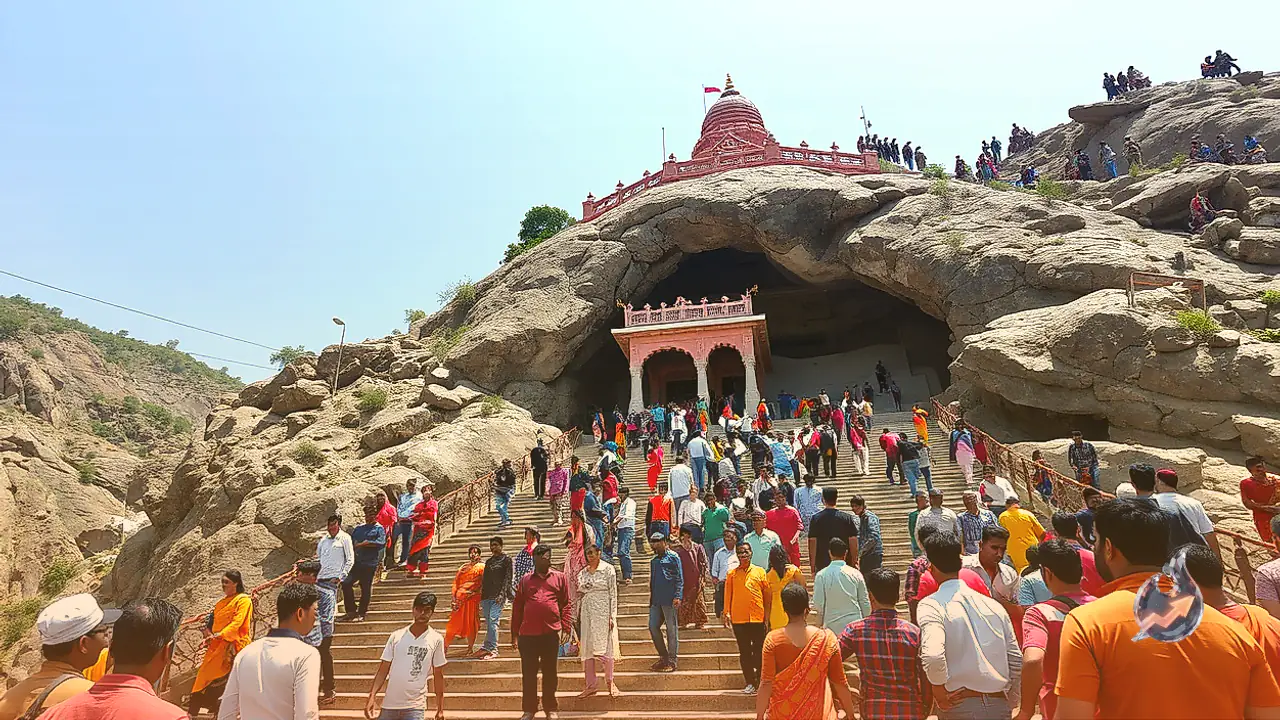






















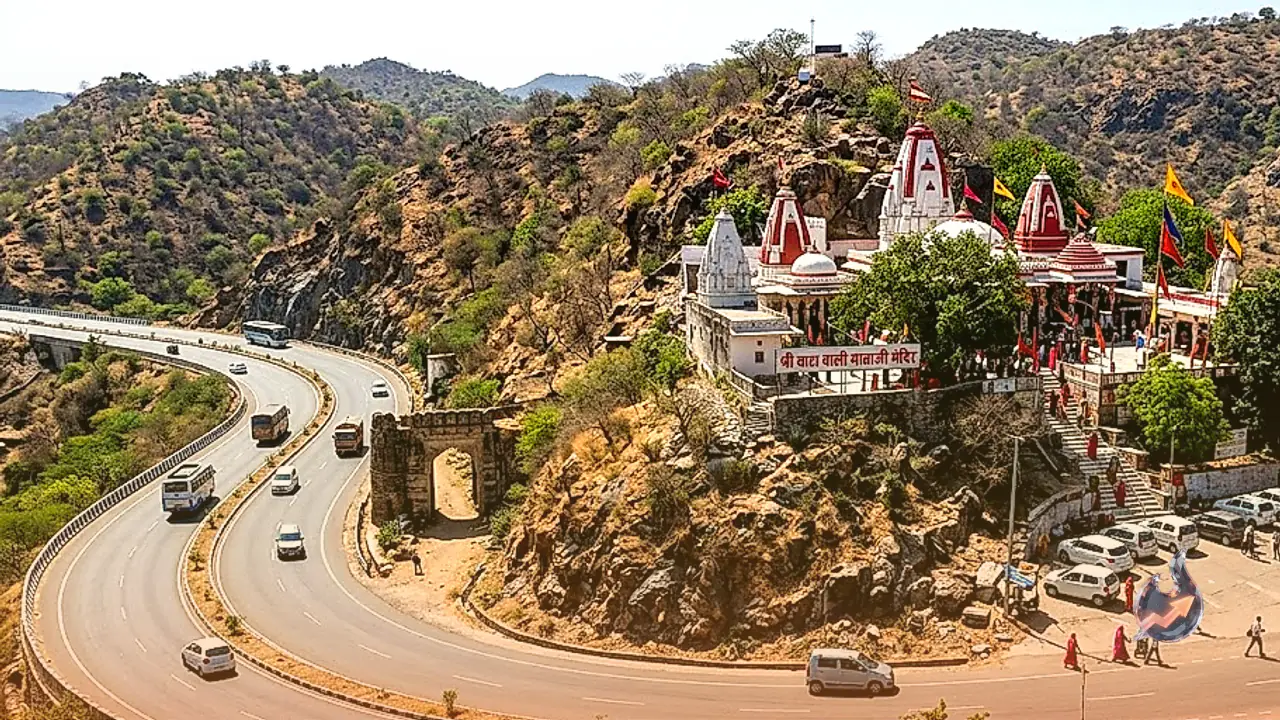

Perched high upon the hills of Debari in Udaipur, the revered shrine of Ghata Wali Mataji stands as a profound symbol of folk devotion and faith across the Mewar region. During the auspicious days of Sharadiya Navratri, the temple witnesses an immense influx of devotees arriving from near and far to seek blessings. According to local historical accounts and folklore, long before the foundation of Udaipur city was laid, this hill was home to only a modest shrine under a neem tree. Over the passage of centuries, the sacred spot evolved into one of the most prominent Shaktipeeths in Mewar. Pilgrims firmly believe that every earnest wish placed before the deity is fulfilled, drawing hundreds of thousands of visitors annually to its scenic and spiritual surroundings.
The Mughal Era Legend of the Swarming Bees
Among the most astonishing historical traditions linked to Ghata Wali Mataji is an incident set during the Mughal era. Regional folklore recounts that when Mewar faced a dire foreign military threat, the Deora Rajput chieftains sought sanctuary at the shrine and engaged in deep spiritual prayers. Legend has it that through divine grace, thousands of fierce bees emerged directly from the navel of the goddess and launched an unexpected assault on the advancing Mughal soldiers. Caught entirely off guard by the relentless onslaught, the troops fell into disarray and could not hold their ground. The army was forced to beat a hasty retreat, chased relentlessly all the way to Nahar Mangra. To this day, local communities view this dramatic episode as enduring evidence of the sacred power residing on the hill.
How Road Construction Faced Disruption Leading to a Rerouted Highway
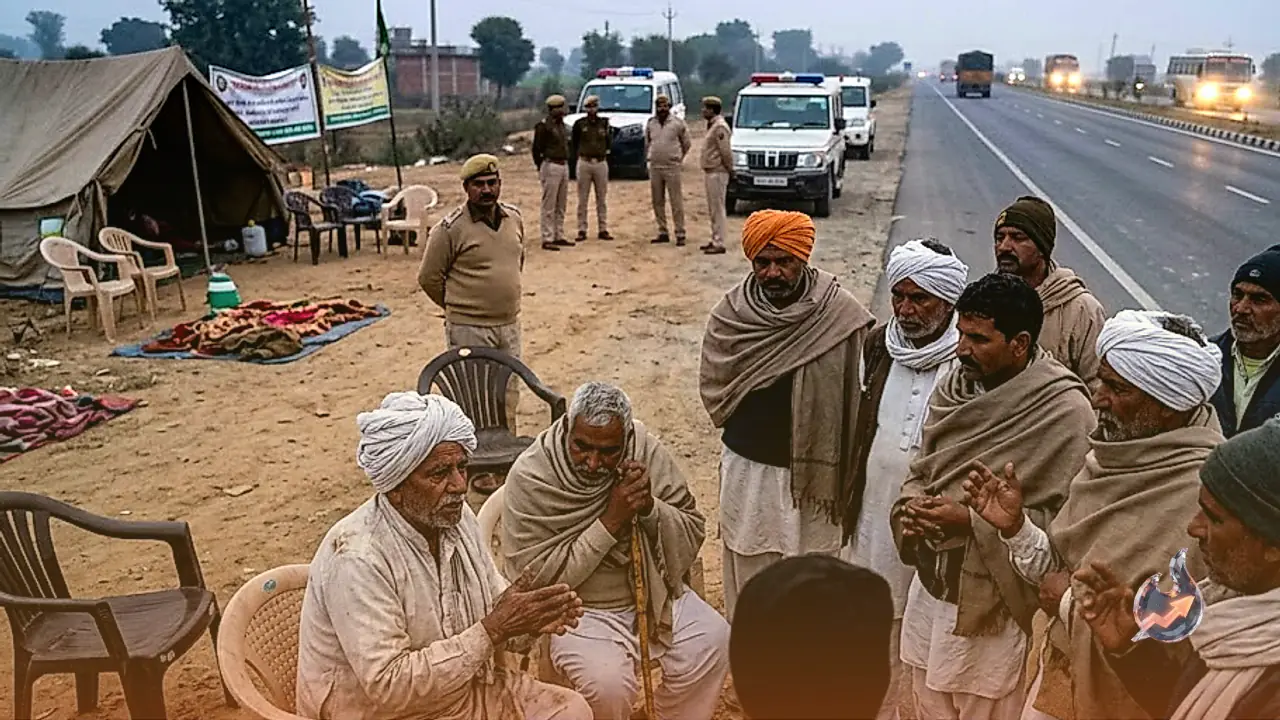
Another extraordinary episode occurred in modern times during the 1990s, when the Udaipur to Chittorgarh National Highway was being constructed. The initial alignment of the road passed directly through the shrine, prompting authorities and project engineers to plan the removal of the temple structure. However, according to accounts from local residents and officials, as soon as excavation machines approached the site, they abruptly suffered severe mechanical failures and stopped operating. Simultaneously, reports circulated among the workforce and project engineers of witnessing mysterious manifestations of the deity. Acknowledging these unforeseen developments, administrative authorities and the highway construction firm halted their original plans. Rather than altering or shifting the temple, workers carved through the surrounding hill to redirect the highway, leaving the ancient shrine completely undisturbed.
Navratri Observances and the Grand Hilltop Trident
Throughout the nine days of Sharadiya Navratri, elaborate religious ceremonies and rituals take place at the hilltop shrine. Morning and evening prayers fill the valley with devotional hymns and chants, fostering a deeply spiritual ambiance. To cater to visiting pilgrims, the temple complex features a spacious canopy setup alongside a dedicated rest house. Positioned prominently atop the hill, an imposing trident standing approximately 35 feet high catches the eye of travelers moving along the highway from miles away. Temple priest Varda Ji and trust representative Dalpat Singh Deora emphasize that the goddess unfailingly fulfills the earnest prayers of all visiting devotees. Supported by centuries of lore and steadfast faith, this sacred shrine remains an invaluable cultural cornerstone of the Mewar region.