

















Rajasthan’s Mewar region is celebrated worldwide for its royal heritage, historic architecture, and rich traditions, but its culinary landscape carries an equally distinctive identity. Across the area, traditional local delicacies have long drawn food enthusiasts from far and wide. Among these culinary treasures, the traditional rabri crafted in the town of Mavli, located in Udaipur district, stands out as an enduring favorite. The rich, slow-simmered dessert has achieved such remarkable acclaim that its demand extends well beyond regional borders to domestic travelers and overseas admirers alike. Local artisans have preserved these time-honored preparation techniques across generations, ensuring that its appeal continues unabated.
Origins Rooted in Pastoral Life and Dairy Abundance
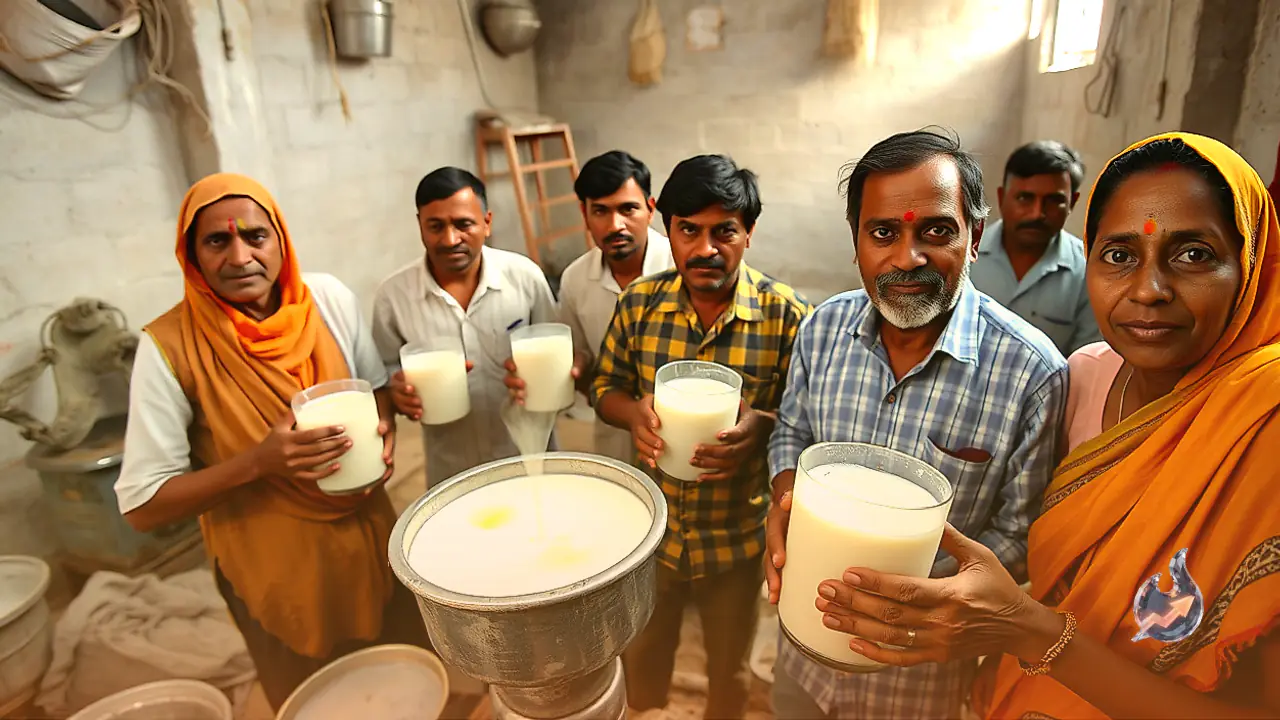
The genesis of rabri-making in Mavli is directly tied to the agrarian lifestyle and cattle-rearing history of the region. Decades ago, dairy farming was the mainstay of the local community, leading to massive daily milk yields. Facing a surplus of fresh milk, local households and artisans developed ways to process it into wholesome, long-lasting confectionery. Boiling down the milk into a thick, sweetened delicacy marked the beginning of this craft. Over the years, the rich taste found favor among travelers and neighbors, gradually turning Mavli into an iconic destination synonymous with high-quality rabri.
A Staple Stop for Train Passengers at Mavli Junction
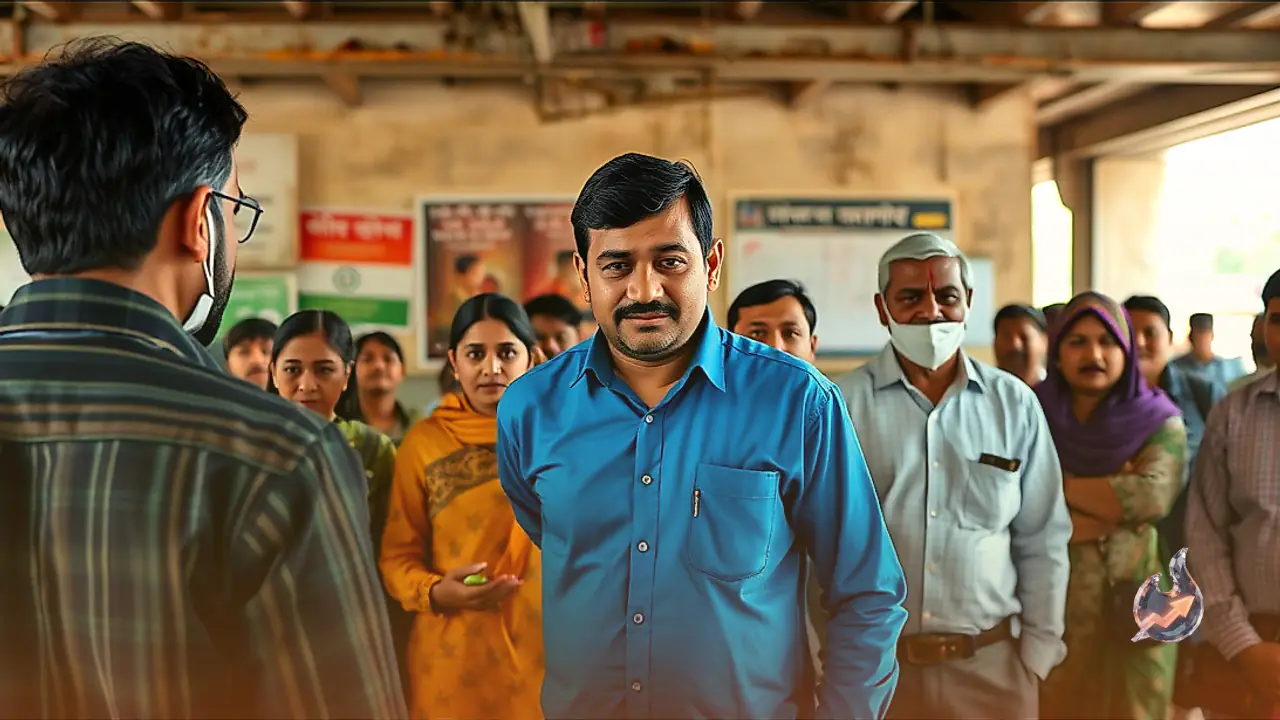
A hallmark of Mavli rabri is the uncompromised use of fresh dairy milk every single day, which imparts a pure and melt-in-the-mouth texture. Both domestic tourists exploring Rajasthan and international travelers visiting the historical circuit regularly seek out this authentic preparation. The sweet has also found a dedicated market among passengers traveling through the busy Mavli railway junction. Whenever passenger trains pull into the station, vendors see swift sales of the dessert. Commuters frequently relish it during their journeys, while many purchase earthen or sealed portions to carry back home for their families, carrying Mavli's signature taste across distant cities.
Ten-Year-Old Apprentice Turns Craft into Enduring Enterprise
Highlighting the generational craft behind the dish, the proprietor of Kaka Rabri in Mavli shared that his family has operated the dessert business for decades. He recalled that he began learning the intricate art of stirring and reducing milk when he was merely 10 years old. That technical knowledge acquired in early childhood became the cornerstone of his present-day enterprise. Today, he prepares fresh batches at his shop daily, delighting locals and visitors alike. The legacy of Mavli rabri demonstrates that a region's enduring identity is built not merely by palaces and stone monuments, but also by the living heritage of its authentic street kitchens and kitchens of taste.