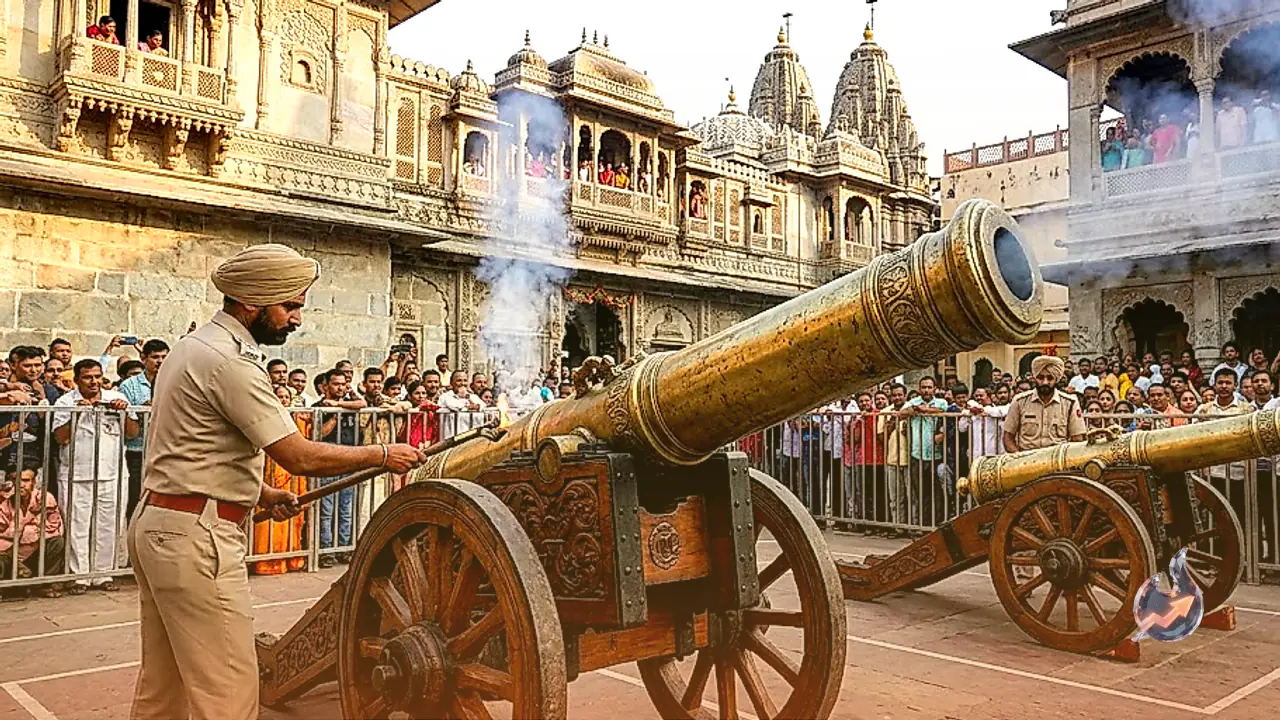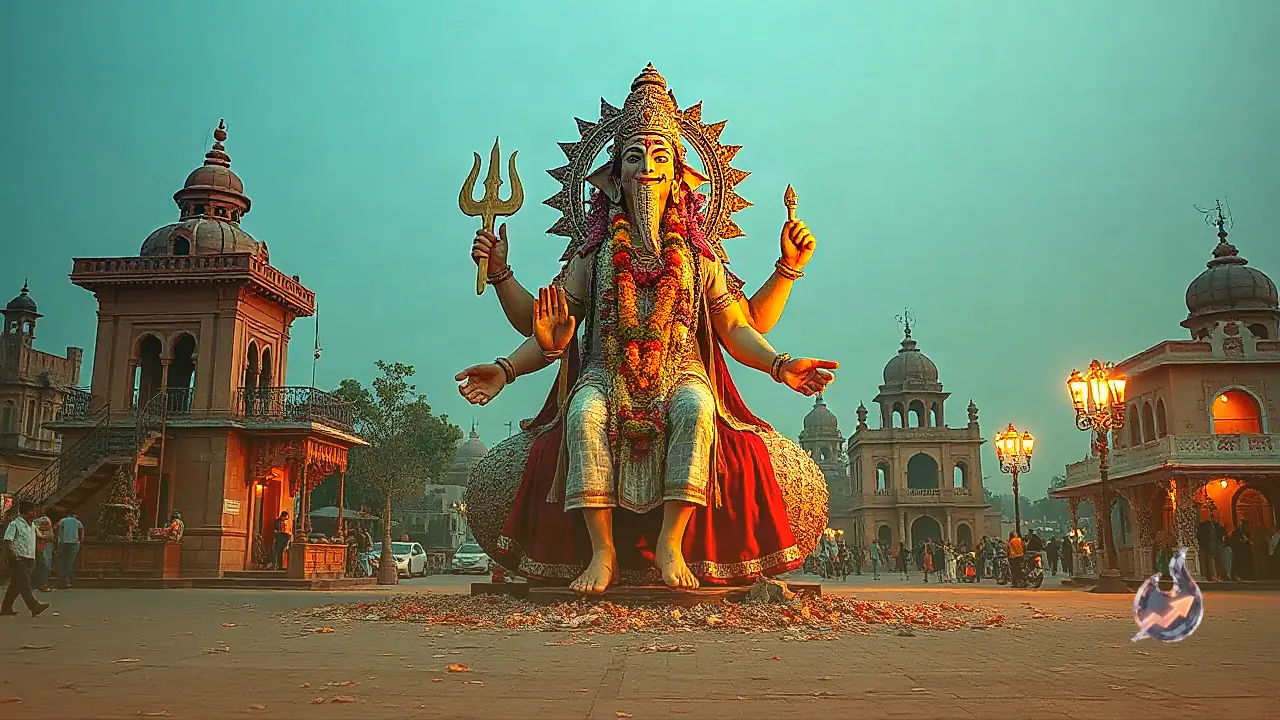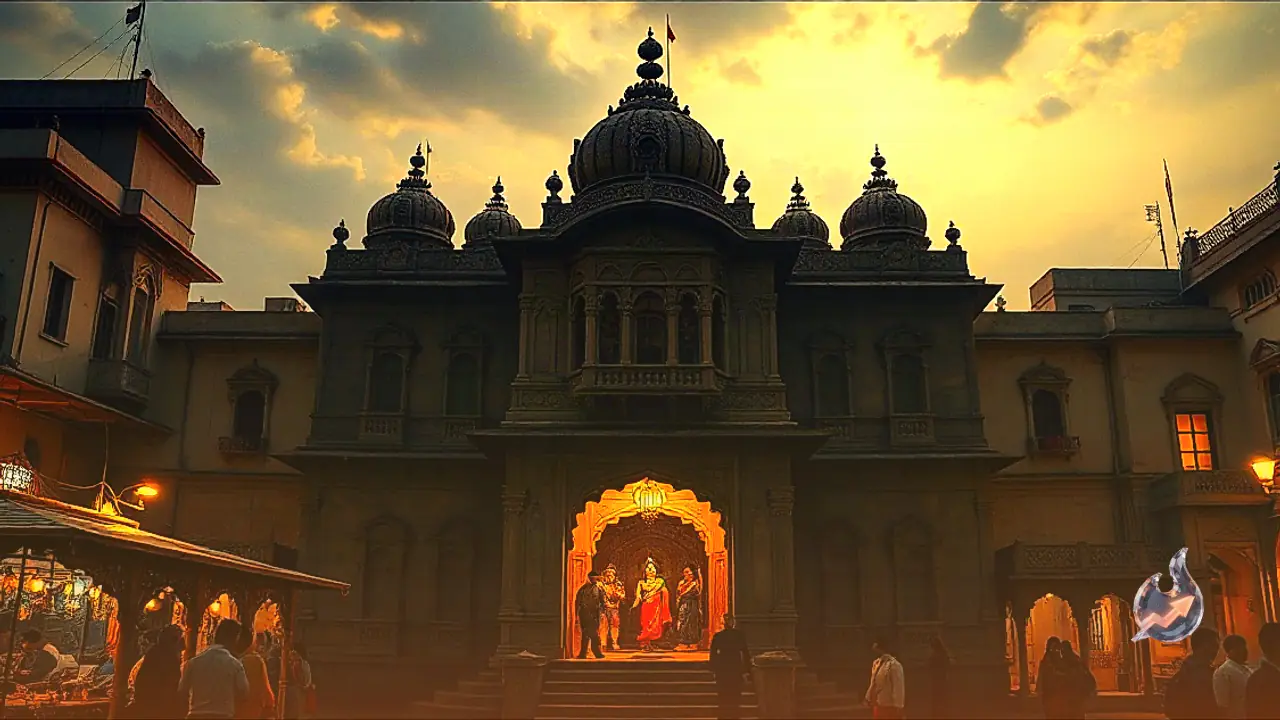




















Located in the Badi Pol area of Jalore, Rajasthan, the historic Radha-Krishna temple stands as much more than a conventional place of worship. For nearly seven hundred and fifty years, this revered shrine, fondly referred to by locals and devotees as 'Thakurdwara', has remained an enduring symbol of community solidarity, cultural heritage, and traditional governance for the Mali community. Beyond religious rituals, the temple continues to serve as the foundational pillar for resolving disputes, eliminating social evils, and maintaining social harmony.
A Unique System of Divine Justice in the Community
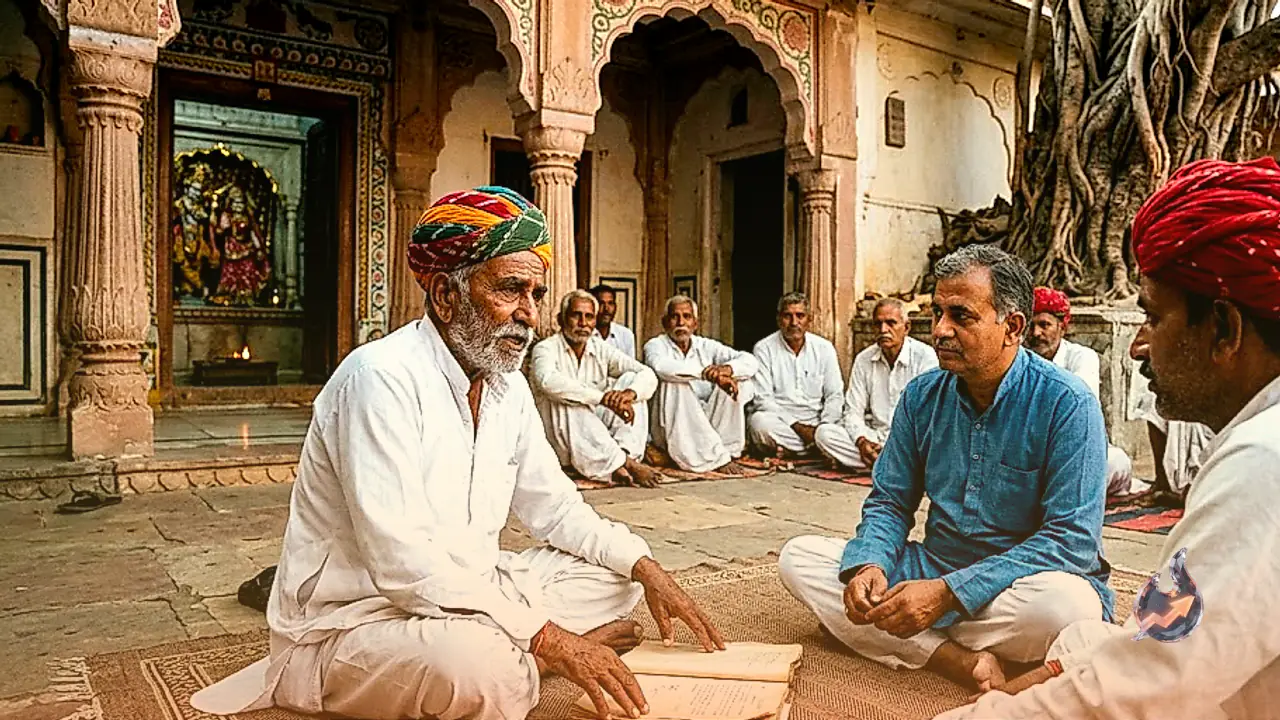
The Thakurdwara temple houses a long-standing tradition of convening the Mali community's Panch Patti panchayat within its sacred premises. Whenever personal friction, land disputes, family disagreements, or broader social questions arise within the community, elders, panch leaders, and respected community members gather at the temple. The methodology governing this social council differs fundamentally from standard human tribunals or conventional rural assemblies.
Instead of relying on individual authority, social status, or worldly pressure, the council conducts its proceedings under the spiritual oversight of the deities. The central witnesses to every judgment are the divine idols of Radha and Krishna enshrined within the sanctum. Council leaders listen attentively to both conflicting parties with complete sincerity before pronouncing a fair and unbiased verdict directly before the Almighty. Because the decision is delivered with God as the sole witness, every member of the community accepts it with profound reverence and total adherence.
Architectural Splendor and Living Traditions
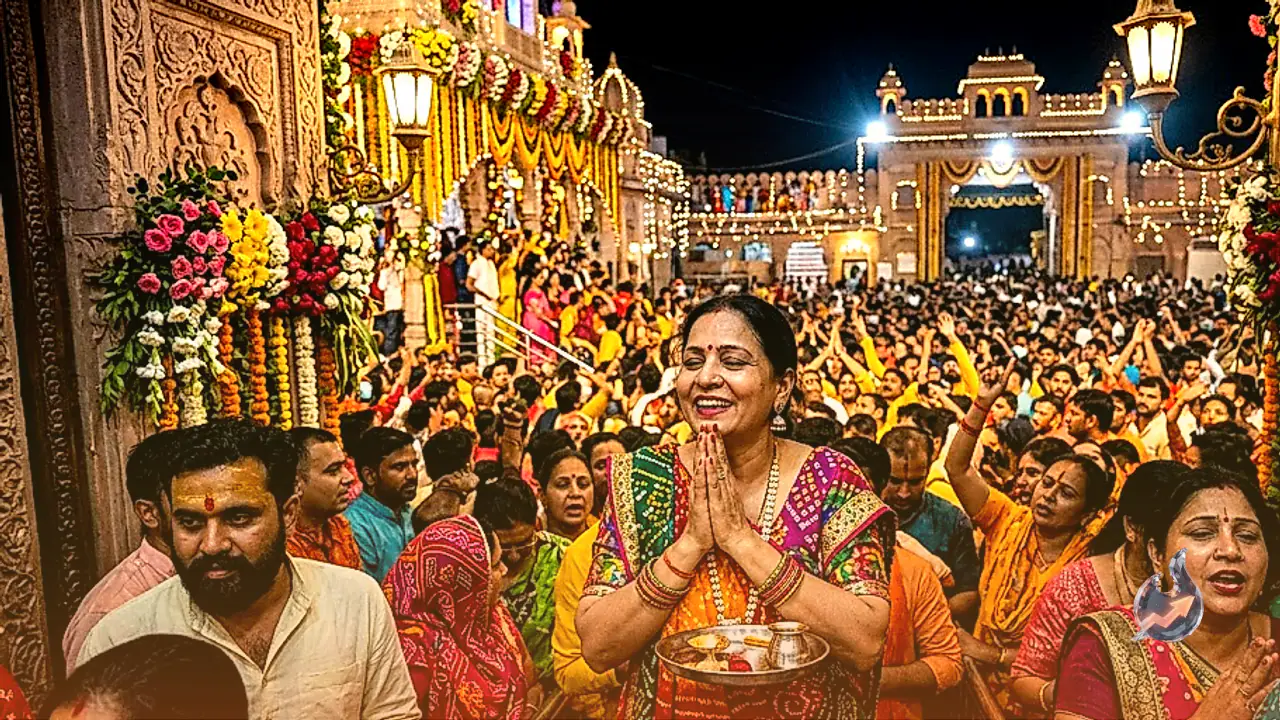
From an architectural standpoint, the Thakurdwara temple showcases remarkable craftsmanship and historical grandeur. Its thick, robust walls and classical structural layout offer a striking reflection of ancient Indian architectural traditions. During major religious occasions such as Janmashtami, the entire complex is decorated elaborately like a bride, turning the environment into a center of deep devotion and celebration. Bhomaram, the president of the temple committee, highlights that this 750-year-old tradition of equitable justice continues to be practiced with identical dedication today, binding the entire community together in spirit and brotherhood.
Pivotal Social Reforms Enacted in 2018
The role of Thakurdwara extends well beyond mediation and dispute settlement; it has actively spearheaded transformative social reforms. In 2018, the temple ground hosted a historic mahapanchayat of the Mali community, bringing together village elders, panchayat representatives, and youth leaders to enact progressive community guidelines.
During this monumental gathering, the community passed an absolute ban on the harmful and burdensome practice of Mrityubhoj (post-funeral feasts). Furthermore, strict restrictions were imposed on wasteful wedding expenditures, including bans on high-volume DJ sound systems and elaborate stage performances. Through these decisive steps, this 750-year-old sanctuary continues to shine as a beacon of social enlightenment and an untarnished seat of community justice.