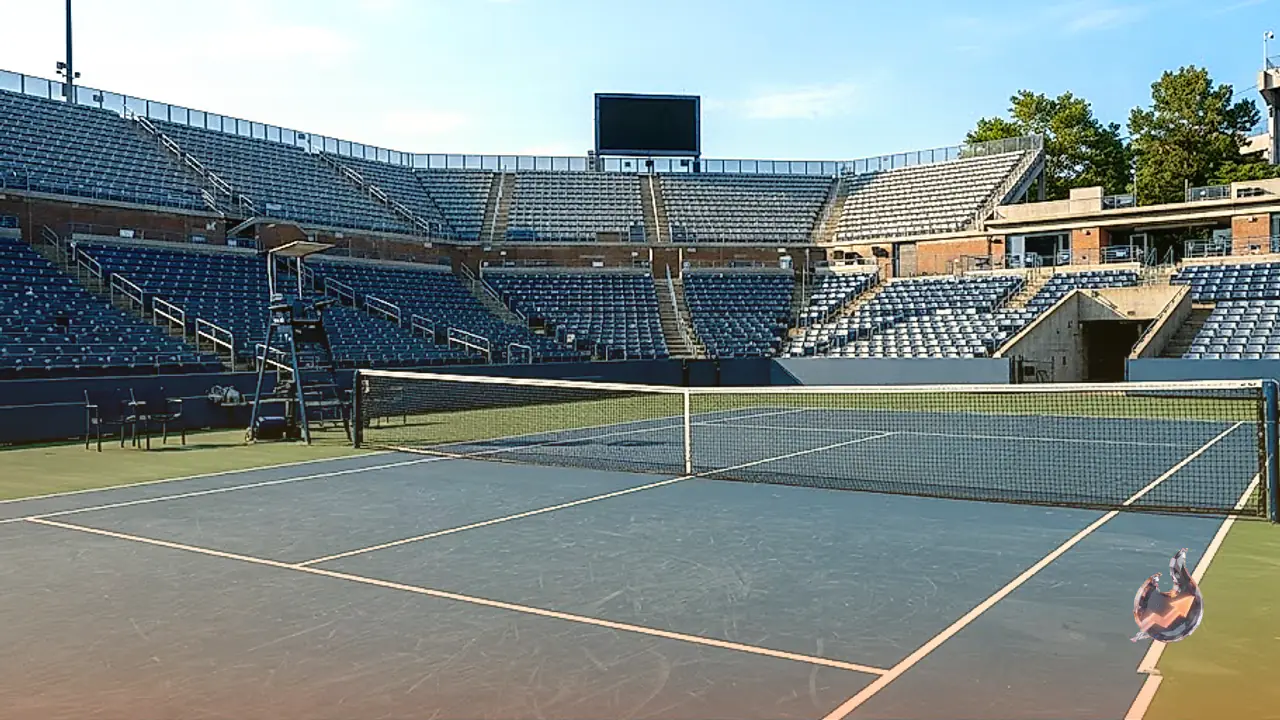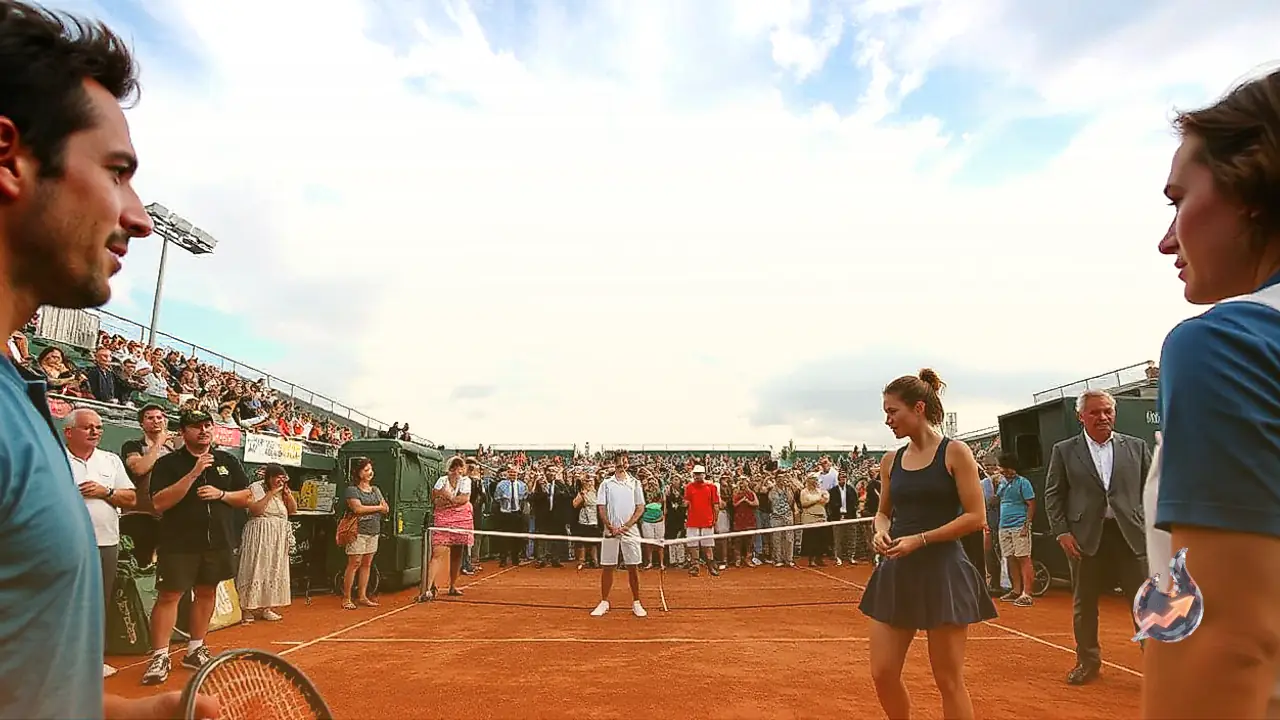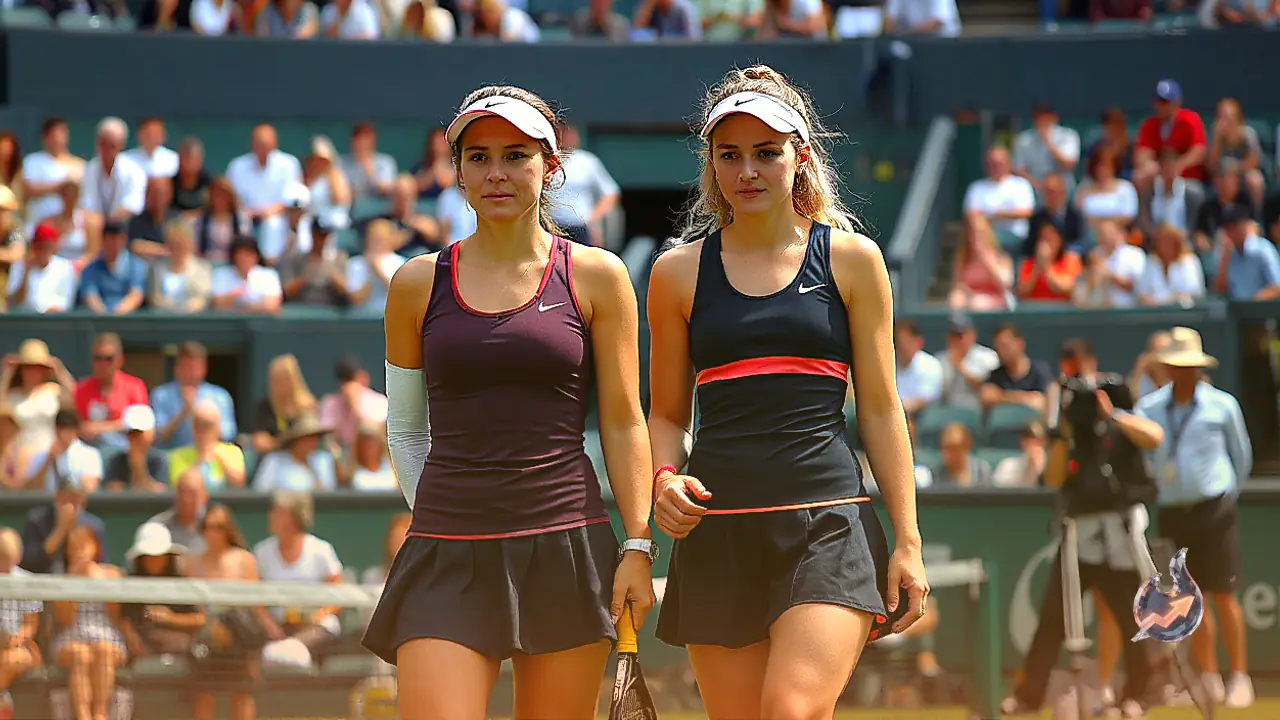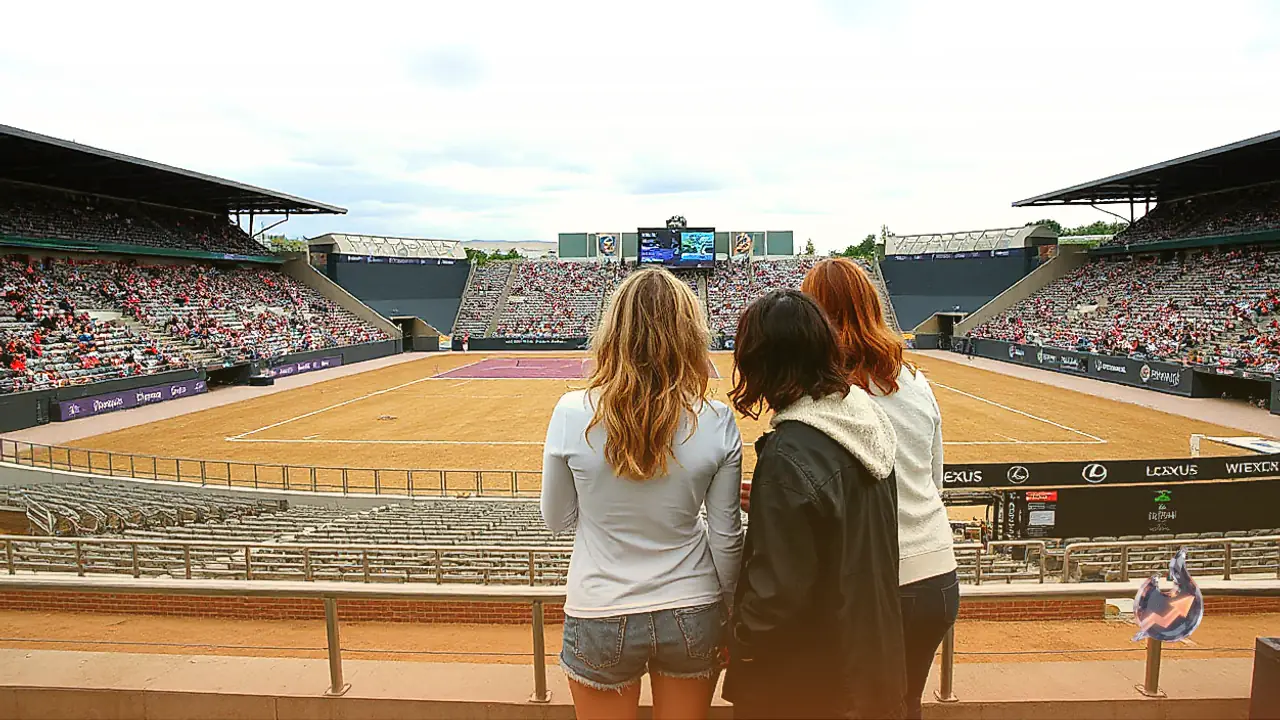


















The traditional atmosphere of professional tennis is experiencing a significant shift at Arthur Ashe Stadium in New York, where tournament officials have granted official accreditation to approximately 100 influencers and digital content creators this year. This number marks double the amount of creator credentials issued at last year's tournament. The influx of social media personalities into the world's largest tennis venue, which boasts a seating capacity exceeding 23,000 spectators, has triggered an intense debate among players, fans, and organizers regarding how to attract younger audiences without compromising the long-standing etiquette of the sport.
Match Disruptions and Ring Lights at Arthur Ashe Stadium
Tennis has traditionally relied on well-established unwritten rules of conduct. Players are expected to apologize after winning a point off a net cord, display honesty regarding line calls, double bounces, and double hits, and offer a respectful post-match handshake at the net. For spectators, basic courtesy requires maintaining silence and remaining still while points are being played to avoid distracting the competitors.
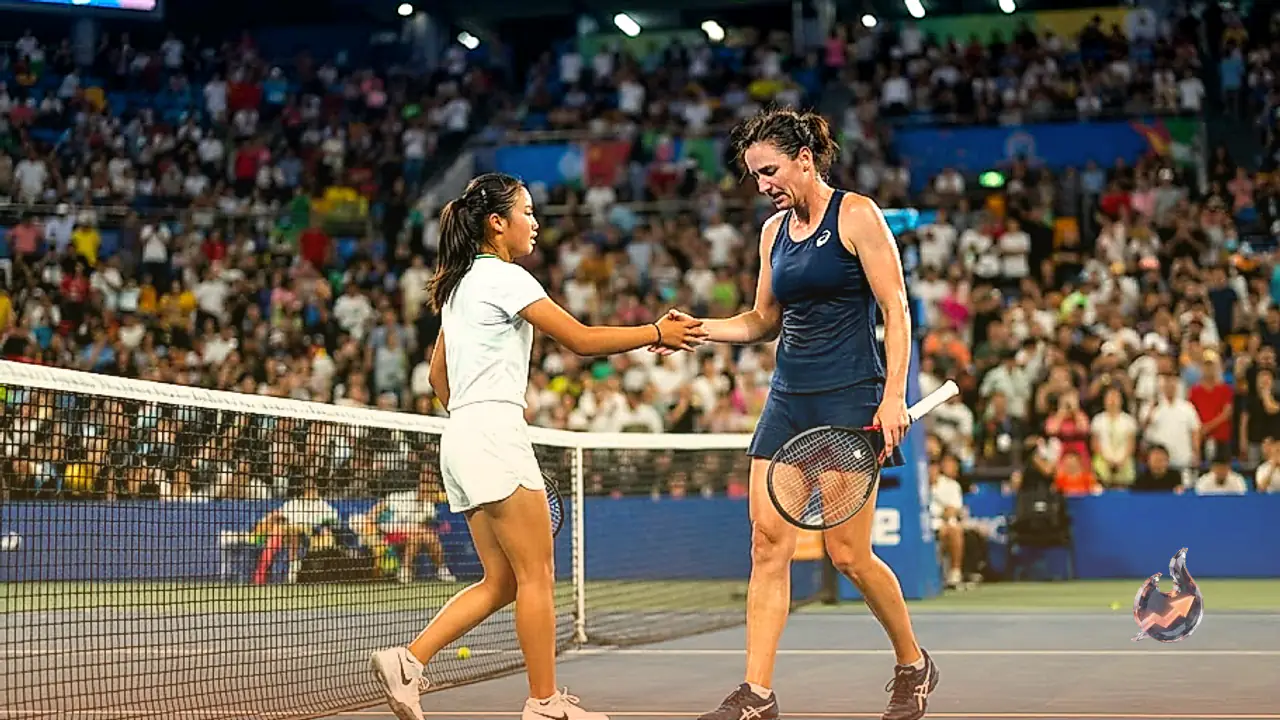
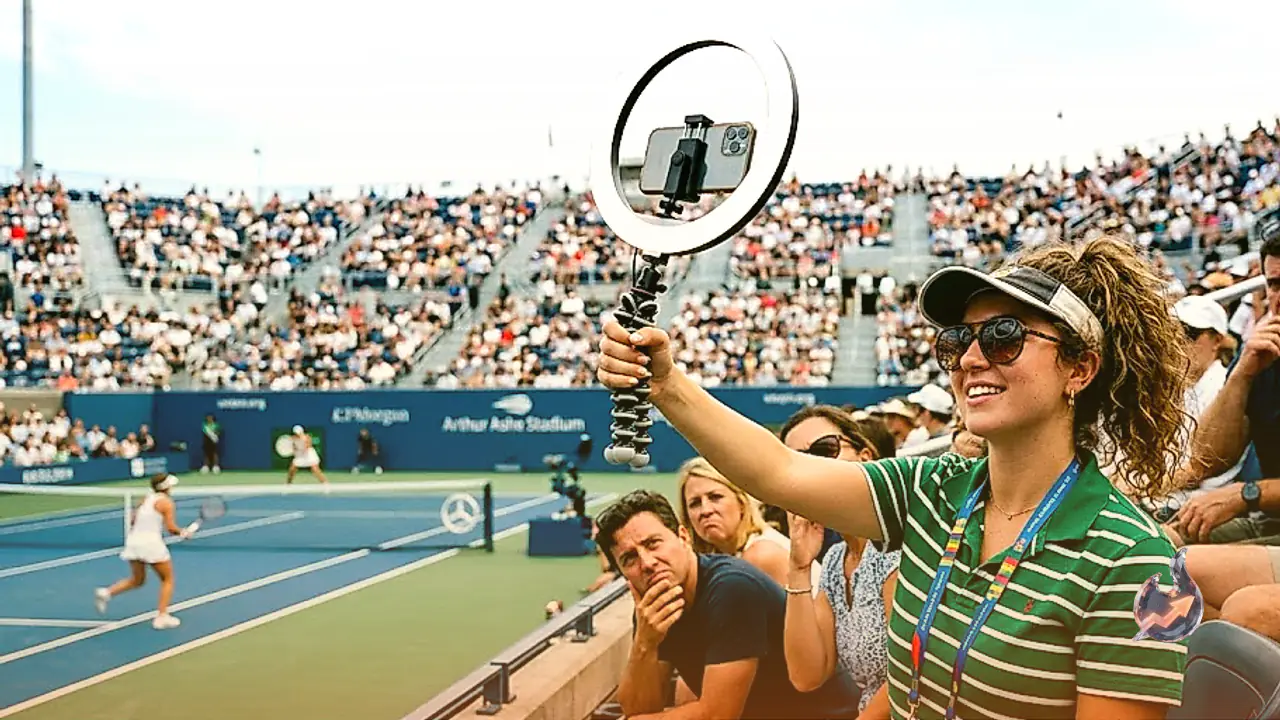
However, these expectations faced direct disruption during the first-round match of two-time US Open champion Naomi Osaka, who previously lifted the trophy in 2018 and 2020. During play on Tuesday at Arthur Ashe Stadium, a group of accredited creators situated in a hospitality suite conducted a photo shoot while the match was actively underway. The group deployed a portable ring light while Osaka was executing her serve, prompting an immediate reprimand from the chair umpire. The disruption continued into her subsequent match on Thursday, where the chair umpire was forced to intervene repeatedly to restore quiet among the spectators.
Naomi Osaka noted following her match that she heard the chair umpire instruct the crowd to be silent more times than in any previous match she had played. She explained that while she typically maintains complete focus on the court, clear shouting was audible during rallies, which she believed affected her opponent as well. A video documenting a group speaking loudly while filming themselves during Tuesday's match subsequently went viral, highlighting the friction between content creation and professional athletic performance.
Addressing the situation, Osaka emphasized that attending a sporting event requires respecting the game and understanding its foundational courtesy. She acknowledged that creator credentials can serve as a positive tool to popularize tennis among new audiences, but insisted that court etiquette must be managed far better, particularly during active match play.
Top Players Divided on Creator Credentials
Reactions among top-ranked players on the professional tour have highlighted differing perspectives on the tournament's modern audience strategy. World number four Coco Gauff welcomed the arrival of new fan demographics, noting that expanding the spectator base helps the sport grow overall. However, Gauff drew a clear distinction regarding standards of behavior, remarking that just as someone would not attend a red carpet event wearing jeans, visitors to a tennis venue must follow the established etiquette of the sport.
World number three Jessica Pegula expressed firmer criticism of the ongoing disruptions, describing certain behaviors as disrespectful. While Pegula noted that she appreciates creators showcasing the US Open experience to online followers, she pointed out that using selfie lights and conducting photoshoots while athletes are trying to perform their jobs crosses a line. Pegula remarked that the situation had become excessive this year, emphasizing that direct interruptions to competitive matches create significant challenges for players whose careers are on the line.
In contrast, American 11th seed Frances Tiafoe offered strong support for the changing atmosphere in New York. Tiafoe praised the broad diversity of the crowd, highlighting the variety of backgrounds, walks of life, and occupations represented in the stands. He stated that he enjoys the high energy and has no issue with fans from all backgrounds coming to watch live tennis matches.
Tournament Policy Shifts and USTA Response
The push to transform the tournament environment aligns with broader operational changes introduced by organizers. In 2024, the US Open implemented a policy allowing free fan movement inside the stadium, enabling spectators to access their seats without waiting for scheduled player changeovers. Additionally, the event schedule was expanded to 15 days, featuring a designated Fan Week preceding the main singles draw that highlights exhibition matches and a revamped mixed doubles format.
Tournament chief executive Craig Tiley previously outlined a vision aimed at turning the US Open into a comprehensive entertainment destination, describing the goal as creating a tennis equivalent of Disneyland. During a pre-tournament news conference, Tiley defended the creation of creator credentials as an essential mechanism for connecting with modern audiences through contemporary media formats.
In response to the recent court disruptions during Osaka's matches, the United States Tennis Association (USTA) and tournament organizers increased digital messaging across stadium screens. The updated warnings explicitly instruct spectators to refrain from activities that interfere with match play, including high noise levels, flash photography, and portable ring lights. The USTA stated that while its primary goal remains expanding the sport and providing guests with an exceptional experience, ensuring that court competition remains free from interference remains paramount as officials continue evaluating stadium guidelines.