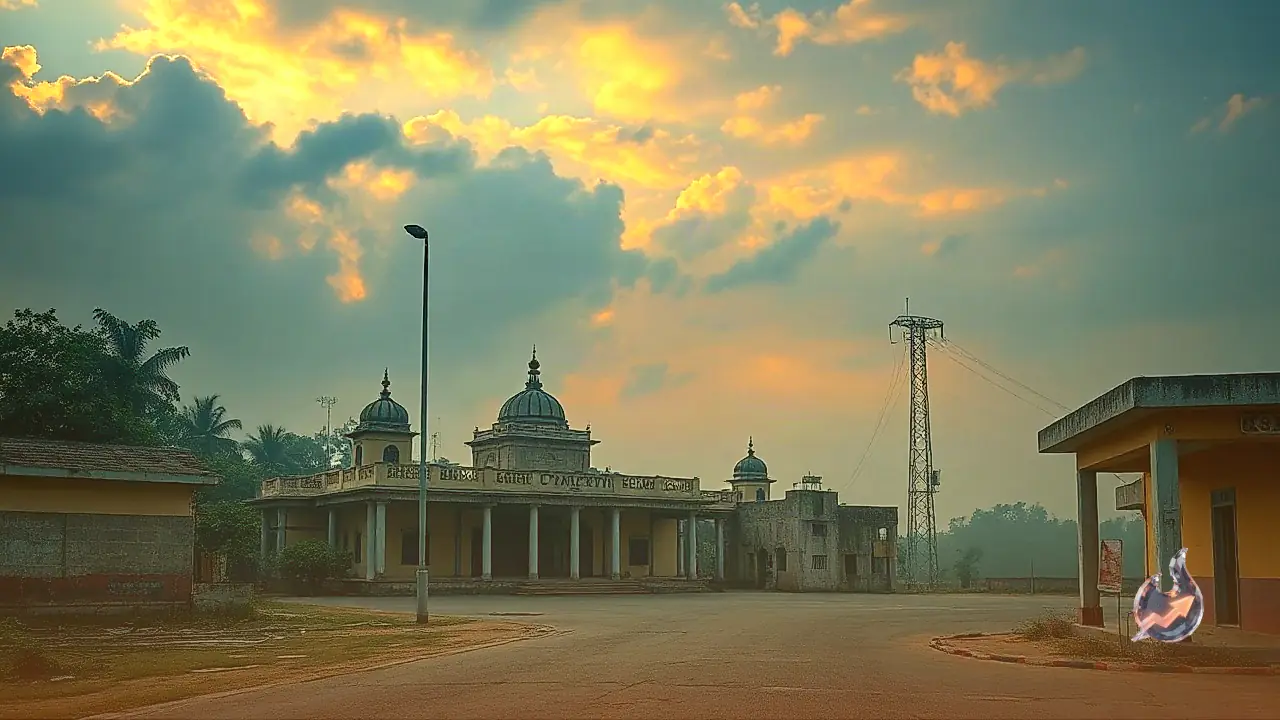


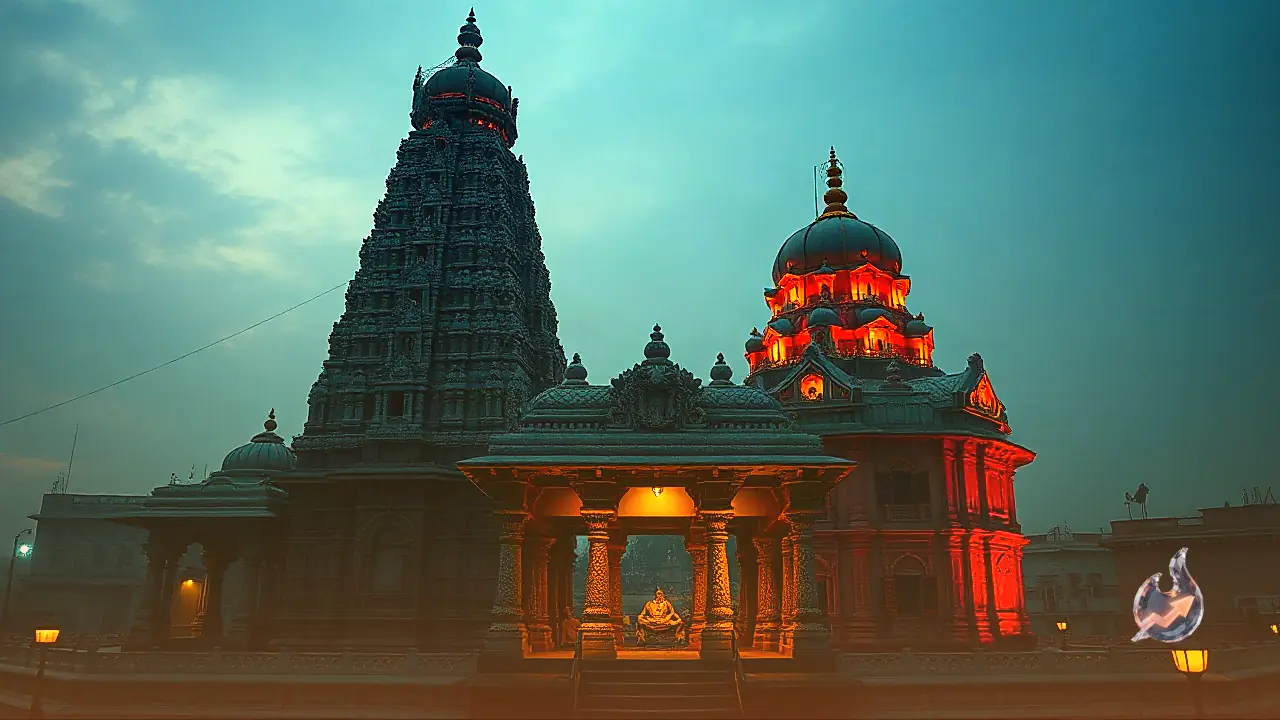
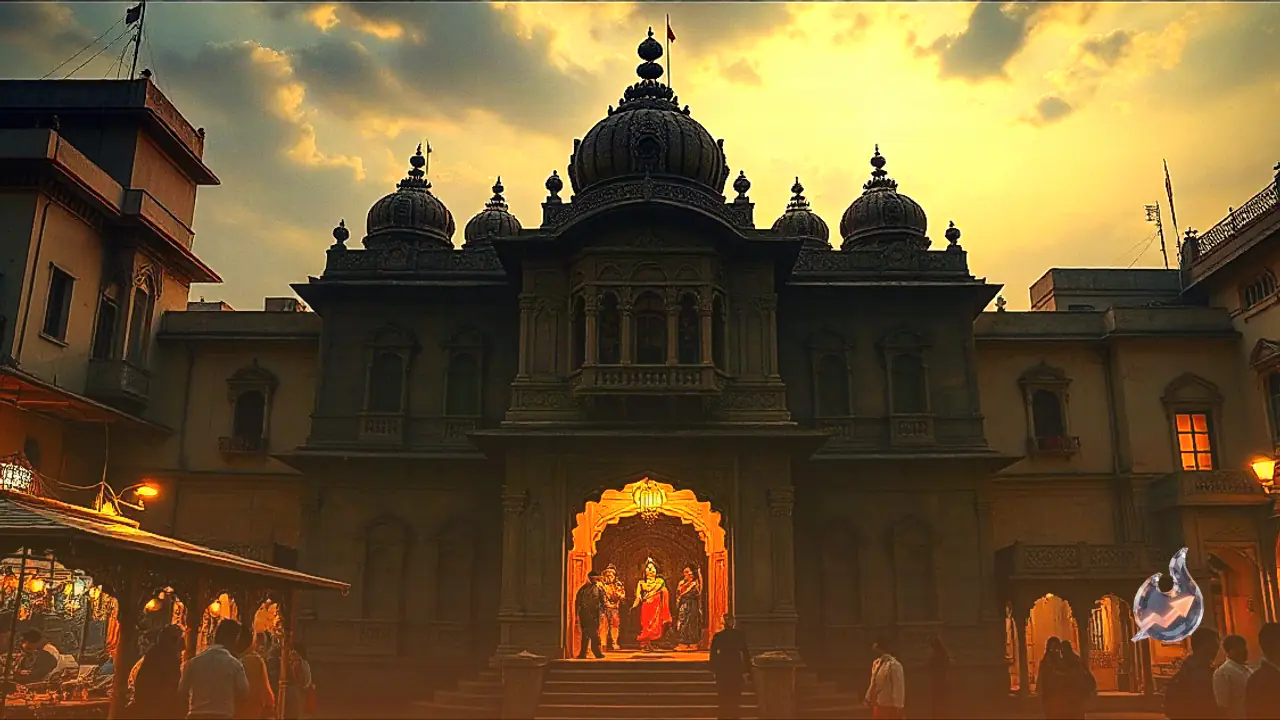














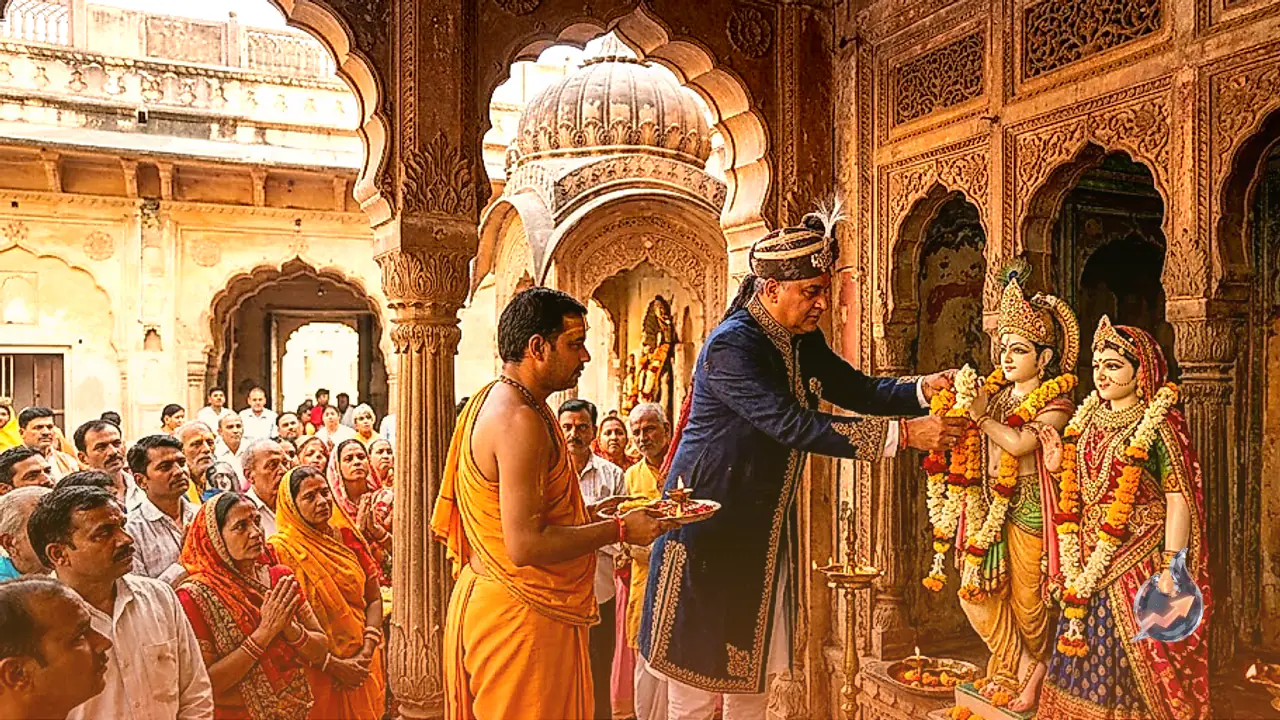

Located inside the Raghunath Palace complex at the Surguja division headquarters in Ambikapur, Chhattisgarh, the Radha Vallabh Temple stands as a prominent historical landmark believed to be roughly 200 to 250 years old. What makes this sacred shrine particularly unique is that it was constructed along the architectural lines of the famous temples found in Vrindavan. The interior walls feature intricate carvings and artistic portrayals depicting various chapters of Lord Shri Krishna's life, ranging from his divine birth to childhood pastimes. Built by the Rajmata, who was the mother of Ramanujsharan Singh Dev during that era, this ancient royal temple holds deep traditional value. Even today, the royal family observes Janmashtami with elaborate rituals at the site, drawing massive throngs of devotees.
Craftsmen Summoned From Vrindavan Built the Sanctuary
According to Rajkumar Adi Baba, a scion of the Surguja royal family, the Radha Vallabh Temple inside the Raghunath Palace enclave has long served as a focal point of the family's spiritual heritage. Special artisans were brought in directly from Vrindavan specifically for the construction of this temple to replicate the sacred ambiance of northern holy sites. The walls showcase detailed artwork capturing the early life episodes of Lord Krishna through sculptures and pictorial representations. Because of this distinct craftsmanship, the temple gains immense religious and historical significance during the annual Janmashtami festival.
The Rajmata Spent Her Final Years in a Nearby Hut
Recalling the historical background, Rajkumar Adi Baba shared that the mother of the then-Maharaja Ramanujsharan Singh Dev embraced asceticism during her later years. She chose to reside in a small hut constructed in close proximity to the temple premises, spending the remainder of her life in spiritual devotion. This profound connection cemented the temple's deep roots in the royal family's religious traditions and personal faith, turning the humble hut into an enduring symbol of renunciation and dedication.
Midnight Celebrations and Special Rituals on Janmashtami
Special worship arrangements have been finalized for the Janmashtami festival at the temple. Celebrations will peak at midnight with the observance of Lord Krishna's birth, accompanied by traditional prayers, a ceremonial Aarti, and the rocking of the cradle. Notably, members of the royal family actively participate in this midnight worship ritual to uphold their generational lineage. At the same time, the temple remains open to the general public, allowing devotees arriving from various parts of Surguja to seek blessings from Lord Radha-Krishna.
Dedicated Devotional Singing Slots for Men and Women
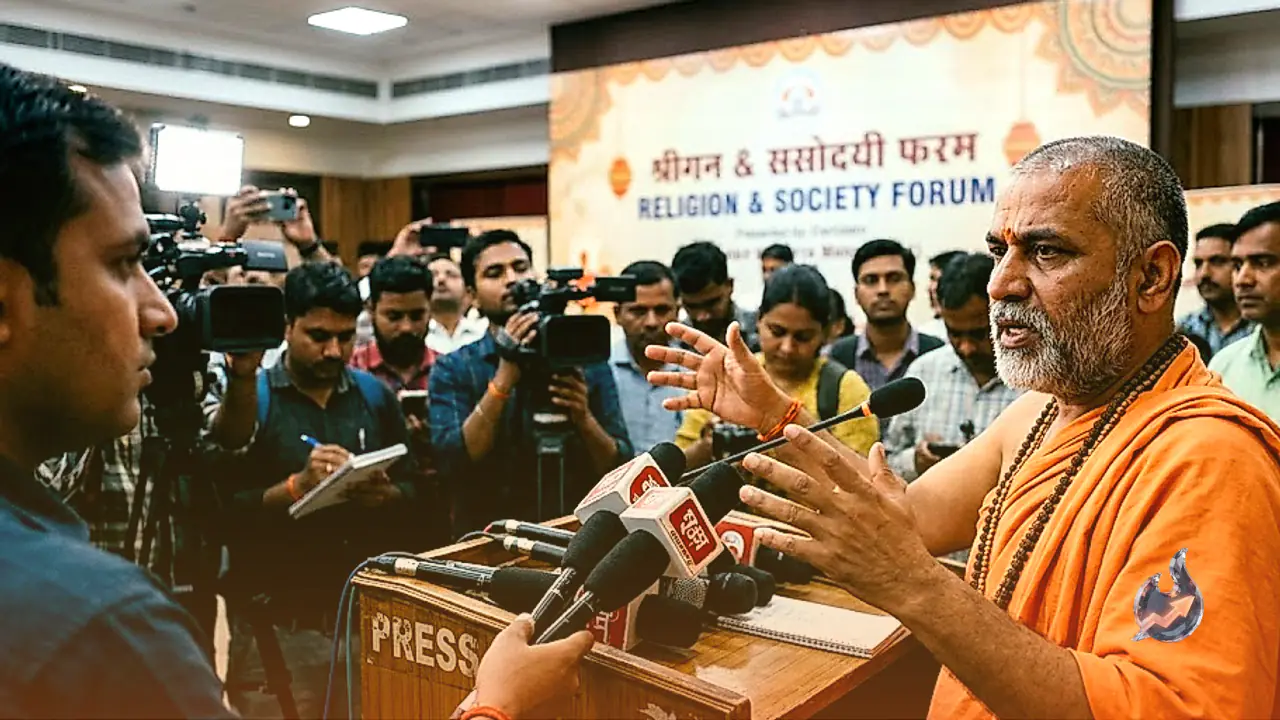
Temple priest Ram Naresh Dwivedi noted that the Radha Vallabh shrine is an ancient site established by the royals for the worship of Lord Radha-Krishna, with Janmashtami celebrated on a grand scale. To manage the festivities smoothly, specific time slots for devotional singing have been allotted. Women will lead Bhajan-Kirtan sessions from 4:00 PM to 6:30 PM on the festival day, followed by male devotees taking over the chanting from 6:30 PM until roughly 9:30 PM or 10:00 PM.
White Marble Idols Form the Central Deities
As detailed by priest Ram Naresh Dwivedi, the presiding idols of Lord Radha-Krishna housed within the sanctuary are crafted entirely out of pure white marble stone. Regular daily worship is offered to these statues. On the day of Janmashtami, special religious ceremonies and elaborate rites are performed to mark the divine birth anniversary with utmost reverence.
Corriander Powder Blend and Charanmit Distributed as Prasad
The distribution of Prasad on Janmashtami at the Radha Vallabh Temple follows a distinct local tradition. Attendees receive a specialized coriander powder blend, holy Charanrit, and fresh fruits as sanctified offerings. Long queues of eager devotees form across the temple courtyard on the festive day to catch a glimpse of the deity.
A Vibrant Cultural Heritage and Community Festivities
Along with religious proceedings, traditional events like the Matki Phod ceremony are organized within the temple compound every year to engage the community. Continuous footfall of devotees is anticipated throughout the day. Beyond being merely a place of worship, the Radha Vallabh Temple remains a treasured historical monument embodying Surguja's royal heritage, architectural elegance, and deep-rooted devotion to Lord Krishna.