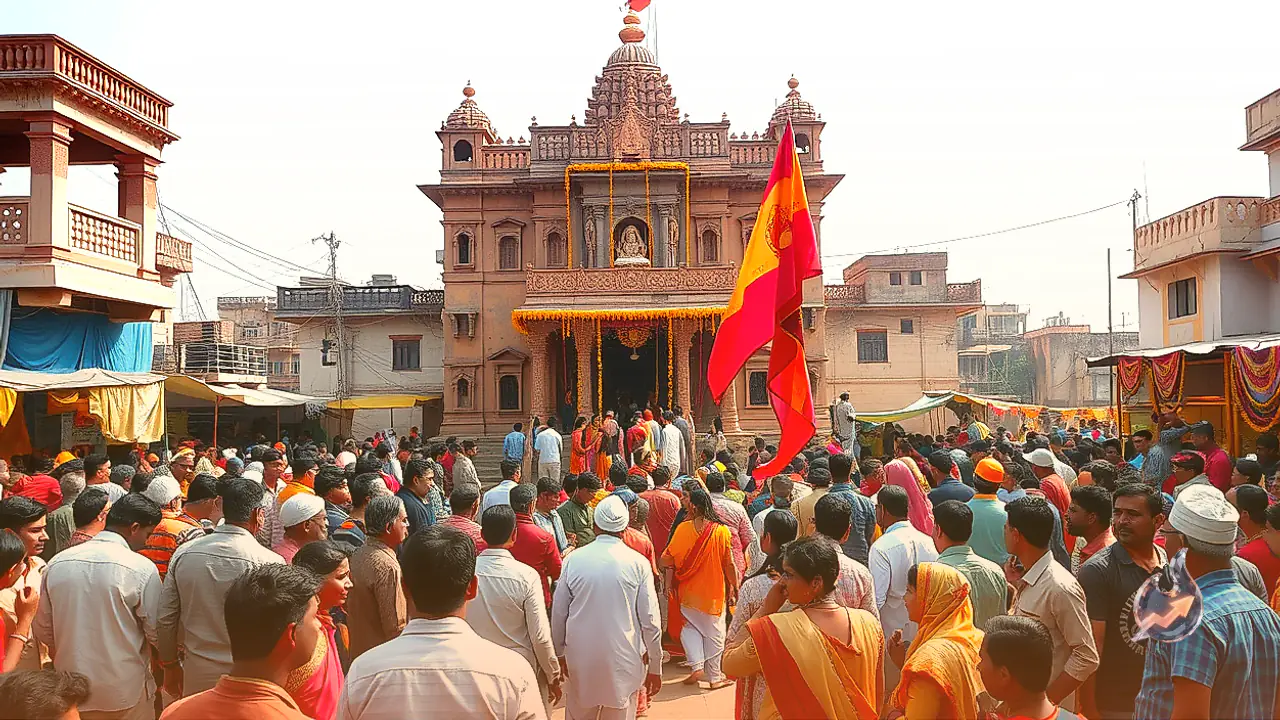




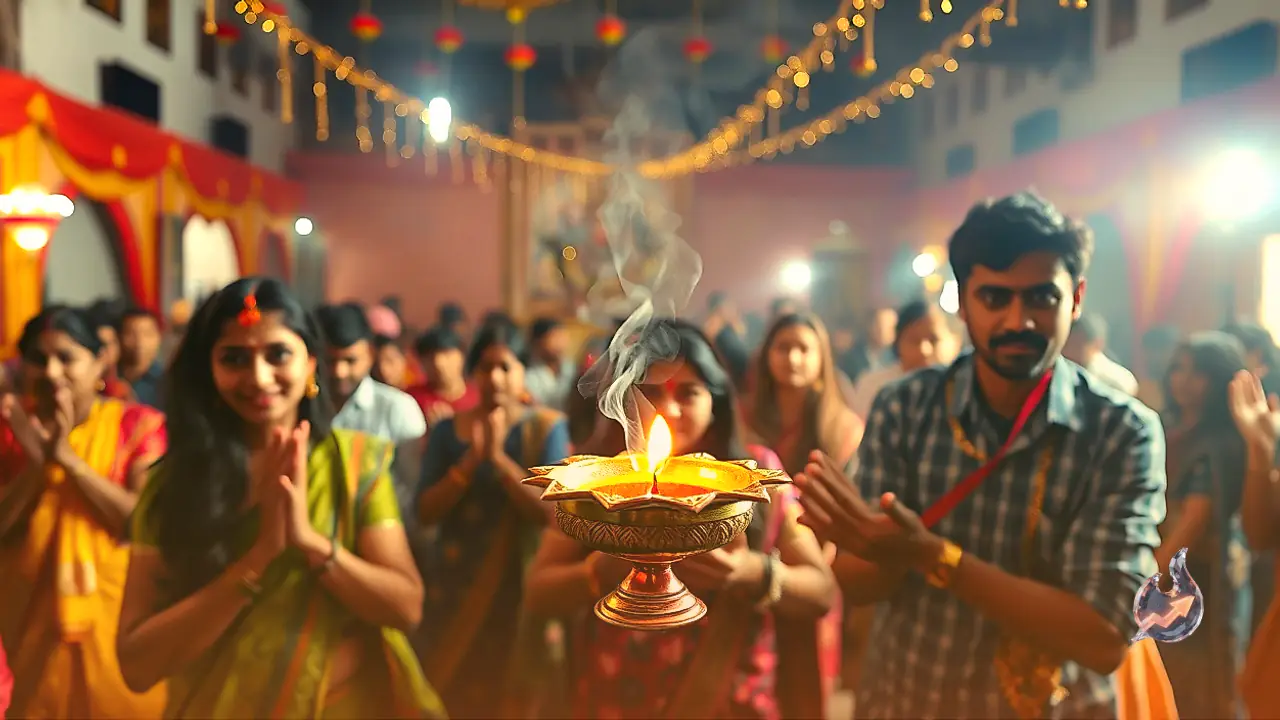














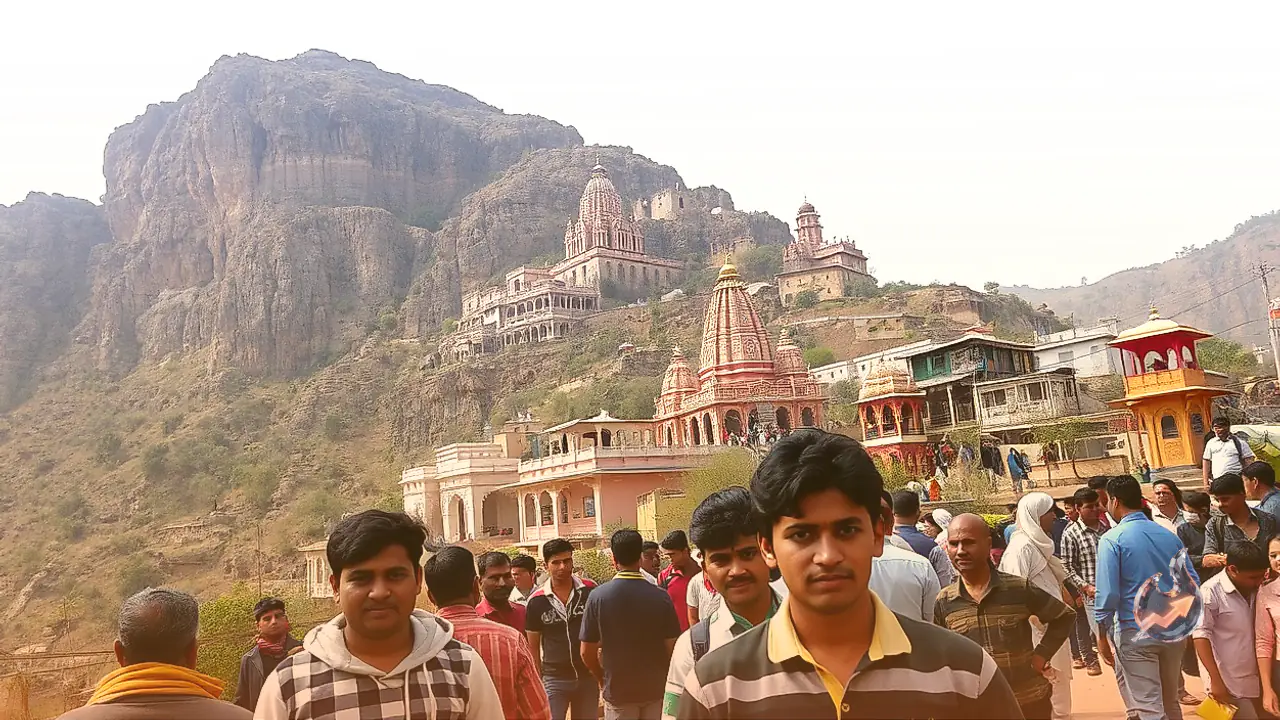

Tucked away amidst the rugged Aravalli ranges in the Achalgarh zone of Mount Abu, Rajasthan's solitary hill station, lies an ancient and spiritually revered natural cave located nearly 1450 meters above sea level. Famed for its untouched natural surroundings, the sanctum also commands immense historical and religious prominence. Within this challenging mountainous terrain, a venerated shrine dedicated to Goddess Kali continues to draw devotees and tourists from across India and abroad, who undertake a demanding uphill trek particularly during the sacred festive days of Navratri.
The Royal Renunciation and 12-Year Penance of King Gopichand
Local legends and historical accounts trace the sanctity of this site back through several centuries. Roughly 550 to 600 years ago, King Gopichand of the Malwa region chose to surrender his crown, realm, and earthly wealth. Distancing himself from material attachments, he embraced an ascetic path and sought sanctuary inside this secluded natural shelter in Achalgarh. He dedicated 12 straight years to strenuous penance here, and belief holds that Goddess Kali, pleased by his unwavering austerity, appeared before him inside the cave in her divine manifestation.
Connection to King Bhartrihari and Mandakini Kund
This pilgrimage spot shares a deep bond with King Gopichand's maternal uncle, the legendary King Bhartrihari. Situated right by the well-known Mandakini Kund at the foothills facing the cave stands the palace attributed to King Bhartrihari. Both the royal uncle and nephew renounced their thrones to seek spiritual truth and practice rigorous penance in the peaceful surroundings of these mountains. Honoring this profound sacrifice, an idol of King Gopichand remains enshrined within the temple premises today.
A 6.5-Foot Deity Carved Directly Out of Living Rock
The defining element of the sanctum is the majestic idol of Goddess Kali enshrined within the cavern. Standing roughly 6.5 feet in height, this captivating representation was not brought in from outside or chiseled from a detached stone slab. Instead, master artisans finely carved the sacred deity directly onto the face of the very natural living rock where the divine presence was experienced.
Natural Coolness Amidst Harsh Summer Heat
The interior of the cave remains narrow, quiet, and deeply meditative. Even during periods when the outer Achalgarh region experiences intense sunlight and scorching daytime temperatures, the interior of the cave consistently maintains a cool, soothing temperature. This natural microclimate offers an ideal atmosphere for meditation and spiritual contemplation. Furthermore, ascending towards the upper ridge above the temple leads visitors to the historic Achalgarh Fort, constructed by the formidable Mewar ruler Maharana Kumbha, along with the ancient temple of Maa Chamunda Devi, providing panoramic views across the valley.