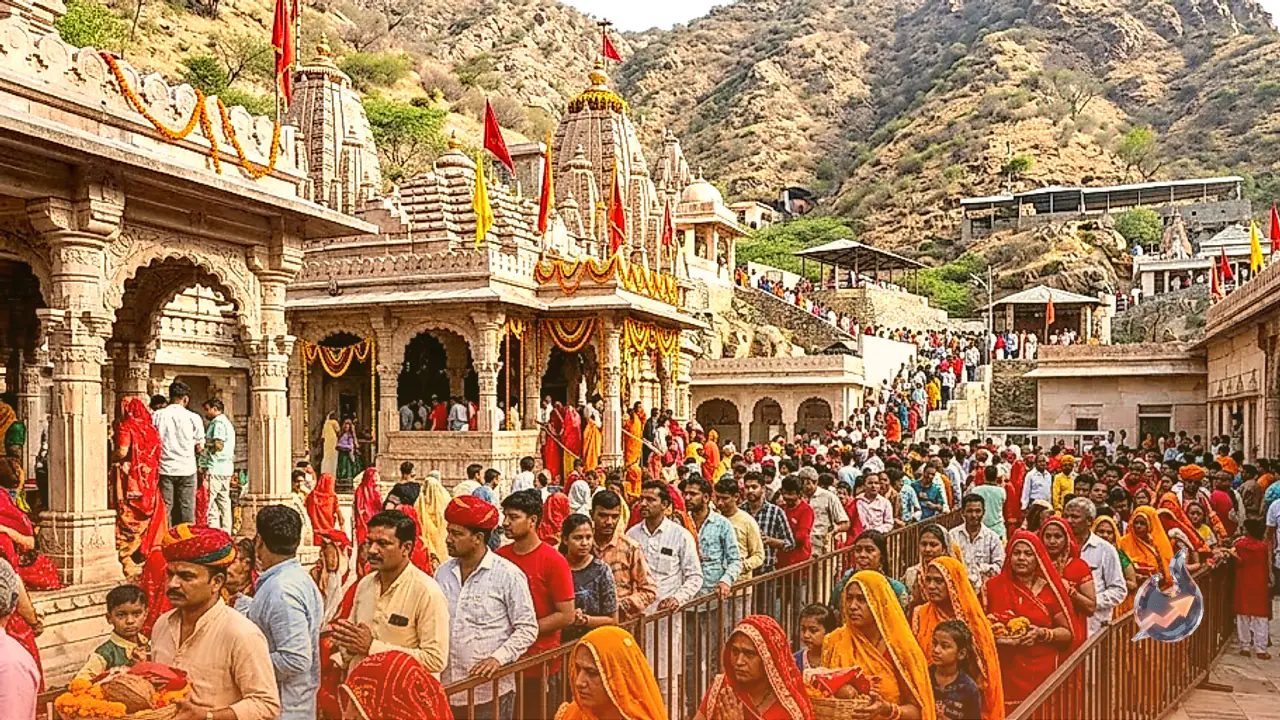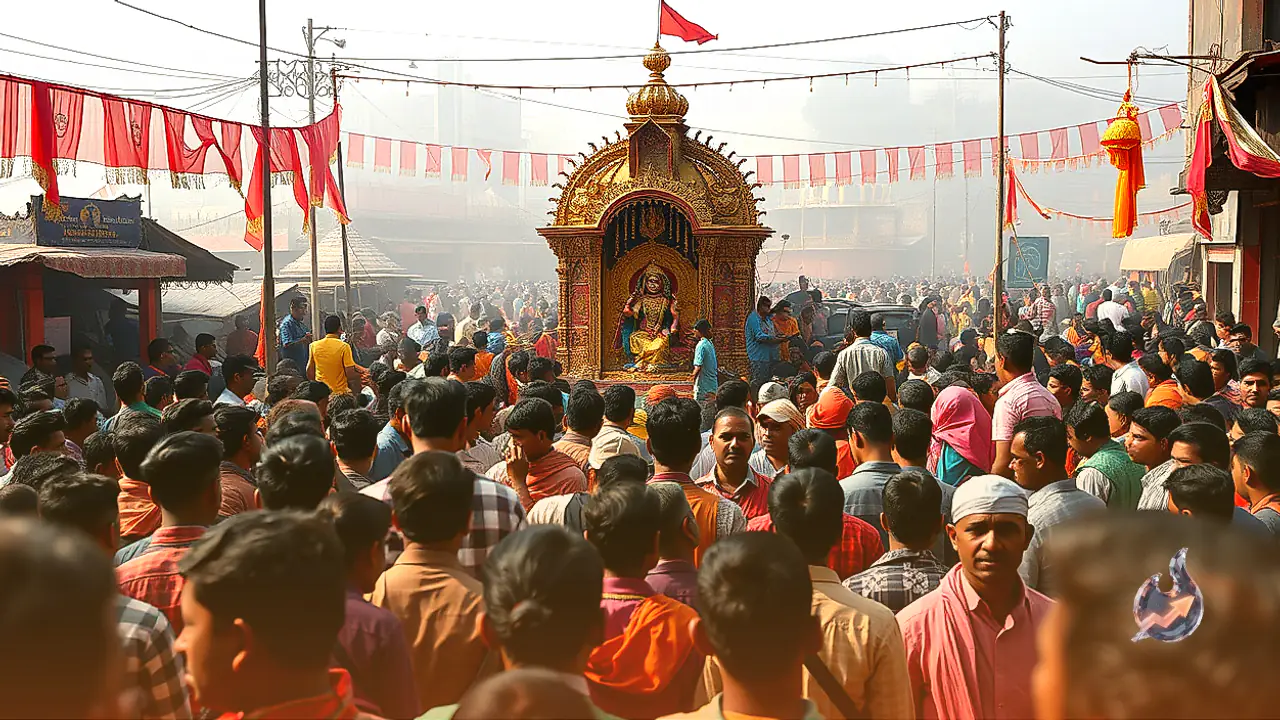



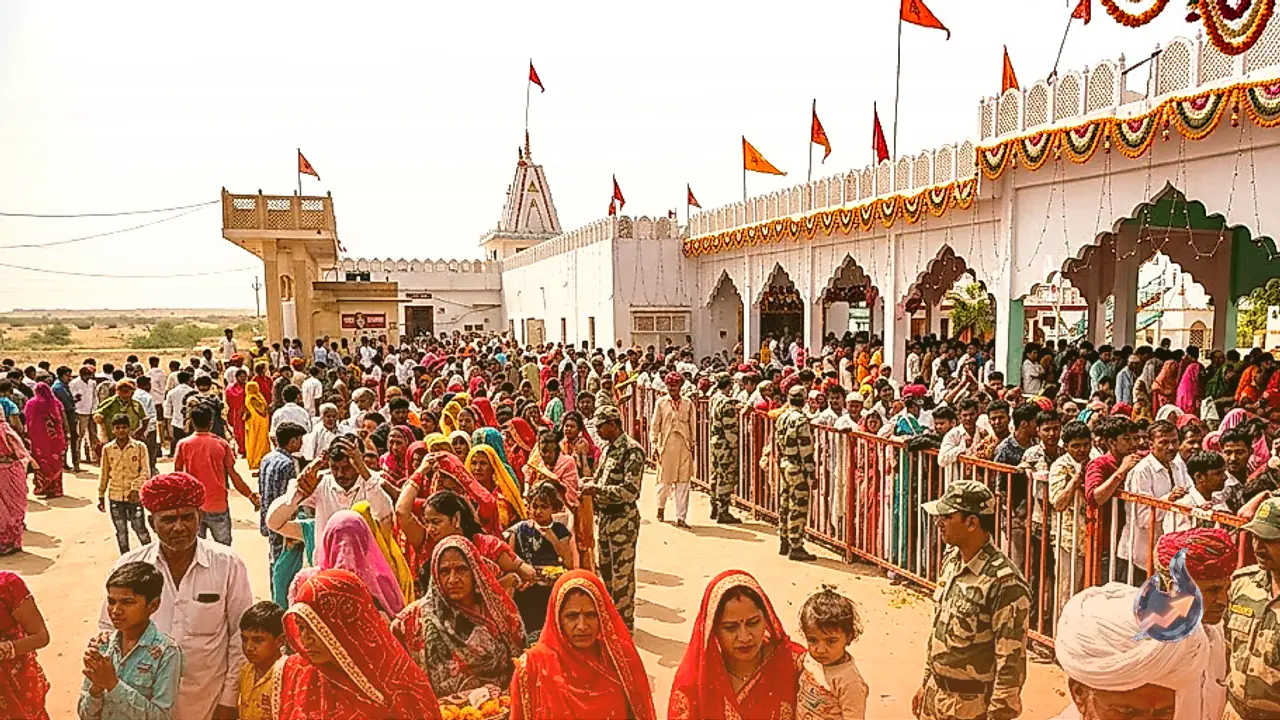














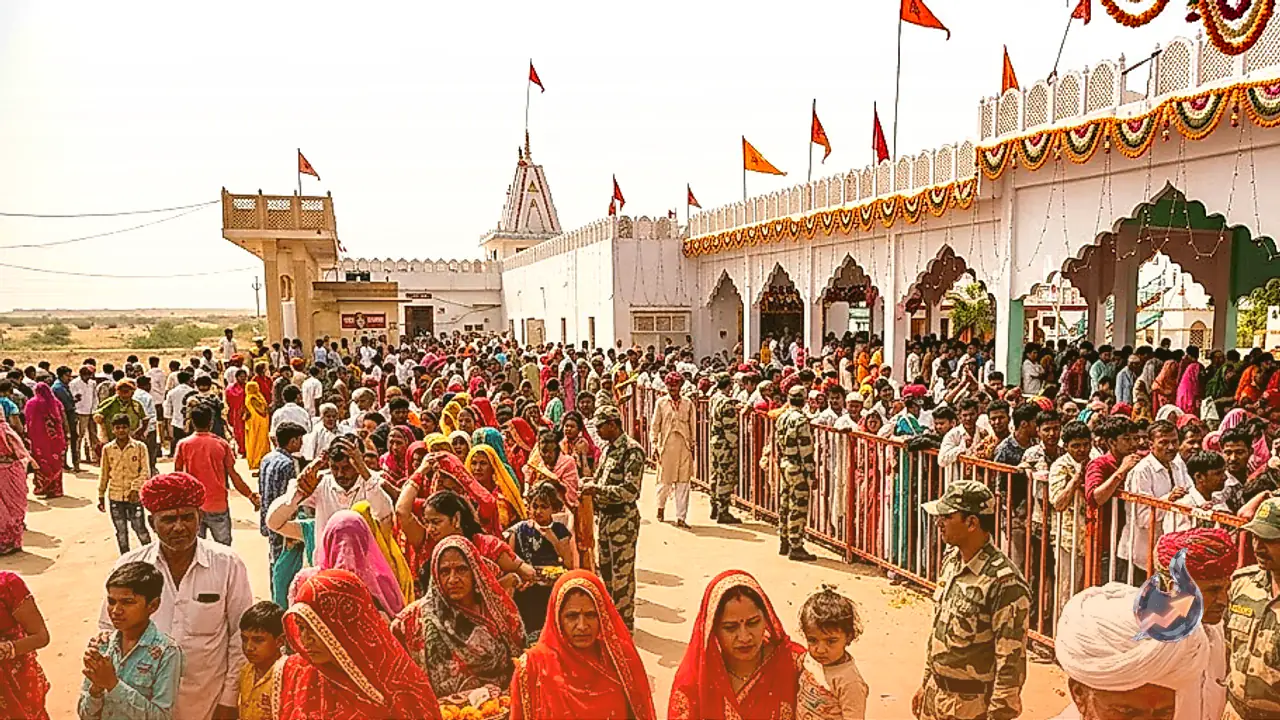

Devotional fervor swept across the western frontier in Rajasthan as the 1,200-year-old Tanot Rai shrine, located near the international border with Pakistan in Jaisalmer district, commenced its ten-day Navratri mela on Sunday. The religious observance began with the ceremonial Ghat Sthapana, heralded by traditional drums and rhythmic beats that accompanied an impressive ceremonial procession heading toward the sanctum. Following the procession, a sacred Havana-Yajna was conducted within the courtyard, where Commandant Linzkai Sitlou of the Border Security Force (BSF) 26th Battalion, alongside fellow officers and personnel, took part and presented sacred offerings before a large assembly of worshippers gathered for the concluding Aarti and distribution of blessed offerings.
Paramilitary Leadership Joins Sacred Rites
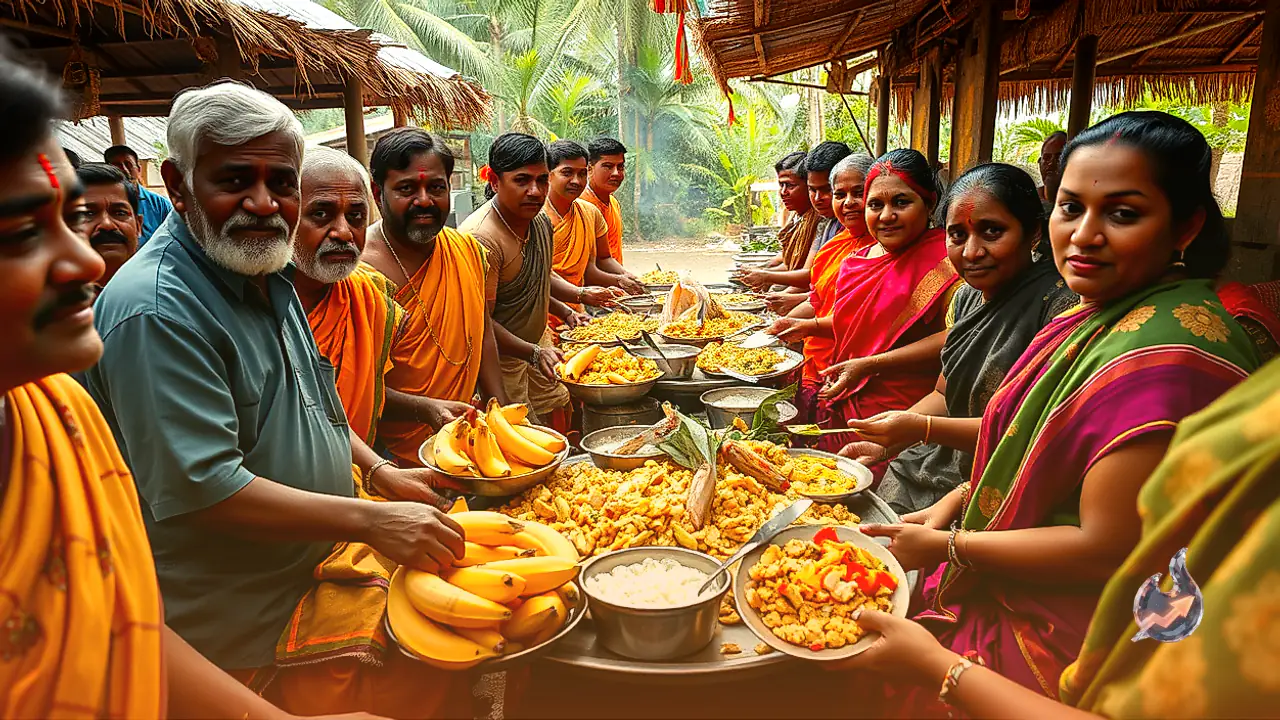
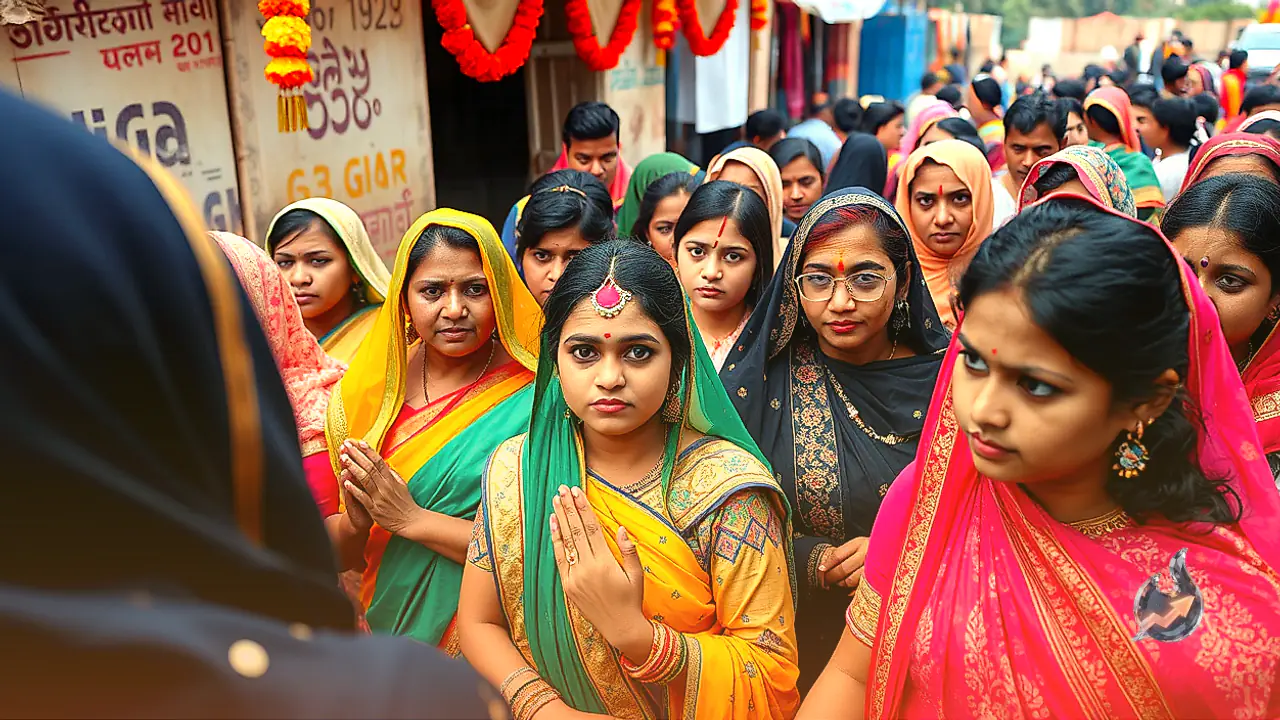
A notable presence of security officials marked the inaugural proceedings, including BSF 26th Battalion Second-in-Command (2IC) Madan Goyal, 2IC Dipankar Sharma, as well as Deputy Commandants Anmol Bhagat and Sushil Kumar. Thousands of devotees from diverse regions of the country arrived on the very first day of the festive period. In accordance with the traditional schedule, three separate Aarti ceremonies were conducted on Sunday, establishing a timetable that will continue throughout the nine-day observance, alongside an uninterrupted community kitchen serving meals from morning until evening.
Crowd Facilitation and Border Logistics
Under the supervision of the BSF Rajasthan Frontier Inspector General (IG) and the direct guidance of BSF North Sector Deputy Inspector General (DIG) Jitendra Singh Binji, the 26th Battalion has introduced comprehensive arrangements to facilitate smooth movement. Situated approximately 120 kilometers away from Jaisalmer city, the desert shrine registered an opening-day footfall exceeding 20,000 pilgrims who arrived to offer prayers for personal peace and prosperity, navigating the desert terrain to participate in the spiritual congregation.
Illuminated Architecture and Support Amenities
To celebrate the festival, the entire temple complex has been adorned with elaborate lighting and festive decorations. Authorities have mounted a large LCD screen outside the main structure, allowing devotees standing further back to witness the sanctum rituals and Aarti when internal halls reach capacity. Border Security Force personnel directly conduct the priestly duties, manage the property, prepare and distribute meals, and coordinate emergency public services. To address physical wellness during the desert festival, medical personnel and basic clinical facilities have been established through a dedicated assistance camp on site.
Foot Pilgrimages and Ghantiyali Shrine Observances
According to administrative personnel, the deep reverence surrounding the shrine is reflected in the large number of worshippers completing long walking pilgrimages to pay homage. Surrounding areas have seen the temporary setup of retail stalls catering to visitor necessities. Given the sensitive border geography and substantial crowding, rigorous security protocols remain active, combining BSF perimeter watches with local police units. Parallel rituals were likewise observed at the neighboring Ghantiyali Mata shrine, where a separate Ghat Sthapana took place alongside sacred Havana offerings.
Wartime Legacy of 1965 and 1971
The intense veneration shared by pilgrims and armed forces stems largely from accounts linked to the 1965 and 1971 military conflicts between India and Pakistan. According to widespread accounts, enemy forces fired hundreds of explosive shells toward the temple grounds during combat operations, yet not a single munition detonated within the inner shrine precincts. This survival deepened the conviction of regional villagers and frontline troops, motivating the Indian military and BSF to assume direct responsibility for rebuilding, preserving, and administering the historic monument following the 1965 hostilities.