
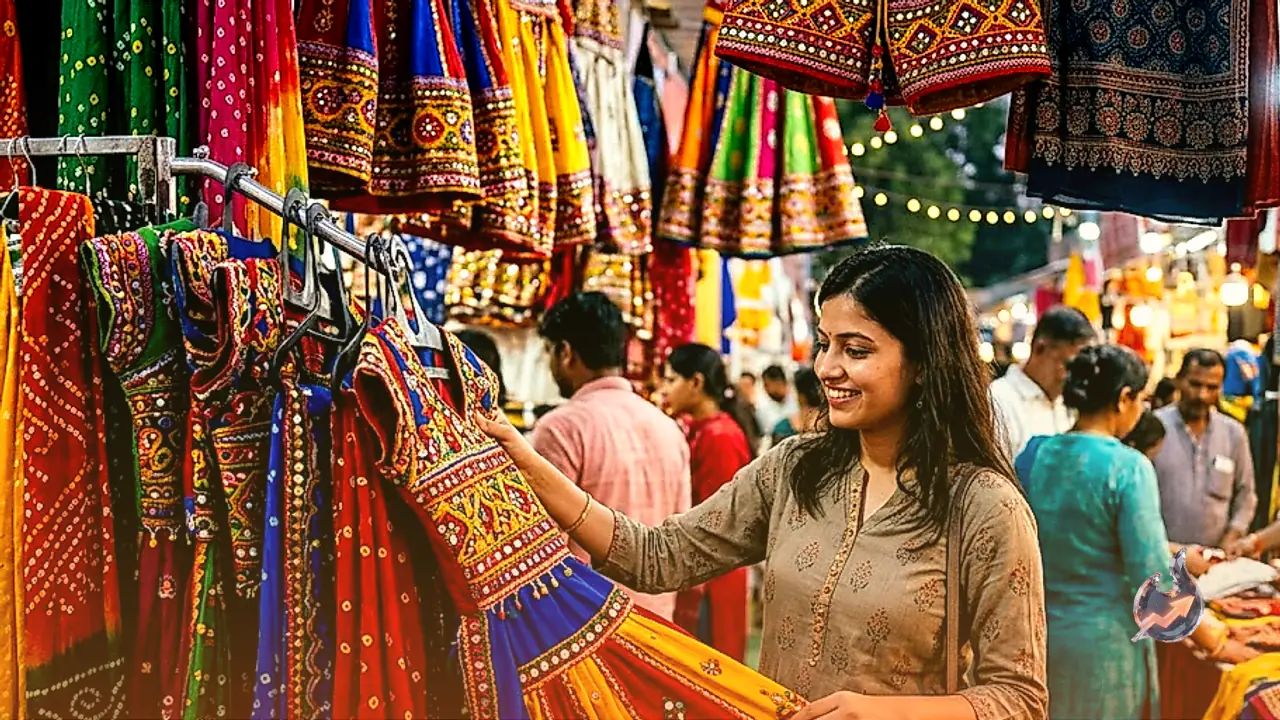














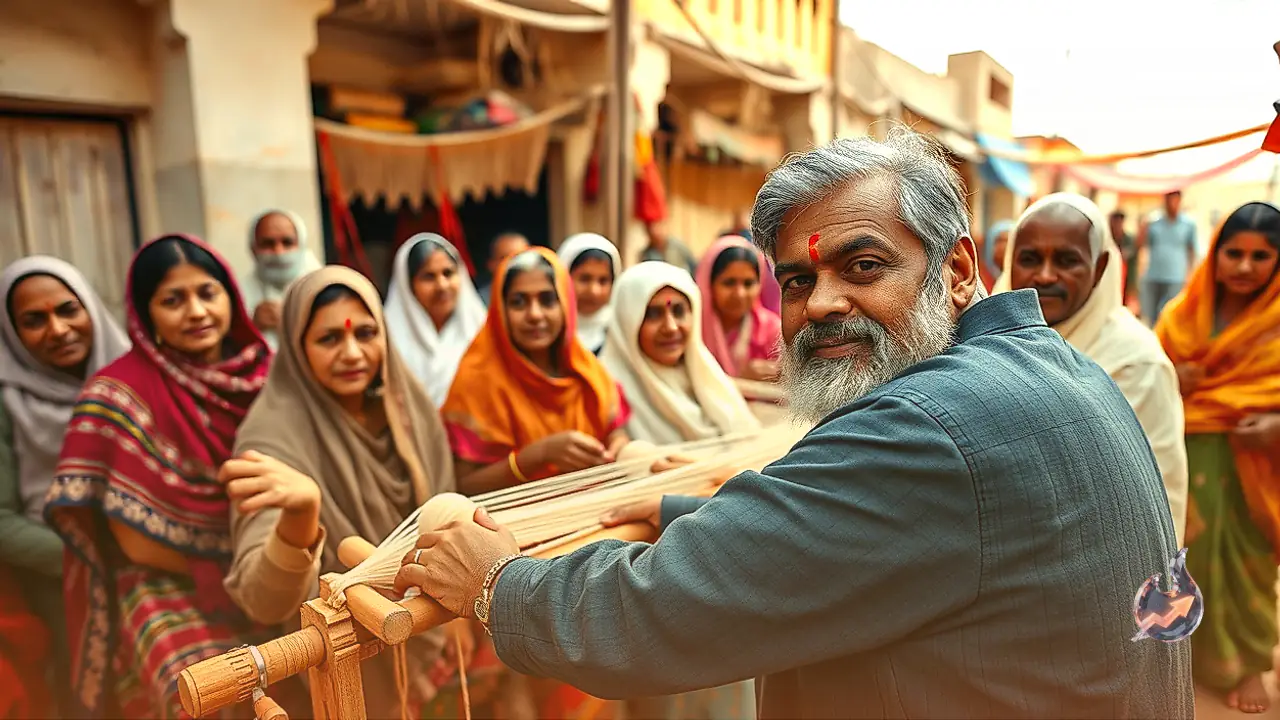

An immersive event dedicated to India's rich textile heritage and indigenous craftsmanship was recently held at the National Institute of Fashion Technology in Jodhpur. The gathering aimed to bridge the gap between traditional handloom traditions and modern fashion education, giving students direct exposure to the realities of artisan work. The initiative served as a platform to highlight the immense dedication required to keep indigenous textile practices alive in a rapidly modernizing world.
Live Demonstration by Barmer Artisan
The standout attraction of the event was a live demonstration conducted by skilled weaver Bhuraram from Barmer. He operated a traditional spinning wheel in front of the students, meticulously showing how raw cotton is carefully drawn out to create a strong, durable thread. For young students accustomed to high-tech machinery, witnessing the manual transformation of fibers into yarn firsthand proved to be an eye-opening experience. This practical demonstration highlighted the immense physical labor, patience, and unmatched skill possessed by traditional craftspeople.
Encouraging Innovation in Fashion Design
Sharing his perspectives on the initiative, NIFT Jodhpur Director Professor GHS Prasad noted that such creative programs offer students invaluable insight into every minute stage of textile production. Observing the creation process up close allows young designers to better understand the natural properties, textures, and versatile applications of the fabric. He expressed optimism that this experiential learning will inspire students to incorporate sustainable handloom fabrics into their future fashion and textile projects in fresh, appealing ways.
Competitions and Awards
Beyond the live exhibitions, the festival featured multiple competitive events designed to promote indigenous goods and raise awareness about hand-spun fabrics among the youth. Talented students who excelled in these contests were duly recognized and honored during the proceedings. The overarching goal of the entire program was to connect the younger generation with indigenous artisan skills, thereby helping traditional handloom materials secure greater popularity and recognition within the modern fashion industry.