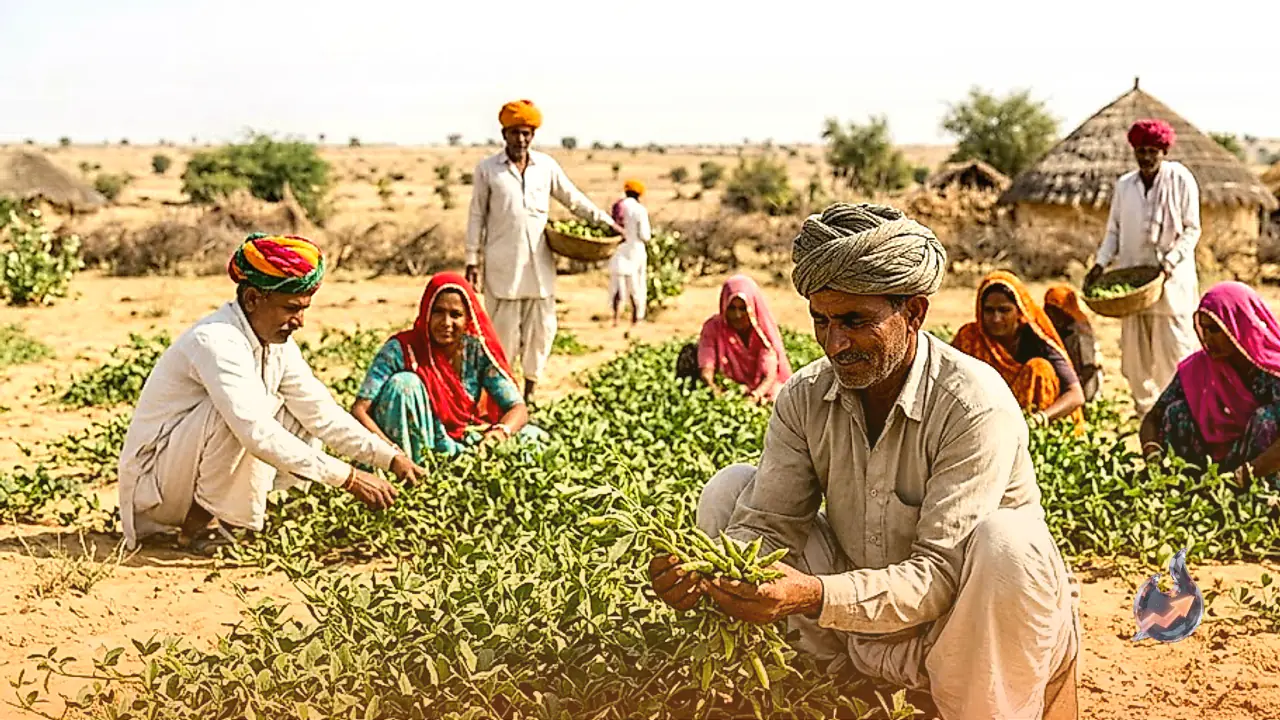





















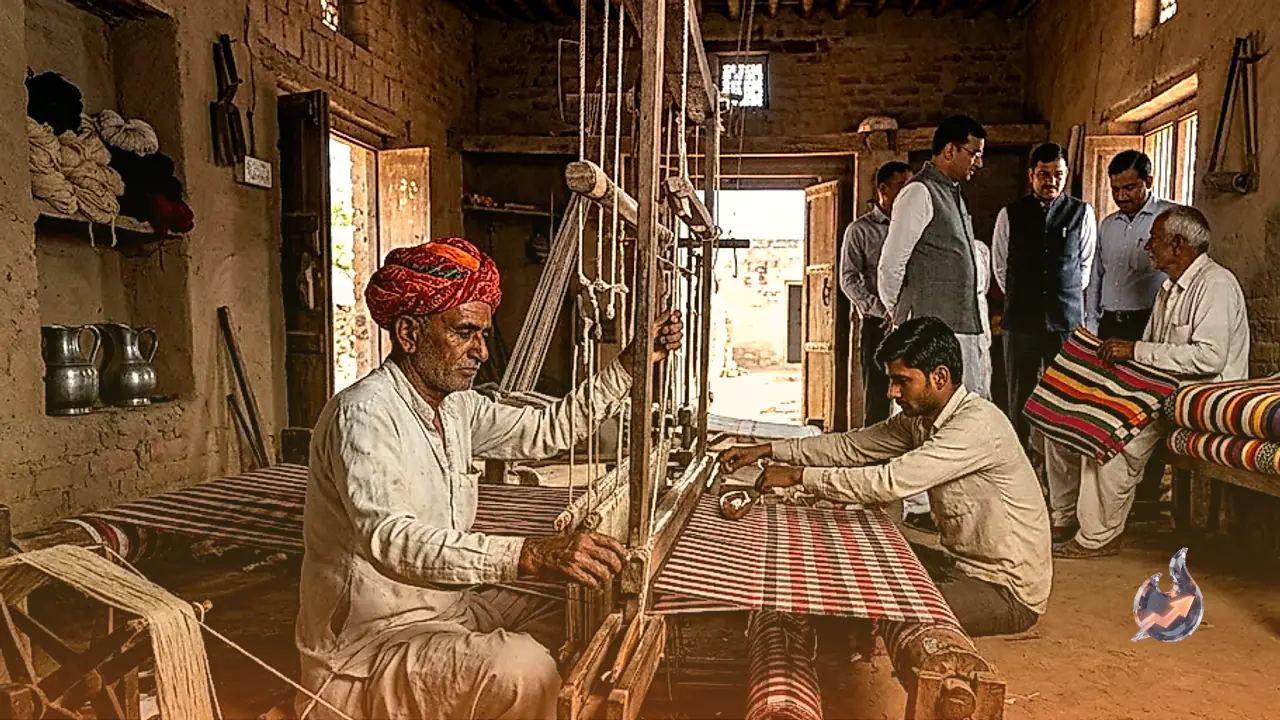

In an industrial landscape increasingly dominated by automated machinery, a small rural settlement in the Jalor district of Rajasthan continues to preserve a prized handloom craft passed down through centuries. Situated roughly 7 to 8 kilometres away from Jalor town, Leta village owes its distinct cultural identity to the traditional handloom industry. For generations, local craftspeople here have relied exclusively on manual dexterity rather than power looms to weave blankets traditionally called kheslas. Even as mechanized mills have displaced conventional handicraft clusters elsewhere, the weavers of Leta have kept their ancestral heritage flourishing through dedication and personal craftsmanship.
Pure Cotton Weave and Year-Round Utility
The defining hallmark of the kheslas crafted in Leta lies in their absolute material purity and versatile physical attributes. Locally recognized as durable blankets, these textiles are woven using 100 percent pure cotton yarns without blending any synthetic or inferior fibres into the fabric. This strict adherence to unadulterated cotton gives them exceptional longevity and an adaptable thermal profile. During chilly winter nights, the thick natural cotton structure traps warmth, whereas during hot summer afternoons, the breathable cotton fibers offer a cooling and pleasant texture against the skin. Because of this dual-season practicality, the bedding appeals not only to residents of the district but also to visiting travellers, with numerous government administrative officers travelling directly to Leta to purchase these handcrafted items.
Complex Handloom Technique and Ancestral Heritage
According to local resident Shaktidan, crafting kheslas is far from a recently introduced trade; it represents an ancestral art form handed down carefully from one generation to the next within artisan households. The creation of a single khesla requires substantial labor, precision, and patient handling. The meticulous sequence begins with preparing and sorting the pure cotton yarns. Once the threads are methodically arranged, a substantial volume of yarn is mounted onto wooden handlooms. The weavers then manipulate the shuttle and harness rhythmically, executing intricate interlacing patterns by hand. Every finished blanket bears the unmistakable mark of human effort and the refined technical mastery developed across decades of domestic practice.
Standard Dimensions, Accessible Pricing, and Rural Livelihoods
Beyond traditional kheslas, handloom units in Leta produce related household goods including bedsheets and towels. A standard handmade khesla measures approximately 8 feet in length and 4.5 feet in width, retailing at an accessible price band ranging from about 500 to 1000 rupees. While much of the trade takes place through local village visits and regional markets, products can now also be sold through online channels to connect artisans with broader consumer markets. Crucially, the handloom cluster serves as the primary livelihood anchor for numerous rural households. Women and other family members contribute actively from within their homes by preparing yarns and assisting in the weaving steps. This domestic production model delivers sustainable rural employment while firmly cementing Leta's khesla as an enduring symbol of Jalor's regional heritage.