


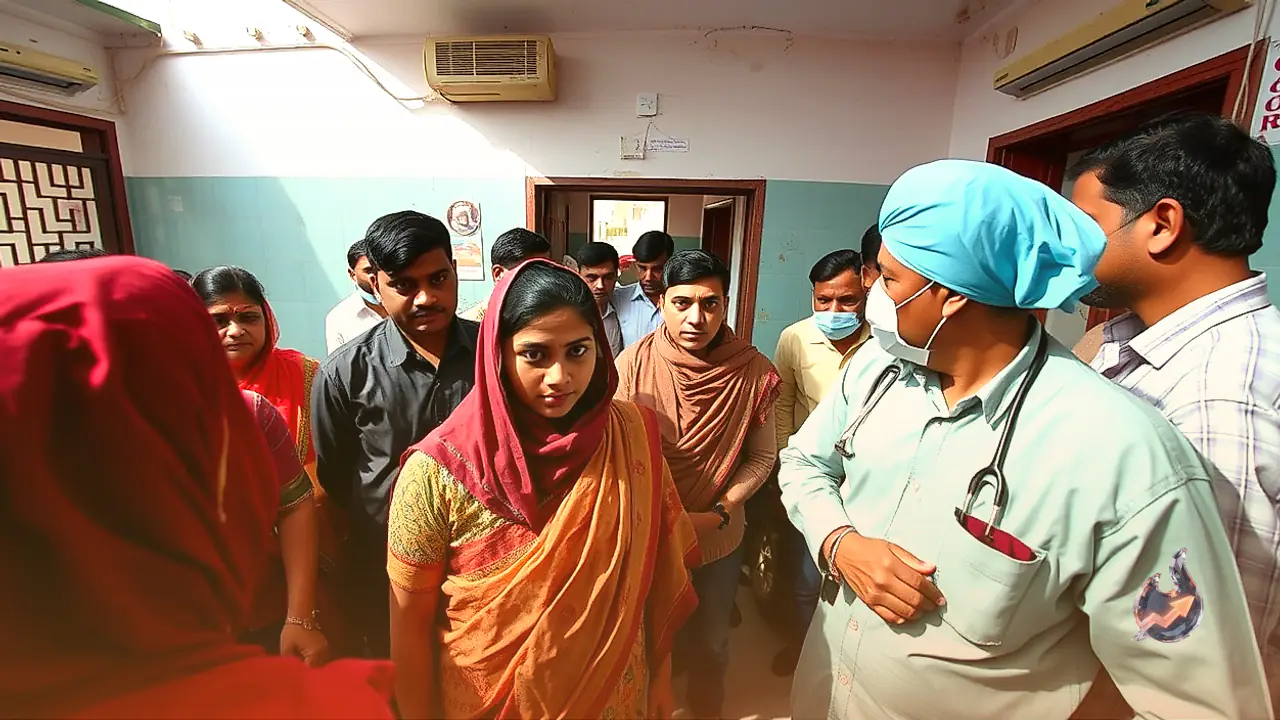














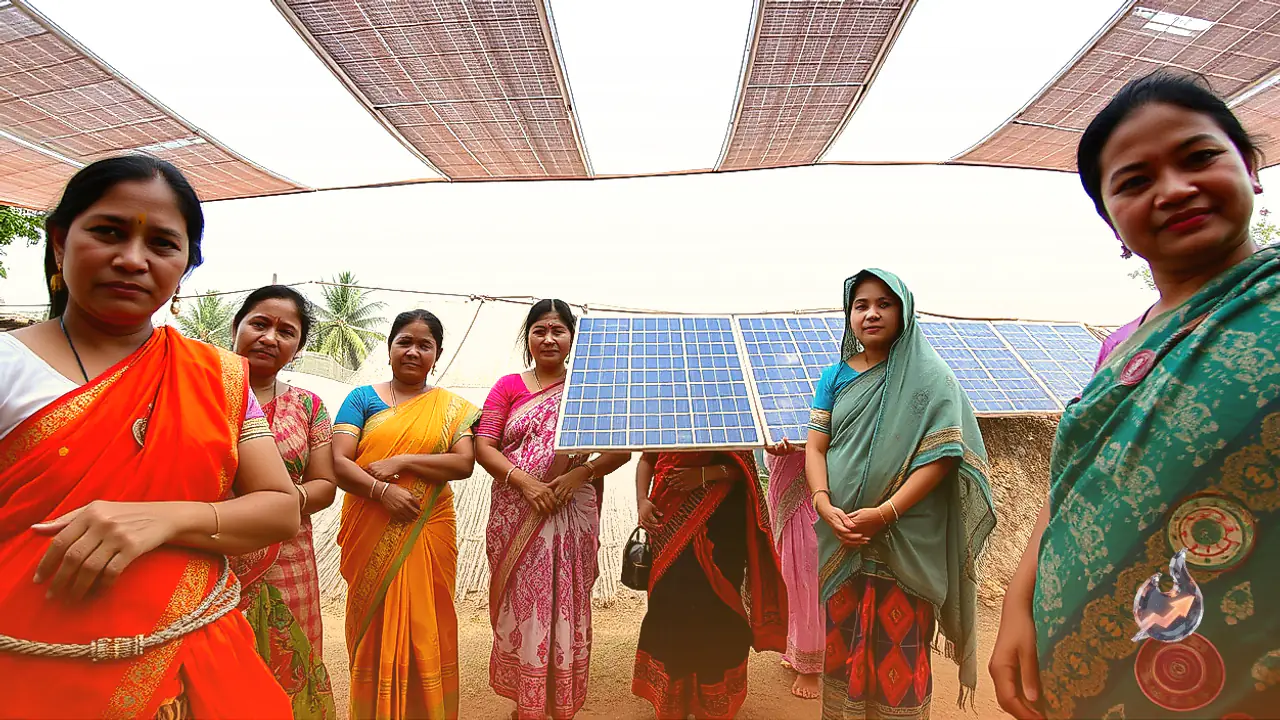

A four-day specialised training programme on mechanised Eri silk reeling concluded at the Community Resource Centre in Chandrasing Rongpi village, located under the Rongmongve Block of Assam's Karbi Anglong district. Organised from September 30 to October 3 for eight Indigenous Karbi women, the initiative focused on upgrading traditional hand reeling through modern equipment to foster sustainable livelihoods and rural micro-enterprises. Eri silk, globally appreciated as Ahimsa silk, forms an integral element of Karbi cultural heritage and generational wisdom, although traditional practices spanning cocoon rearing, spinning, and weaving have steadily grown rare across rural settlements.
Hands-On Technical Training and Quality Standards
The sessions were conducted by Mirbon Teronpi and Madhuri Teronpi, experienced Eri reeling trainers from Diphu who hold advanced expertise from the Department of Sericulture under the Karbi Anglong Autonomous Council (KAAC). Participants received comprehensive practical guidance covering every stage of production, including cocoon preparation, operating mechanised reeling units, joining broken yarn ends, winding, safe yarn handling, and systematic quality assessment. Special attention was paid to maintaining uniform thread thickness, operational efficiency, and overall consistency across batches.
Micro-Enterprise Building and Commercial Pricing
Beyond technical reeling skills, the syllabus covered product development, expenditure estimation, and market-oriented pricing strategies designed to help participants establish viable micro-enterprises. Organisers emphasised establishing a resilient value chain connecting raw cocoon harvesting directly to finished woven garments. The programme also explored how nature-based livelihoods rooted in the responsible management of indigenous natural resources actively strengthen ecological conservation alongside rural economic stability.
Overcoming Traditional Reeling Challenges
Sharing her experience, participant Kache Rongpipi from Bakring Engti village noted that the practical demonstrations clarified the nuances of mechanised reeling, giving her the confidence to pursue Eri silk as a sustainable profession. Kaku Rongpipi from Khailun Terang village highlighted that traditional hand reeling was excessively time-consuming, physically demanding, and prone to inconsistent yarn thickness. The adoption of mechanised equipment provided clear, practical remedies to these long-standing operational hurdles.
Renewable Energy and Ecological Conservation
Joshna Terangpi, Project Officer at Aaranyak who coordinated the training, stressed the urgent need to protect the craft, stating, "This endangered, climate-friendly textile practice needs timely intervention to survive." She underlined that the practice carries generational knowledge and deep cultural identity for the community. The training utilised solar-powered Eri reeling machines supplied through support from the SELCO Foundation. Supported on the ground by Field Volunteer Presila Terangpi alongside village participants Margrath Terangpi and Anjona Rongpharpi, the workshop operated under Aaranyak's Natural Resource Management Programme, supported by IUCN-KfW to foster alternative, nature-based livelihoods across Northeast India.