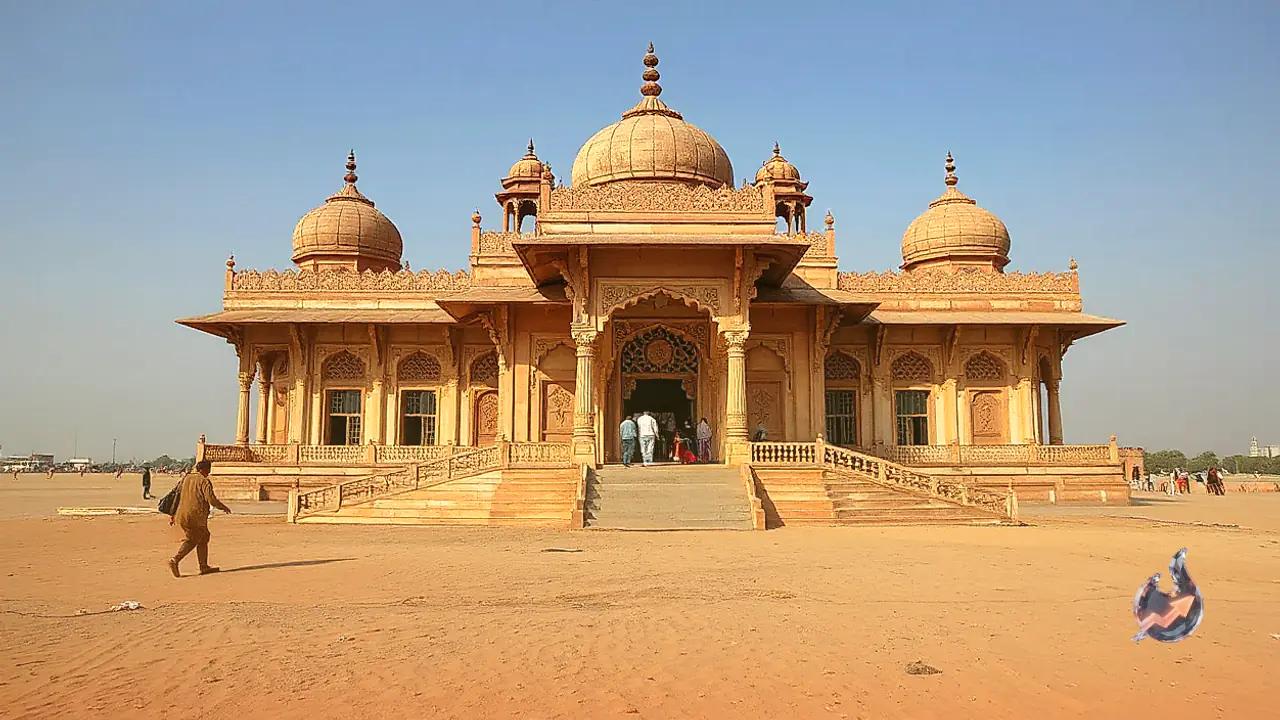
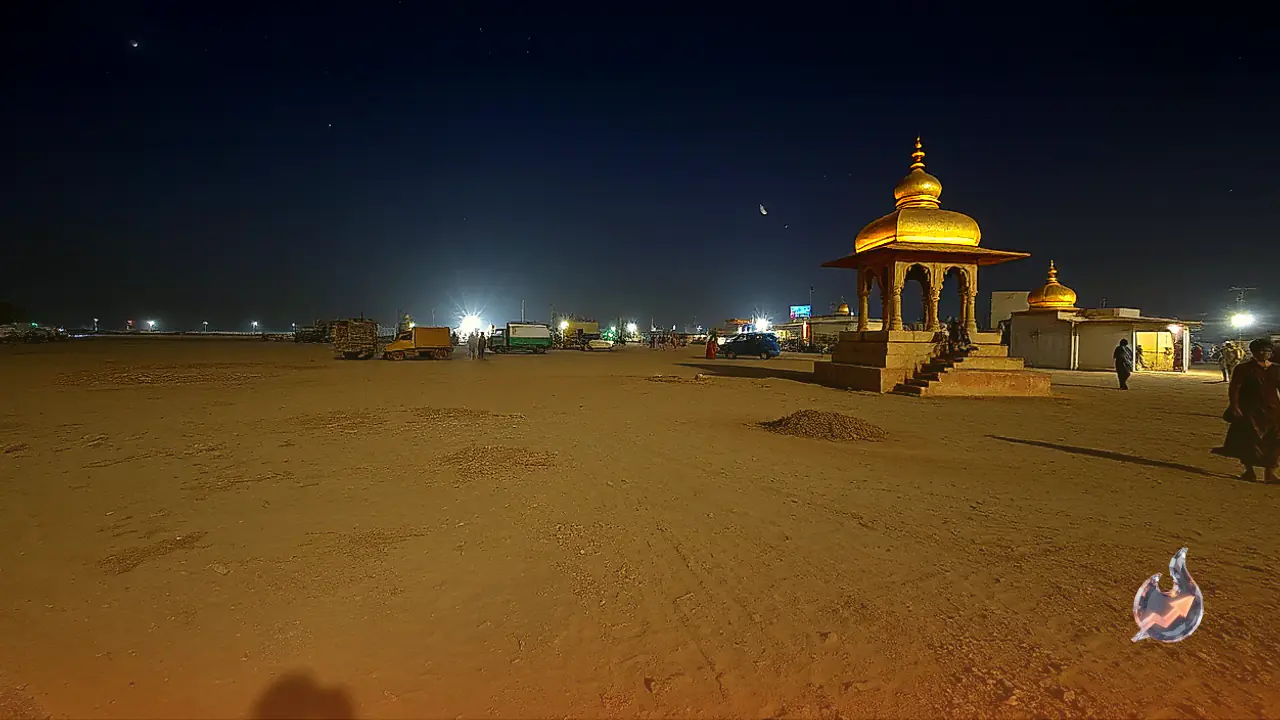














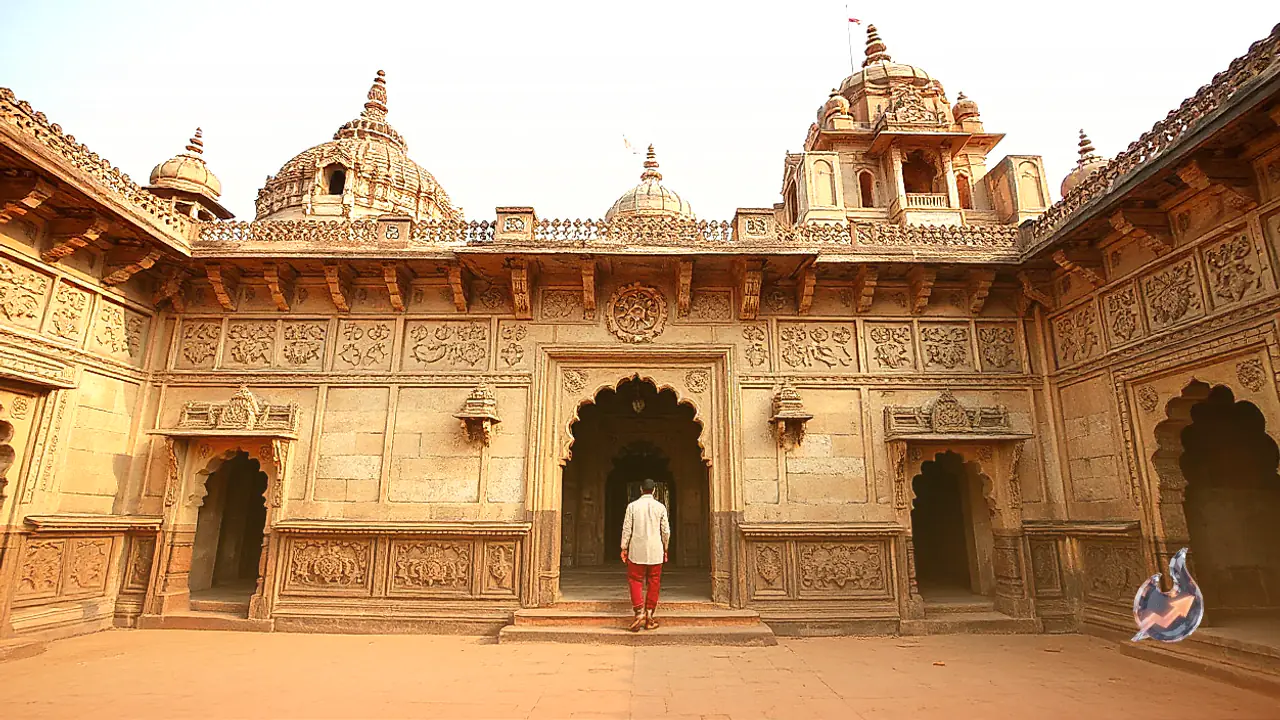

Bharatpur in Rajasthan holds a distinctive place on the cultural map, known not just for its storied history but also for its profound architectural and artistic heritage. Across the region's historic temples, walls, sturdy pillars, and grand entrance gateways carry intricate stone carvings that immediately seize the viewer's attention. Executed in the traditional Braj style, these stone artworks stand as physical proof of the incredible talent of master craftsmen while reflecting the deep rooted cultural and spiritual legacy of the area.
The Careful Journey from Raw Stone to Initial Sketch
Carving in the Braj tradition is a meticulous discipline where seasoned artisans transform raw, unpolished stone into expressive masterpieces. The journey begins with the careful identification and selection of suitable stone capable of holding fine relief work over centuries. Once chosen, artisans draw out the desired design directly onto the stone surface, establishing precise geometric proportions and compositional balance before the chiseling work ever begins.
Shaping Fine Details with Traditional Chisels and Mallets
With the outlines laid down, the sculptor sets to work using traditional chisels, hammers, and specialized handheld tools to gradually chip away excess material. The process demands extraordinary patience and concentration, as even the slightest misstep or excess pressure can ruin an entire panel. Every minor curve and surface detail is shaped patiently, allowing intricate expressions, textures, and depth to emerge naturally through generational techniques passed down through artisan families.
Sacred Motifs, Divine Forms, and Nature's Patterns
The defining hallmark of the Braj style lies in its poetic depiction of devotional and natural themes. Sculptors skillfully carve blooming flora, flowing creepers, sacred emblems, and the forms of deities directly into stone surfaces. Alongside spiritual representations, one frequently encounters sophisticated geometric patterns and decorative flourishes that lend each temple sanctum a distinctive grandeur, bridging devotion with artistic excellence.
Preserving an Invaluable Legacy in the Modern Era
Even amid today's fast paced mechanization and modern building technologies, the hand carved Braj architectural style continues to command deep respect. The detailed artworks preserved within the historic shrines of Bharatpur represent irreplaceable cultural treasures of Indian stonecraft, underscoring the urgent need to maintain and protect these timeless monuments for generations to come.