






















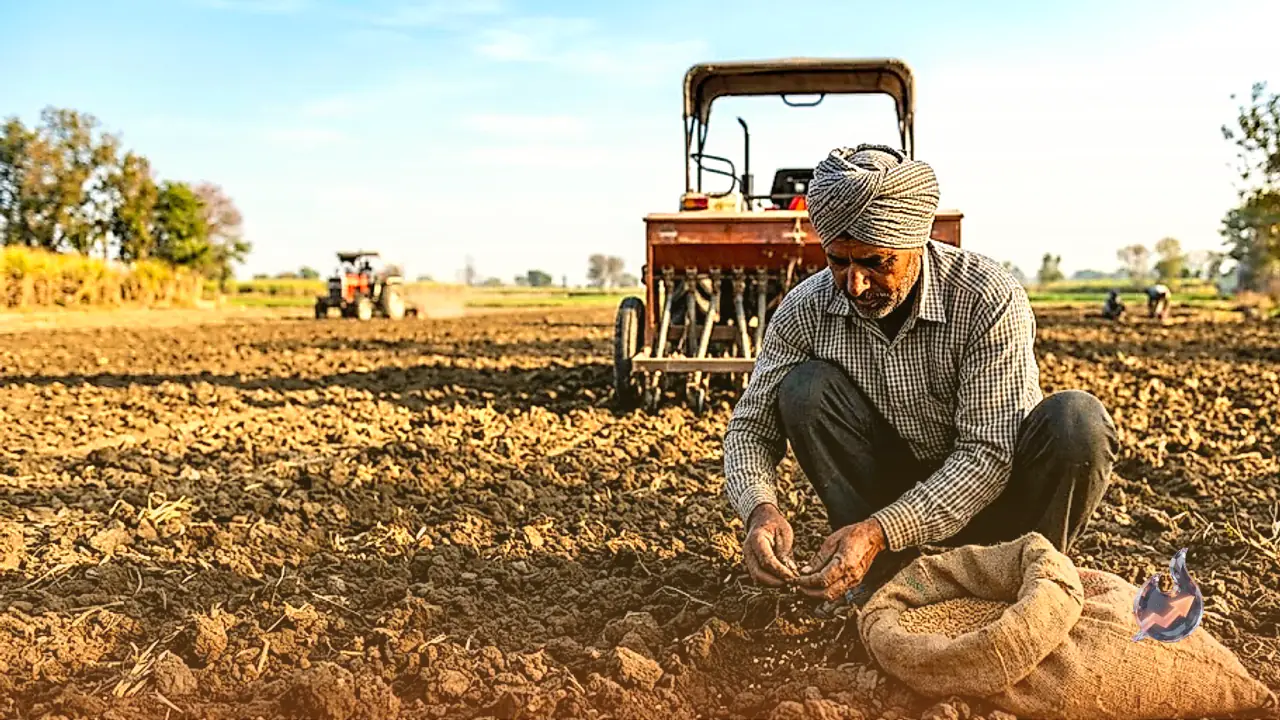

As the winter season approaches in Bhilwara, farmers are being advised to kick-start their preparations for Rabi crops without delay. This vital agricultural season sees the cultivation of major staple crops such as wheat, gram, mustard, barley, and fenugreek. The sowing window for these crops generally spans from October through December, while the harvesting phase takes place between March and April once the crops reach full maturity. Securing a high yield heavily depends on timely land preparation and adhering to the correct sowing schedule.
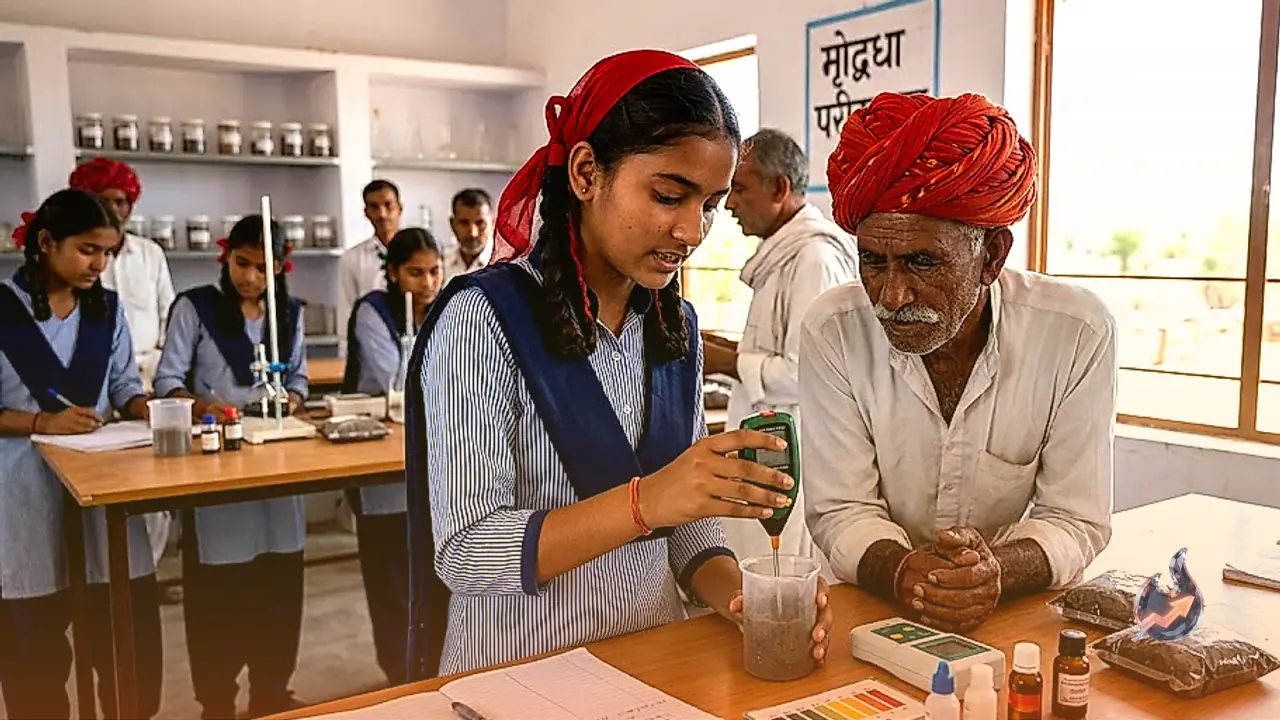
Before initiating the sowing process, cultivators should thoroughly clean their fields and clear away any residues left from the previous harvest. Ploughing should be carried out as needed to break down the soil into a fine, friable texture that supports root growth. Maintaining adequate moisture levels within the soil is equally critical for early crop establishment. Utilizing manures and fertilizers based on the specific results of soil testing ensures that the young plants receive optimal nutrition right from the start.
For wheat cultivation, growers must pay close attention to timely sowing and consistent irrigation management. On the other hand, gram stands out as a prominent pulse crop capable of delivering a robust harvest even under limited water availability. Mustard planting must also be executed strictly on schedule, as any significant delay can adversely impact the final yield. Farmers should carefully evaluate local climatic conditions and the specific state of their fields before selecting which crop variety to plant.
Barley and fenugreek also serve as valuable crops for cultivators during the Rabi months. However, each of these varieties has distinct requirements regarding soil composition, temperature ranges, and water consumption. Consequently, growers should thoroughly research the specific needs of their chosen crop prior to planting. Opting for certified seeds of high quality helps significantly in mitigating the risks posed by pests and plant diseases.
Prior to dropping seeds in the soil, farmers are encouraged to consult agricultural experts regarding seed rates, planting distances, seed treatment protocols, fertilizer application, and irrigation schedules. Over-irrigating the fields can cause severe harm to the crops, just as applying excessive fertilizers without understanding the actual soil requirements inflates the overall cost of production. Keeping a close watch on weather forecasts will also prove beneficial for planning farm activities.
Timely field preparation, wise crop selection, and disciplined sowing are the three pillars of a successful Rabi harvest. Cultivators should map out their logistics regarding seeds, fertilizers, and water availability well in advance to avoid any hurdles during the peak sowing window. Seeking guidance from the local agricultural department or field supervisors goes a long way in maximizing output while keeping operational expenses under control.