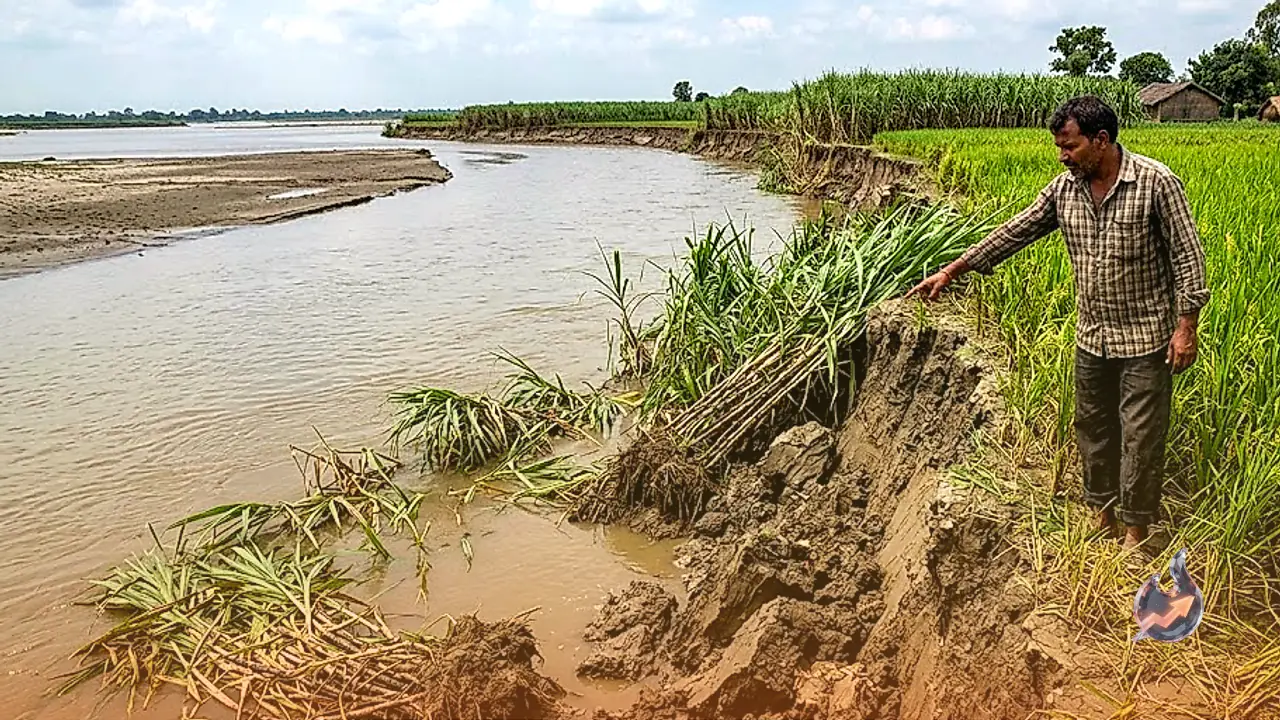



















Floods in Bihar are a recurring challenge as the rising water levels of the Ganga and various other rivers during the monsoon season constantly increase hardships for people residing in low-lying regions. In many areas, residents are forced to abandon their homes due to water inundation or severe river erosion. Bhagalpur witnesses the devastating impact of floods and erosion every year, but Kalyanpur village in the Sultanganj block presents a uniquely grueling scenario where residents' lives remain virtually trapped amidst vast expanses of water for nearly three months annually. The locals here describe themselves as water prisoners due to this grueling isolation.
Surrounded By Water With Boats As The Only Lifeline
As soon as the water level of the Ganga rises, Kalyanpur village gets completely cut off, besieged by water from all directions. Consequently, boats remain the solitary mode of transportation to step out of the settlement. Whether someone needs to visit the market, purchase essential household commodities, or transport a critically ill patient outside for urgent medical treatment, every single chore requires navigating through the water route. The swift current frequently turns these journeys perilous, posing constant risks to human lives.
Two And A Half Hours For A Two-And-A-Half-Kilometer Journey
To witness the actual ground realities, a visit to the village with the assistance of local residents revealed that covering a distance of mere two and a half kilometers takes approximately two and a half hours. Navigating forward becomes exceptionally difficult due to the combination of small boats and ferocious water currents. The boat frequently gets pulled toward dangerous whirlpools, making the journey treacherous. With the active cooperation of the villagers, reaching the settlement becomes possible only through persistent efforts.
Widespread Waterlogging And Anxiety On Villagers' Faces
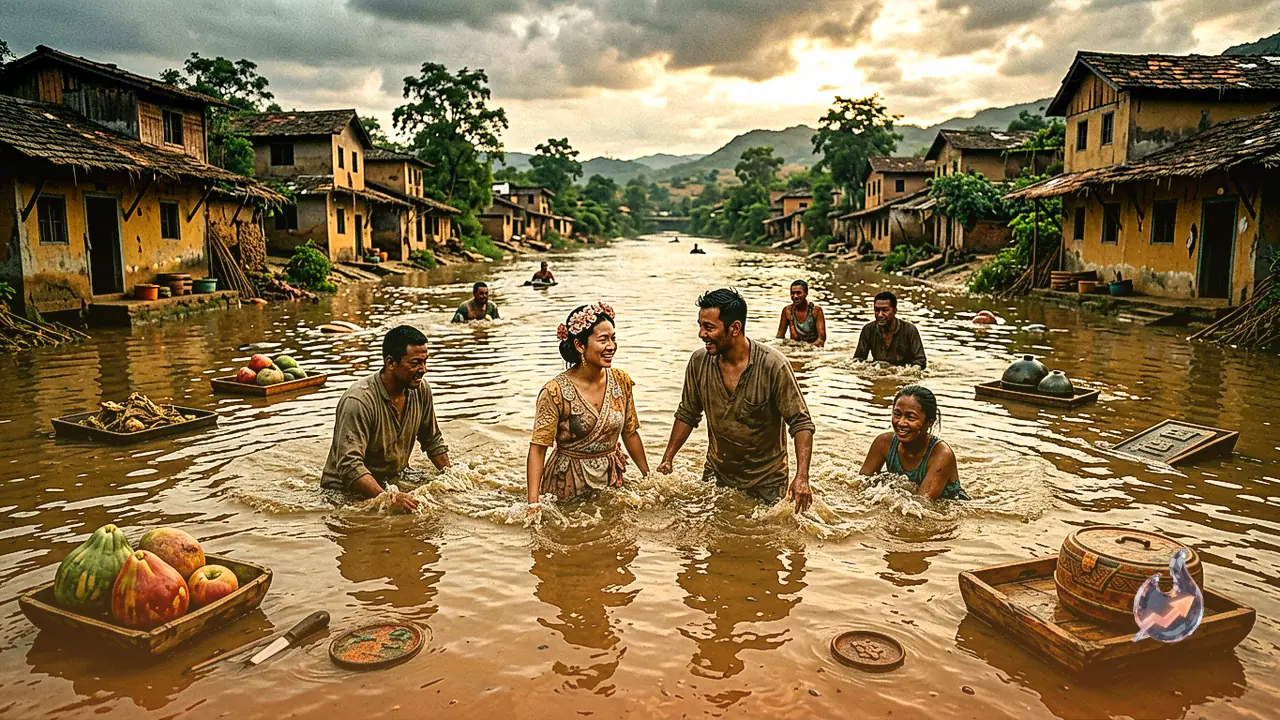
Upon entering the village, water is visible everywhere one looks. Stagnant water surrounds numerous homes, crippling normal routines. Villagers can be seen sitting anxiously at their doorsteps. Looking at one another, deep worry is clearly visible on every face, as if everyone shares the perpetual question of how long they will be forced to spend their lives trapped amidst this water.
Stocking Three Months Of Rations In Advance
Locals explain that much before the floods arrive, they are compelled to stock up on rations sufficient for roughly three months. Once water levels rise, fetching supplies from the marketplace becomes nearly impossible. This is precisely why villagers prioritize dry rations with a long shelf life. According to the residents, cooking meals during the floods also turns into a massive hurdle because water enters several houses, leaving no dry space to set up traditional stoves or store firewood. In such trying times, dry food proves to be the most helpful, while arranging safe drinking water is equally arduous.
Farming And Animal Husbandry As Main Stays Amidst Matrimonial Struggles
Most families in Kalyanpur depend primarily on agriculture and animal husbandry for their livelihood. Floods severely disrupt agricultural activities, while securing fodder for livestock becomes a monumental task. Since venturing out of the village remains strenuous, routine necessities and medical emergencies alike transform into major crises. Villagers share that they face immense troubles during the marriages of their children as well. Because reaching the village requires traveling across deep water, families from other regions hesitate extensively before considering marriage alliances here. Finding suitable matches for their sons and daughters is nothing short of a formidable challenge.
A Persistent Demand For Permanent Protection
The foremost demand of the suffering villagers is a permanent safeguard for their settlement against recurring floods. They assert that constructing a proper embankment here would provide substantial relief from the yearly deluge. Currently, they prepare well in advance every year before the floods strike and somehow manage to survive until the water recedes completely.