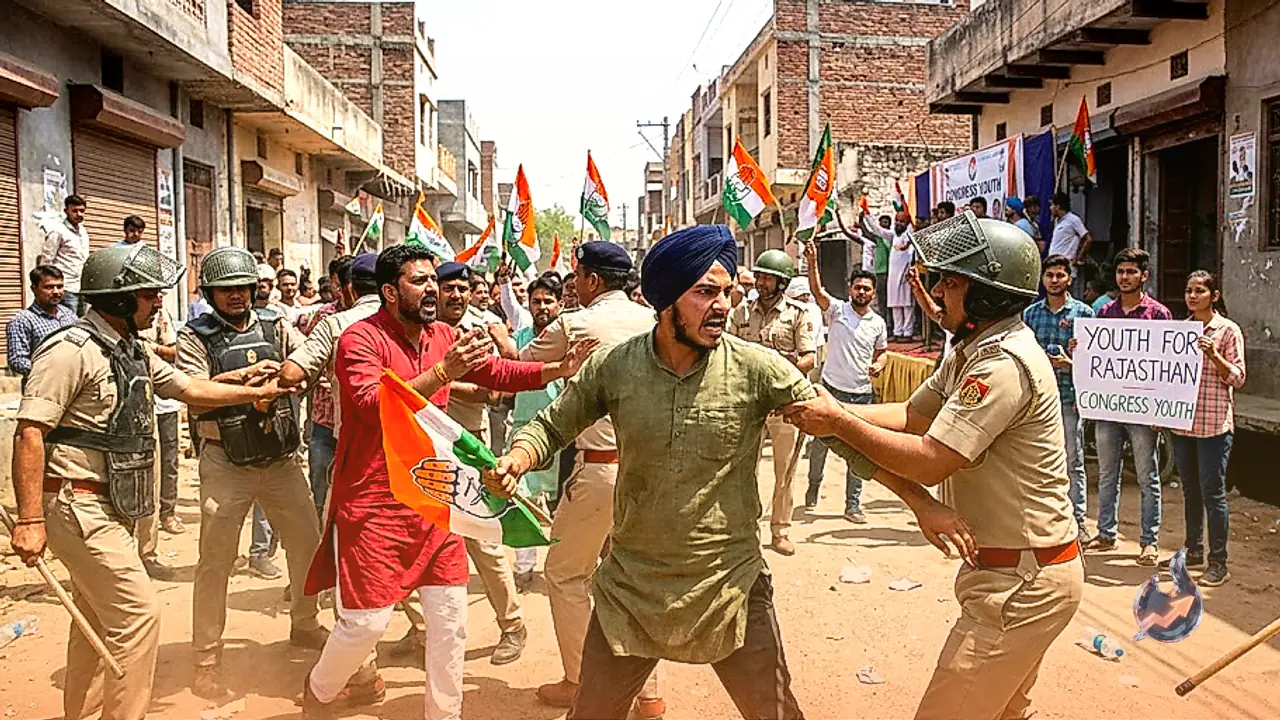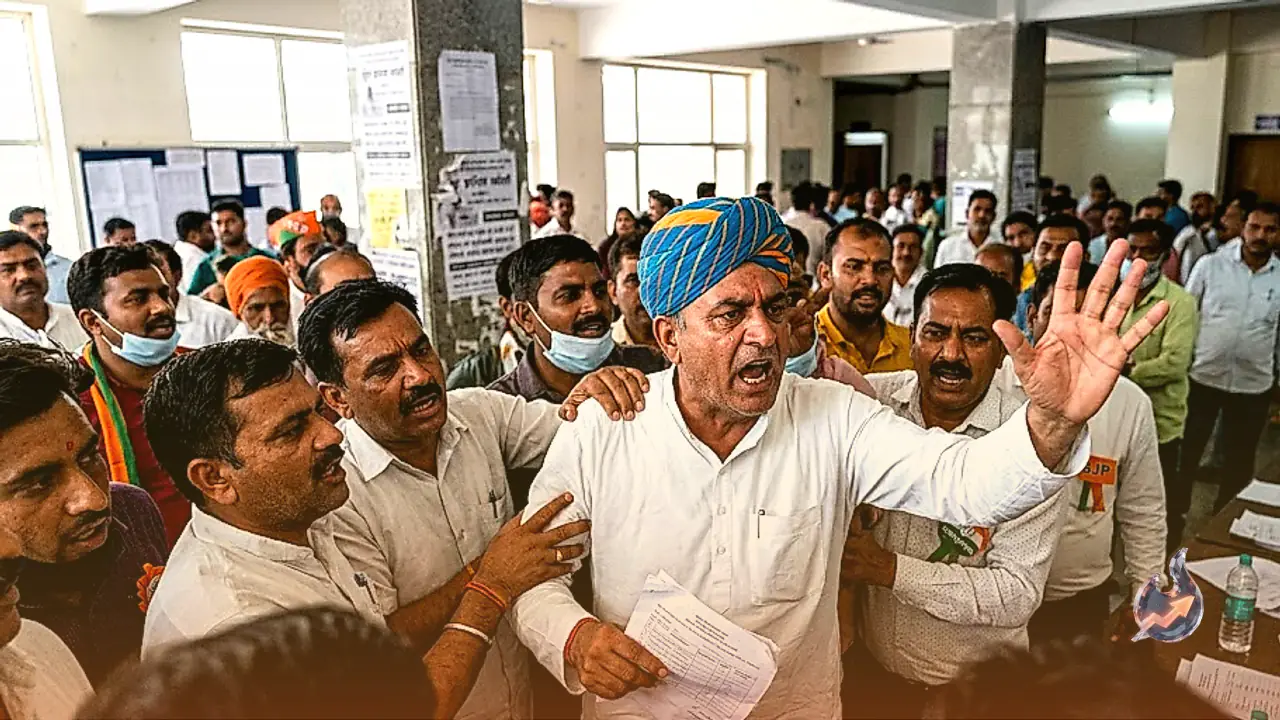






















Nomination procedures for the elections across 303 civic bodies in Rajasthan have concluded in Jaipur. Amid deep friction and widespread dissent, the Bharatiya Janata Party and the Congress have distributed party symbols to their respective nominees. However, rebellious factions have quickly made their presence felt. Thousands of hopeful ticket seekers from both major parties have filed nominations as independent rebels across the state capital and the entire region. Parties now face the uphill task of pacifying these dissenting voices. With September 3 marked as the final date for withdrawal, intensive efforts to engage and convince these rebels are currently underway over the upcoming two days.
Deploying heavyweight leaders for damage control
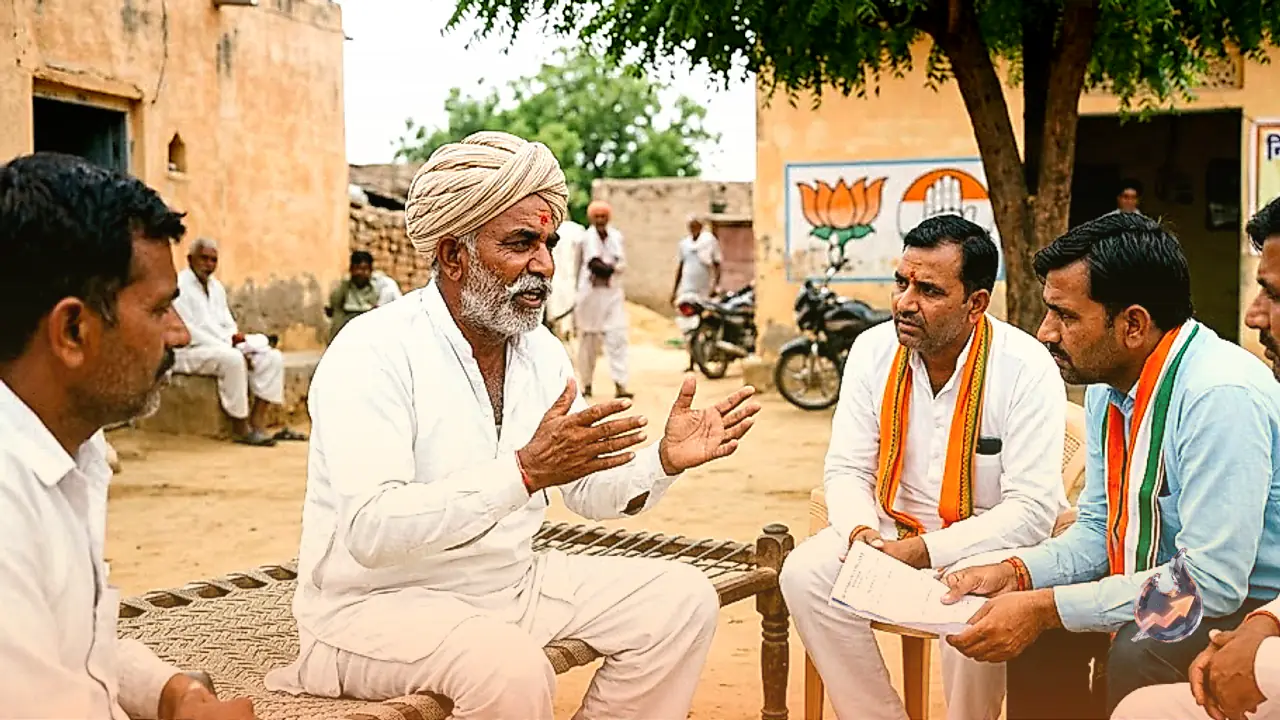
Political analysts note that the BJP and the Congress will dispatch prominent, influential leaders directly to the homes of these rebels to negotiate settlements and mend fences. The volume of rebellious candidates this season is reported to be significantly higher than in previous electoral cycles. Both parties appear to be executing a nearly identical strategy to address the crisis. The same leaders whom these aspirants previously used to lobby for tickets are now being deployed to convince them to step down.
The three-tier formula of pressure and persuasion
Parties are applying a three-pronged approach of pressure and persuasion to convince rebel candidates to withdraw in favor of the official nominees. First, the task of persuasion is assigned to the specific party leader whom the rebel considers a close associate. Second, influential local party members within the respective ward are brought in to counsel the dissenter. Third, social pressure is applied on the rebel candidate to prevent any fracture in the party base. According to insiders, where situations remain severely tangled and the rebel holds substantial influence, assurances of future local political appointments or other material benefits are also being extended.
Rebellion as a tactic of pressure politics
Party insiders reveal that several rebels remain in the race solely to secure political positions or organizational posts. This defiance forms a calculated component of pressure politics, a strategy these contenders began building well ahead of the polls. Meanwhile, other rebels genuinely deserved tickets but lagged behind in the race due to a lack of strong political networking. Eager to demonstrate their grassroots standing to the party leadership, they continue to contest the polls.
Targeting heavy hitters in the opening phase
Anticipating widespread dissent, candidates' names were intentionally withheld prior to the nomination phase to curb potential backlash. However, aspirants anticipated this exact tactic and filed their papers in advance as a precaution. The ball now rests in the party leadership court to determine how effectively they can manage these individuals. While some rebels lack substantial grassroots backing, many others possess deep local influence that has severely disrupted party calculations. The immediate focus for both organizations remains centered entirely on these high-impact rebels during the opening phase.