






















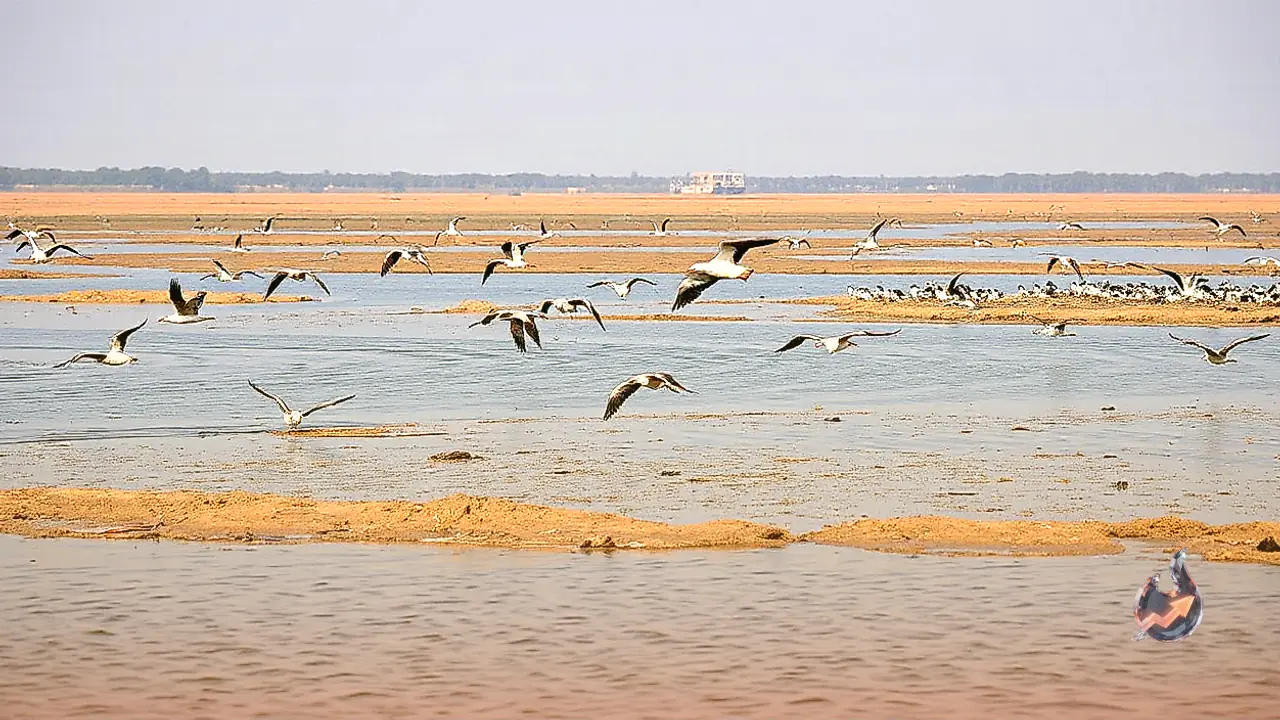

A fresh flock of rare Indian skimmer birds has landed on the sandbars of the Chambal River in Dholpur district, marking the beginning of their annual seasonal stopover. These vulnerable waterbirds, which departed the river system with the arrival of monsoon rains in June, traditionally make their return journey around early November. Their presence across the exposed sand islands in the middle of the river provides visitors on river safaris a unique opportunity to witness one of the most distinctive fishing birds in the subcontinent. Known regionally as Panchira and often referred to as the pearl of the Chambal, the bird relies on an extended lower bill to skim the water surface in mid-flight and scoop up fish.
Global Population and Conservation Status
With fewer than 2,000 Indian skimmers remaining worldwide, the Chambal basin serves as an indispensable lifeline for the survival of the entire species. Approximately 80 percent of the world's total skimmer population migrates to the sandbeds of this river every single year. Native to the Indian subcontinent, fragmented groups are also recorded across Pakistan, Bangladesh, and Myanmar. Rapid habitat shrinkage and breeding disruptions led the International Union for Conservation of Nature to place the species on its threatened Red List. In response, regional wildlife authorities alongside the Bombay Natural History Society have been running active conservation interventions to safeguard the remaining bird colonies.
Nesting Behavior and Persistent Habitat Pressures
Bird enthusiast Rajiv Tomar notes that Indian skimmers strictly choose exposed river sandbars to hollow out rudimentary nests and lay their eggs. Their critical nesting and breeding cycle runs continuously from March through June. The perennial clarity of the Chambal River alongside its healthy fish density provides an ideal breeding environment. Nevertheless, the species faces recurring ecological hazards. Fluctuations in the river's hydrological dynamics, illegal sand quarrying, and predatory raids from stray dogs and prowling wild predators regularly jeopardize undisturbed incubation on low-lying sand patches.
Halt on Illegal Mining and Protective Measures
Wildlife officials expect substantial relief for the birds this season due to the shutdown of unlawful gravel extraction along the river corridor, which significantly lowers human intrusion and vehicular disturbance. DFO Vishnu Patil Tejas of the Chambal Sanctuary pointed out that these undisturbed silt bars remain the preferred roosting location for the species. During the preceding nesting term, sanctuary personnel deployed wire mesh fences around critical breeding colonies, preventing egg destruction and yielding a high chick survival rate. Forestry staff have established dedicated surveillance posts across Dholpur at Rajghat, Andwa Puraini, Dang Basai, and Maurauli, implementing comprehensive protections as the birds settle in for the season.