

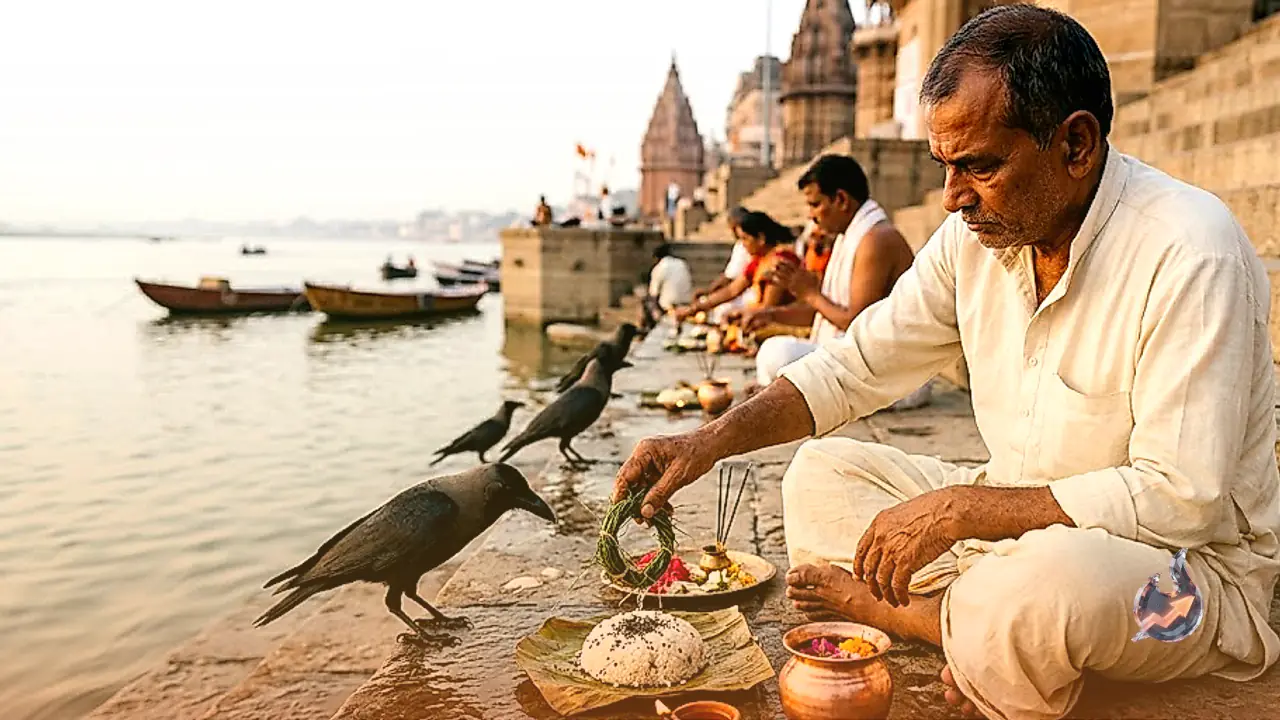
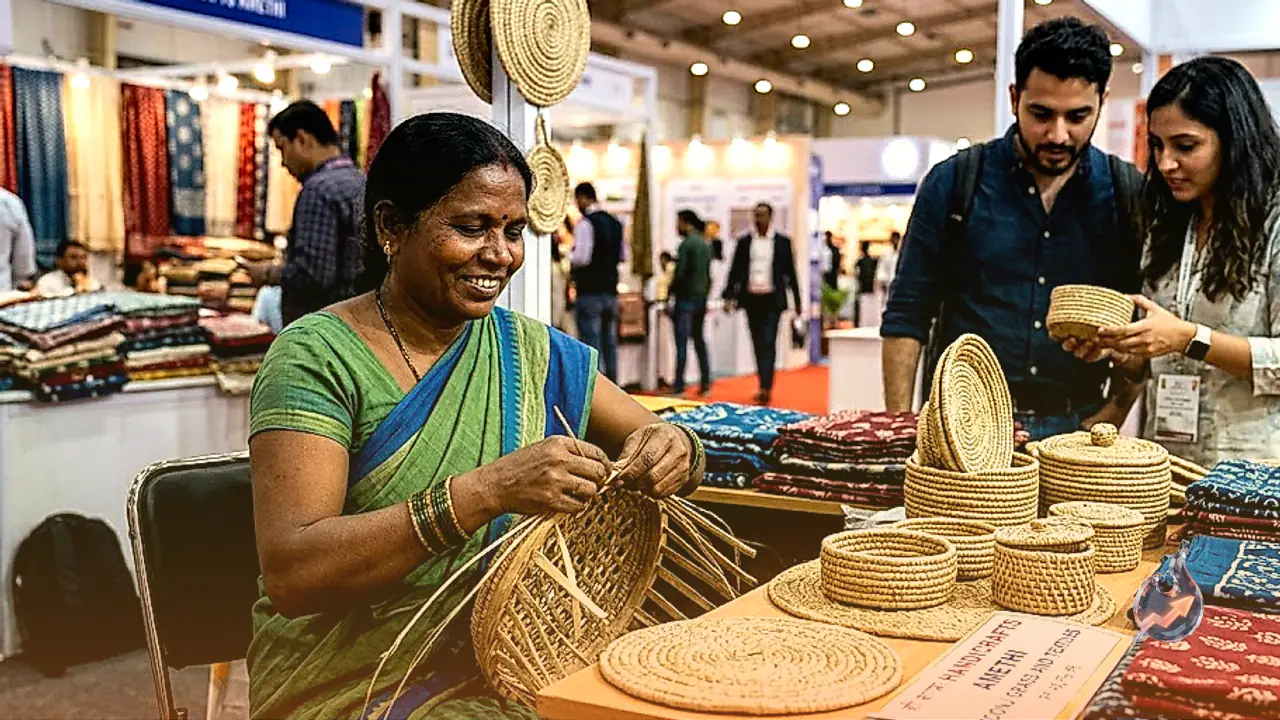



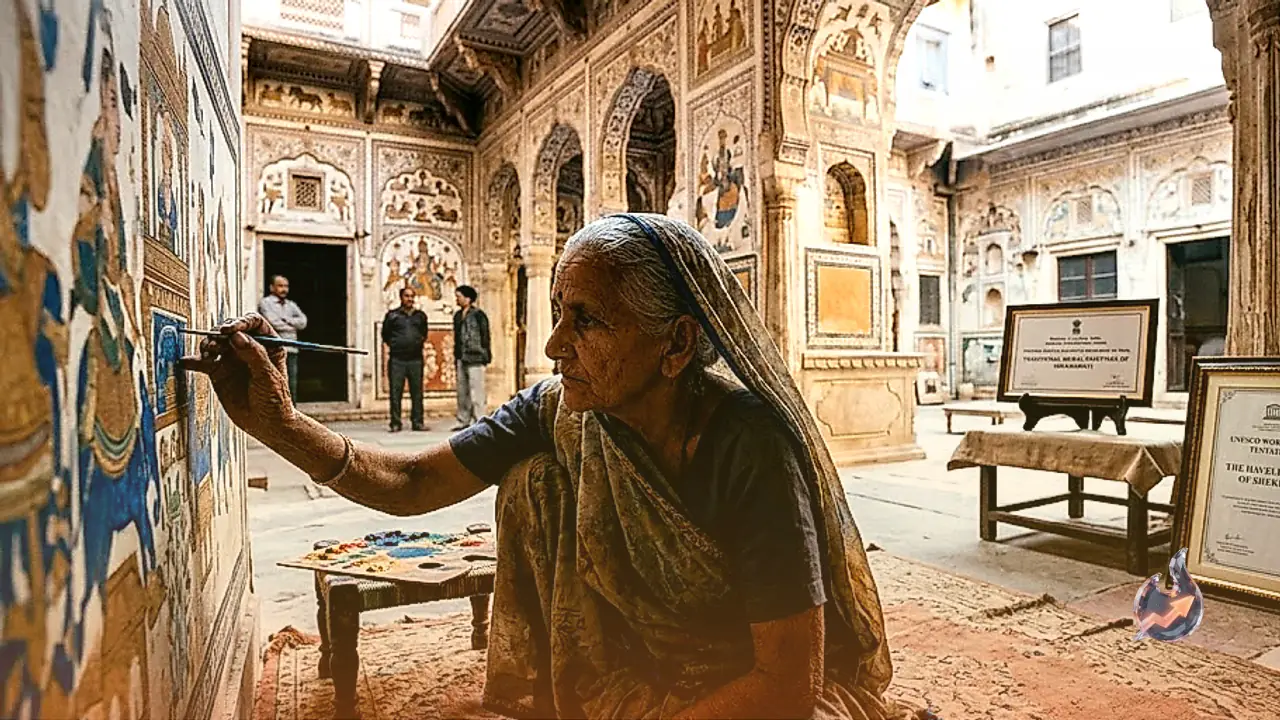














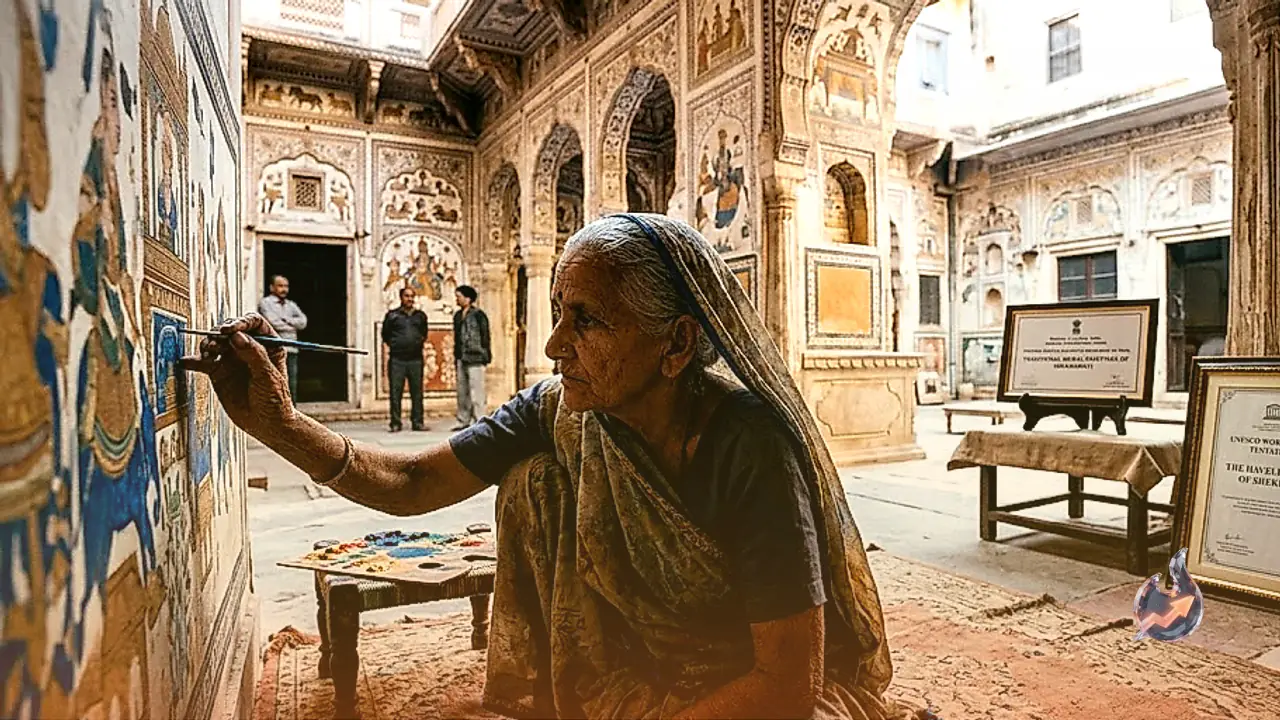

The Shekhawati region of Rajasthan is widely celebrated as an open-air art gallery, but its cultural legacy extends far beyond simple grand mansions. Its intricate wall paintings, ornate cenotaphs, ancient temples, traditional water reservoirs, imposing forts, and rich folk traditions encapsulate centuries of history within the arid landscape. Recently, this expansive historical heritage has achieved two monumental milestones that elevate its status on both national and international platforms, bringing renewed attention to its unique architecture.
Prestigious National and Global Accolades
The region's distinctive mural painting tradition has officially been included in India's national list of intangible cultural heritage. Concurrently, haveli clusters spread across fourteen historic towns have found a place on the UNESCO tentative world heritage list. These recognized locations encompass well-known hubs like Mandawa and Nawalgarh alongside Bissau, Chidawa, Mahansar, Fatehpur, Ramgarh, Churu, and Jhunjhunu. Local administrators, tourism authorities, historians, and civic committees must now collaborate to utilize this opportunity, keeping in mind that tentative listing is merely a step toward the final world heritage status, requiring rigorous conservation and management processes.
The Unique Traditions and Architecture of Bissau
The identity of Bissau extends well past its traditional mansions, as its historic structures, cenotaphs, and the Bissau Fort are renowned for their distinct architectural styles. The artwork adorning the walls of these Havelis narrates tales of contemporary society, traditional attire, daily routines, and lifestyles of bygone eras. Furthermore, the silent Ramlila of Bissau stands out as an exceptionally rare folk tradition. Instead of spoken dialogues, artists enact the epic tale through performance, gestures, and expressive body language, giving the town a truly unique cultural identity.
Gold Embellishments and Heritage Village Potential in Mahansar
Mahansar showcases the artistic prosperity of Shekhawati through its opulent gold embellishments and exceptionally detailed mural paintings. The walls of local havelis display a blend of religious themes alongside various scenes from daily life during that period. Historic landmarks such as Tolaramji ka Kamra form an integral part of this regional legacy. Developing Mahansar as a dedicated heritage village would grant visitors the opportunity to appreciate the architectural and cultural heritage of the entire settlement rather than just touring a single isolated mansion.
Water Structures and Temples of Ramgarh
In Ramgarh, the architectural appeal goes beyond traditional havelis to include temples, cenotaphs, and vital water management structures. The Ruiya Haveli, Ramgopal Poddar Cenotaph, ancient water reservoirs, and the Shani Temple give the local heritage a distinctive character. Connecting these sites through a designated heritage tourist route could significantly enhance visitor engagement. In particular, the conservation of old water reservoirs is vital, as these structures are not merely historical relics but tangible proof of traditional water conservation techniques and community management systems suited for desert environments.
Architectural Splendor in Fatehpur and Churu
Fatehpur presents a fascinating blend of traditional painting and evolving architecture. Its havelis feature traditional religious narratives alongside early depictions of railways, telephones, and the dawn of modern living. Notable attractions include the haveli restored by Nadine Le Prince and the Jagन्नाथ Singhania Haveli. Meanwhile, Churu boasts landmarks such as the Surana Haveli, Seth Kanhaiyalal Bagla Haveli, Sethani ka Johad, and the Taknet Cenotaph. Both towns hold immense potential for expanding heritage walks and promoting culture-based tourism.
Creating a Shared Heritage Circuit
Other towns across Shekhawati need to be brought onto the tourism map in the same manner as Mandawa and Nawalgarh. Instead of focusing tourism development solely around a few famous mansions, authorities should integrate Bissau's silent Ramlila, Mahansar's gold artwork, Ramgarh's temples and reservoirs, Churu's cenotaphs, and Fatehpur's murals into a unified heritage circuit. This interconnected approach will increase tourist length of stay, generating economic opportunities for local guides, handicraft artisans, food vendors, transportation providers, and small business operators.